Exploring Electric Stand Up Paddle Boards


Intro
The world of water sports has long been synonymous with adrenaline, adventure, and a keen connection to nature. With the rise of electric stand-up paddle boards (eSUPs), a new chapter has opened in this exhilarating scene. These innovative boards merge traditional paddle boarding with electric propulsion, offering enthusiasts an easier access to the water while extending their range and experience. No longer is it necessary to rely solely on paddling skill; now one can glide effortlessly across lakes and rivers with the help of a battery-powered motor.
Why has this frontier captured the attention of surfers, travelers, and fitness aficionados alike? The answer is multi-faceted. As environmental consciousness grows, so too does the demand for eco-friendly alternatives to gas-powered watercraft. Moreover, the technology behind eSUPs has advanced in leaps and bounds, making them lighter, faster, and more efficient than ever before. Coupled with their growing popularity among the surfboarding community, eSUPs serve as a bridge between seasoned paddle boarders and novices eager to dip their toes into the sport.
This comprehensive overview aims to dissect the nuances of electric stand-up paddle boards, focusing predominantly on their design, performance, and the overall user experience. Through this exploration, readers will gain a better understanding of how to choose the right board, optimize its use, and maintain it for lasting enjoyment. Let's dive into the details, starting with some essential surfing techniques.
Prelims to Electric Stand Up Paddle Boards
Electric stand up paddle boards (e-SUPs) are carving a new niche in the water sports landscape, blending traditional paddle boarding with modern technology. This combination not only captivates the interest of seasoned surfers but also opens doors for newcomers who may have found conventional paddling daunting. Imagine gliding effortlessly over the water with minimal effort, where the electric thrust helps you conserve energy while exploring hidden coves or racing against friends.
Understanding the nuances and capabilities of electric paddle boards is essential for both enthusiasts and casual users alike. These boards provide a unique opportunity to enjoy leisurely days on the water without the fatigue typically associated with longer paddle sessions. Furthermore, the ease of use makes them appealing for individuals who may not possess the upper body strength or experience that traditional paddle boarding demands.
"With an electric paddle board, urban dwellers can escape their concrete jungles, having their slice of nature without needing to build up endurance first."
The increased popularity of e-SUPs can also be attributed to their versatility. These boards often feature a variety of configurations, allowing users to choose one that fits their specific needs, whether it's for recreational cruising, racing, or yoga practices on calm waters. Some boards even come equipped with smart technology that may include GPS, speed control, or tracking features, effectively marrying the exhilarating rush of water sports with the conveniences of modern innovation.
However, as with any technology, potential users must weigh both benefits and considerations before diving into the purchase pool. Variables like battery life, weight capacity, and maintenance requirements can greatly influence the overall paddleboarding experience. As a result, it's crucial to delve into the specifics before making an investment.
In this section, we will explore the fundamental characteristics of electric stand up paddle boards and their significance in enhancing the paddle boarding experience. This exploration sets a firm foundation for understanding the subsequent sections that detail the evolution, technology, and community impact surrounding electric paddle boarding.
History of Paddle Boarding
The journey of paddle boarding is as compelling as the sport itself. Tracking its roots provides a glimpse into how a simple mode of transport transformed into the popular recreational activity it is today. Understanding the history of paddle boarding helps in appreciating its evolution, especially as electric models rise in popularity, adding a new dimension to the experience on the water.
Origin of Stand Up Paddle Boarding
Stand up paddle boarding, or SUP as many enthusiasts know it, didn't spring up overnight. Its origins can be traced back to ancient cultures, notably the Polynesians, who used similar methods for fishing and transportation. Small groups of these early mariners expertly balanced on wooden craft, navigating the vast waters of the Pacific Ocean. This laid the groundwork for what we now recognize as paddle boarding.
In a different scenario, in the mid-20th century, surf instructors in Hawaii adopted this technique, using long boards and paddles to maintain a better vantage point over the waves and to steer away from hazards. This adaptation was not just practical but also a means of fun. It also connected surfers with the environment in a unique manner, fostering a deeper relationship with the art of riding waves.
The sheer charm and accessibility of paddle boarding make it stand out. Unlike traditional surfing, which had a steeper learning curve, SUP allowed novices to hop on with ease. Families and outdoor explorers, too, found their niche in this emerging trend. You could enjoy a leisurely paddle on a quiet lake or join friends for a sunset stroll along the coast, all while feeling the gentle embrace of the water.
Evolution to Electric Models
The shift from traditional paddle boarding to electric models marks a revolutionary step in the evolution of the sport. Slowly but surely, innovations started entering the market, aligning with technological advancements. Electric stand up paddle boards emerged to cater to enthusiasts seeking extended adventures on the water without the restraint of upper-body fatigue. Imagine gliding over a shimmering lake with hardly any effort, enjoying the sights and sounds of nature - that’s what these models offer.
Manufacturers began developing boards powered by rechargeable batteries, melding the classical elements of a beloved pastime with cutting-edge technology. The electric motors showed promise in enhancing speed, making it easier to cover larger distances. This meant a whole new realm of accessibility opened up, as you didn't have to be a fitness guru to enjoy paddle boarding anymore.
Consequently, the integration of electric technology has cultivated an entirely new community. Paddle boarding no longer remains the exclusive domain of the athletic. Weekend warriors, families, and adventure-seekers now join in more easily, contributing to the growth of the paddle boarding community as a whole. Whether it’s a morning paddle with friends or taking the kids out for their first water adventure, electric paddle boards have undoubtedly made an impact.
"The evolution of paddle boarding, especially with electric models, has broadened the horizons for enthusiasts, merging outdoor fun with technological innovation."
As technology continues to improve, who knows what the next step in paddle boarding’s evolution will look like? Each wave of change seems to usher in more possibilities, expanding the allure of paddle boarding for everyone and elevating the overall experience.
Technological Advancements in Electric Paddle Boarding
The realm of electric stand up paddle boards has been transformed by a wave of technological advancements. These changes not only enhance the user experience but also make paddle boarding more accessible and enjoyable for enthusiasts at every skill level. By integrating cutting-edge features, manufacturers have created boards that meet various demands—from casual riders seeking leisurely excursions to hardcore adventurers tackling more challenging terrains.
One of the key benefits of these innovations is the ability to customize the paddling experience. Riders can now select from a variety of power settings that allow them to control speed and efficiency. This flexibility is important because it caters to different paddling styles and preferences. Essentially, whether one is flying across open water or casually gliding along a serene beach, electric systems assist in tailoring the experience. Moreover, these advancements are crucial in promoting environmental mindfulness since they often rely on electric power rather than gas or other fossil fuels, reducing carbon emissions.
Understanding Electric Systems
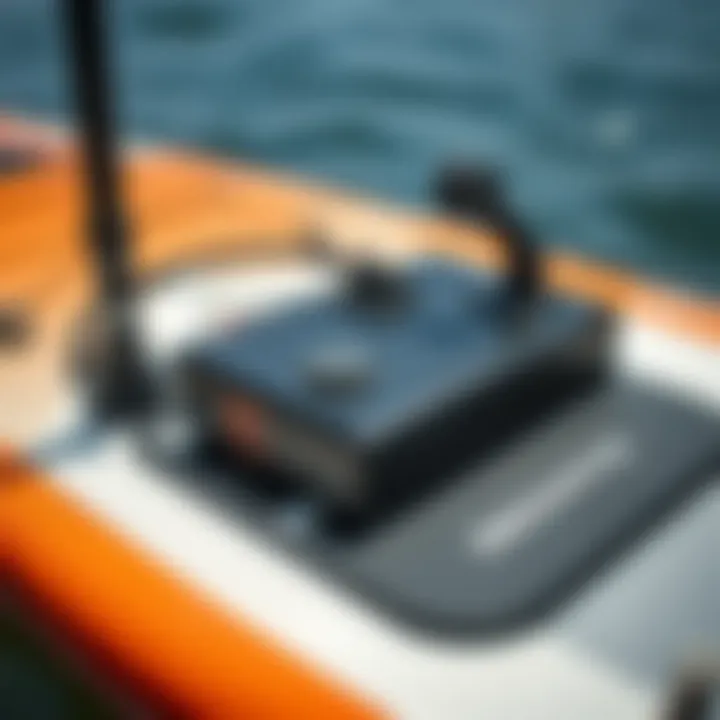
Electric systems in paddle boards typically comprise a motor, a battery, and a control mechanism. The motor is the heart of the setup, propelling the board forward based on the rider's inputs. Most motors are brushless for efficiency and longevity, ensuring a quieter experience on the water.
The control mechanism often features a handheld remote, allowing users to adjust speed and throttle effortlessly. Some boards even include smart technology, enabling connectivity to smartphones for enhanced tracking of distance, speed, and battery life.
A user-friendly interface can make a significant difference in the experience, especially for those new to electric paddle boarding. Understanding how to operate these systems helps users feel more confident and comfortable on the water.
Battery Types and Durability
Battery technology is a focal point in the performance and viability of electric paddle boards. Currently, lithium-ion batteries are the most common. They are favored for their light weight, high energy capacity, and comparatively long lifespan. However, it's not just about the type of battery—how it's maintained plays a crucial role too.
- Regular charging is essential, as letting a battery fall to extremely low levels can shorten its lifespan.
- Storage when not in use is also important. It’s best to keep the battery in a cool, dry place, avoiding extreme temperatures.
- Replacement schedules should be monitored. Most lithium-ion batteries will last between 2-5 years, but noticing any significant decrease in performance indicates it may be time for a change.
Long-lasting batteries promote confidence during excursions since it minimizes worries about running out of power in the middle of water. Users must consider the capacity of their battery, gauging it against their expected usage to avoid unexpected interruptions.
Performance Metrics
Performance metrics are a vital aspect of assessing electric paddle boards. Several factors contribute to how a board performs in real-world conditions, and understanding these can lead to a more rewarding experience.
- Speed: Depending on the model, electric paddle boards can achieve speeds upwards of 20 mph, making them suitable for both leisurely rides and more competitive settings.
- Range: This indicates how far the board can go on a single charge. Quality boards can often travel between 10 to 15 miles, but the exact range depends on usage, weight load, and battery condition.
- Weight Capacity: Understanding the weight limit is crucial. Each board has a different capacity, so users need to ensure they fall within the parameters to maintain optimal performance.
- Maneuverability: This refers to how well a board can turn and navigate in different water conditions. Boards designed for agility might sacrifice speed, while others prioritize stability.
Performance Characteristics
Performance characteristics are key elements that can make or break your experience on an electric stand up paddle board. They dictate not only how an individual interacts with the board but also influence safety, enjoyment, and overall adaptability to various water conditions. In this section, we delve into two crucial aspects of performance: speed and maneuverability, as well as stability on water. These features not only enhance performance but also contribute significantly to the rider's confidence and, ultimately, enjoyment on the water.
Speed and Maneuverability
Speed is not just a thrill; it’s an essential aspect of paddle boarding, especially when considering how electric models function. Electric stand up paddle boards, unlike their traditional counterparts, often come equipped with powerful motors that allow for quicker movement across the water. For someone looking to explore new areas or cover more distance in a shorter amount of time, this is a significant boon. A paddle board that can achieve higher speeds without compromising on control enhances the rider's experience, making excursions feel less like a chore and more like an exciting adventure.
Maneuverability, on the other hand, is about precision and control. Imagine carving through the water like a sleek dolphin. The ability to make sharp turns, navigate tight spots, or avoid obstacles can transform a casual paddle into an agile pursuit. Boards designed with fins that adaptively respond to electric propulsion tend to excel in this area. Users often mention how crucial this feature is when paddling around crowded lakes or in surf. All these factors make it essential for both beginners and seasoned paddlers to understand the interplay between speed and maneuverability while choosing the right board.
- Enhanced Speed: With electric assistance, paddlers can glide effortlessly, ideal for long-distance travels.
- Improved Control: Advanced designs allow for fine-tuned navigation, giving riders the ability to enjoy their surroundings without fear.
- Training Edge: For fitness professionals or coaches, boards that offer better speed and maneuverability can be used as tools to train their students effectively.
Stability on Water
Stability is a fundamental characteristic when it comes to paddle boarding, regardless of whether the board is powered by electric means or propelled by muscle. The right balance can keep riders feeling secure, especially when venturing into rougher waters. Factors such as width and hull shape play pivotal roles in a board's ability to maintain stability. Wider boards tend to offer better balance, making them a popular choice among newcomers who may be apprehensive about tipping over.
An electric paddle board that offers an appealing design while providing solid stability can boost a rider’s confidence tremendously, allowing them to focus on enjoying the experience rather than worrying about their footing. Some boards come with integrated design features that enhance stability through lower gravity centers or specialized hull shapes designed to cut through waves.
To sum up, understanding performance characteristics is crucial for anyone looking to invest in or actively use electric stand up paddle boards. They are not just numbers; they represent the quality of the experience you can expect. The thrill of moving with speed, enjoying maneuverability, and feeling confident with stability makes all the difference between an enjoyable outing and a frustrating one.
"Choosing the right paddle board affects not just your performance but can ignite a passion for adventure on the water."
In the pursuit of the best electric stand up paddle boarding experience, evaluating your performance needs is not something to overlook. With the right knowledge, you are well on your way to making an informed choice that suits your adventures on the vast blue waters.
User Experience: A Comparative Study
When it comes to electric stand up paddle boards (eSUPs), user experience can make or break one’s time on the water. It's not just about standing on a board; it’s about how those choises blend to create an overall adventure. Understanding the distinctions between beginners and experienced users, as well as the preferences for group activities versus solo voyages, is crucial for anyone looking to navigate the waters with an electric paddle board.
Beginners vs. Experienced Users
Users at different levels of expertise often approach electric paddle boarding with varying goals in mind. For beginners, the experience may be primarily focused on mastering balance and getting a feel for the water. Often, they might feel a bit anxious, wondering if they will topple over into the water. Conversely, experienced users usually seek out more thrill and technique, perhaps tackling waves or navigating through rougher waters. This contrast shapes the kind of eSUP that one might choose.
Beginners should look for boards that emphasize stability, like wider models with plush grips to help them stay upright. Models like the Aqua Marina Breeze or Ancheer Inflatable Paddle Board might catch their attention due to their solid design intended for novices. On the other hand, seasoned paddlers may prefer options with faster motors and lighter designs for improved handling, such as the Red Paddle Co. Voyager or Thurso Surf boards.
It's also important to consider how beginners need more instructional support, possibly from apps or community resources, while experienced users might benefit from features that facilitate advanced paddling techniques, like performance metrics tracked through integrated smart technology.
Group Activities and Solo Adventures
The format of the experience also differs significantly depending on whether one is going solo or participating in a group activity. For group adventures, eSUPs that prioritize stability and user-friendliness are generally favored. Notably, boards allowing for easy maneuvering and quick adjustments are essential when you have a mixed crowd with various skill levels—maybe some paddlers are experienced, while others are just learning the ropes.
A well-suited board for groups might be the iRocker All Around 11’, which has enough space for people to balance comfortably yet responds well to the whims of the group.
On the flip side, those who prefer solitary exploration might gravitate towards boards that promise speed and agility. The electric motors enable paddlers to cover greater distances without feeling fatigued, essential for long, solo adventures on lakes or rivers. For this purpose, boards like the Gili Adventure Inflatable SUP can be appealing due to their lightness and performance capabilities.
"Whether it’s learning the basics in a supportive group or embarking on serene solo journeys, the user experience in electric paddle boarding can be defined by the right board selection to match skill and activity type."
In both scenarios, user experience is not merely about the choice of board but how the technology and communal aspects come together to ensure enjoyment and safety on the water. It’s in striking this balance that the modern-day paddle boarding adventure thrives, offering something for everyone.
By taking into account professional athletes’ input and everyday paddlers' testimonials, one can truly appreciate how electric stand up paddle boards cater to diverse user experiences, enhancing their joy of navigating various bodies of water.
Choosing the Right Electric Paddle Board
Choosing the right electric paddle board can mean the difference between a fantastic day out on the water and a frustrating experience. With numerous options available today, it’s essential to narrow down your choices based on personal preferences and specific needs. Think of it as finding the perfect pair of shoes; what works for one person may not fit another in the same way. And much like that elusive pair, the right paddle board can enhance your enjoyment and performance.
One important factor to consider is the board's intended use. Are you planning to leisurely cruise through calm waters, or do you envision tackling swift river currents? This choice will significantly influence the board's size and shape, which ultimately dictate its stability, speed, and maneuverability. Electric stand-up paddle boards come in various shapes tailored for specific conditions; knowing what fits your style can help you make an informed decision.
Moreover, a paddle board's weight capacity is another crucial aspect. If you intend to bring gear for fishing, photography, or a kid along for the ride, ensure the board can handle that extra weight. A board with a low weight limit may lead to instability and affect your overall experience.
In this section, we’ll delve deeper into two key considerations: sizing and dimensions, as well as navigating the endless array of features and add-ons available on electric paddle boards.
Environmental Considerations
Electric stand up paddle boards (e-SUPs) are becoming increasingly popular among water sports enthusiasts. However, with this growth comes the responsibility of ensuring that our activities respect and protect the environment. Delving into the environmental considerations surrounding e-SUPs can provide insight into how we can enjoy our water adventures while minimizing our ecological footprint.
Sustainable Production Practices
When it comes to e-SUPs, one of the first areas of focus is the sustainability of the materials used in the boards. Many manufacturers are taking steps to reduce their carbon footprint by sourcing eco-friendly materials. These might include recyclable plastics and sustainably harvested wood. For instance, companies like BIC Sport are known for using advanced composite materials that are lighter and stronger, reducing energy consumption during production and transport.
Moreover, practices that create less waste during production are also vital. Crafting boards that are built to last not only enhances consumer satisfaction but also diminishes the number of boards that end up in landfills. By investing in durable designs, manufacturers can promote longevity over the fast-fashion mentality that pervades many consumer markets today.
Involving local communities in the production process can also serve the dual purpose of boosting local economies and preserving cultural practices related to water sports. This local touch not only brings authenticity to the boards themselves but also minimizes transportation emissions, reinforcing a commitment to sustainability.
Minimizing Impact on Marine Life
Another vital aspect to consider when discussing the environmental impact of e-SUPs is the effect on marine ecosystems. When paddling on water, there’s a risk of disturbing local wildlife, particularly in sensitive habitats. Here are some practical steps that e-SUP enthusiasts can take to lessen their impact on marine life:
- Stay Away from Breeding Areas: Avoid paddling in regions known for fish breeding or where larger animals congregate. This helps protect the vulnerable life stages of marine organisms.
- Reduce Noise Pollution: E-SUPs can be quieter than traditional paddle boards; however, it's important to remain aware of noise levels when operating the motor. Keeping the volume down can help prevent distress to aquatic animals that rely on sound for communication.
- Choose Designated Areas: Select waters that are not only popular for paddling but also are designed to handle recreational activities. Many waterways have specific zones where human activity is encouraged; using these areas helps preserve untouched ecosystems.
In summary, understanding and implementing environmentally friendly practices in the paddle boarding community is crucial. By encouraging sustainable production methods and taking measures to protect marine life, we can do our part in conserving the beautiful waterways we enjoy. Doing so not only preserves these ecosystems for future enthusiasts but also enhances our present experience on the water.
"It's our responsibility to ensure that the waters we paddle today remain vibrant for generations to come."
For further reading on sustainability initiatives in water sports, check out resources from organizations like Greenpeace and Surfrider Foundation. They regularly provide insights into how recreational activities can align with environmentally friendly practices.
Maintenance and Care for Electric Paddle Boards
Taking care of electric stand up paddle boards is paramount for maximizing their lifespan and maintaining top-notch performance. Unlike traditional boards, these electric models come equipped with sophisticated technology that requires a bit more attention. Proper maintenance safeguards the intricate electronics and enhances the user's overall experience on the water.
Routine checks and cleaning not only ensure your gear operates smoothly but also help avoid costly repairs down the line. For outdoor enthusiasts who value time spent on the water over repair shop visits, understanding the ins and outs of paddle board upkeep is essential.
Regular Cleaning Protocols
Keeping your electric paddle board clean is more than just aesthetics. Saltwater, sand, and dirt can cause wear and tear over time, leading to reduced functionality. Here are some cleaning habits to keep in mind:
- Rinse After Use: Always rinse your board with fresh water immediately after use, especially if you've been in saltwater. This simple action prevents the buildup of salt and grime that can corrode components.
- Gentle Scrubbing: For stubborn dirt or stains, use a soft sponge or cloth with mild soap. Avoid harsh chemicals as they might damage the board's surface or the electrical parts.
- Inspect Hardware Regularly: Regularly check screws, joints, and other hardware for rust or loosening. A well-secured board is a safe board.
- Dry Thoroughly: After rinsing, ensure you dry your board completely before storing it. Wetness can lead to mold growth, especially in the inflatable types.
An easy way to remember these tips is to create a checklist after each outing, creating a habit that will keep your equipment in great shape.
Battery Care and Lifespan
The battery is at the heart of an electric paddle board, powering everything from propulsion to integrated lighting systems. Proper care can significantly extend its lifespan and performance. Here’s a guide on battery maintenance:
- Charging Routine: Charge your battery fully after each use, but avoid letting it remain plugged in for extended periods. Overcharging can degrade battery health.
- Temperature Awareness: Store your battery in a cool, dry place. Extreme temperatures, either from heat or cold, can negatively affect battery longevity.
- Regular Check-ups: Keep an eye on the battery's performance. If you notice a decrease in runtime, check for debris in the connectors or possible damage.
- Storage Tips: If you're not using your paddle board for an extended time, store the battery at a charge level between 30% and 50%. This practice helps in maintaining the battery's health during long periods of non-use.
"Regular care and attention to the battery ensures you can paddle longer and enjoy more adventures without unexpected interruptions."
In summation, proactive maintenance and care play a vital role in the longevity and enjoyment of electric paddle boards. By following these steps—cleaning regularly and taking specific care of the battery—users can look forward to many happy hours gliding across the water with their electric boards. To explore more about paddle board care, check out resources like Wikipedia or forums on Reddit.
The Community: Connecting Paddle Board Enthusiasts
Paddle boarding is not just about gliding over water; it’s a lifestyle. The community surrounding electric stand up paddle boards (SUPs) plays a crucial role in fostering connections, sharing knowledge, and enhancing the overall experience. Whether you are a novice or a seasoned pro, engaging with fellow enthusiasts can transform your journey on the water into a more fulfilling pursuit.
Being part of a community offers several benefits. For one, it serves as a platform for sharing tips, techniques, and safety protocols that can be invaluable for paddlers at every level. It’s also a space where individuals can celebrate achievements, whether it’s mastering a new maneuver or competing in events. Furthermore, the collective encouragement helps to propel individuals forward in their paddle boarding journey.
- Networking Opportunities: Folks who paddle board often share other interests, thus presenting chances to make friends beyond just water sports.
- Learning Resources: Members of the community often share valuable experiences, like their favorite spots and ideal gear, which can save you time in research when you're just getting started.
- Motivation and Accountability: Having a group can provide the nudge you need to stay active and engaged with the sport.
In summary, the community of paddle board enthusiasts enriches the sport, creating a support system that enhances both the social and practical aspects of paddle boarding.


Online Forums and Social Media Groups
In today's digital age, online forums and social media groups have become essential platforms for paddle board enthusiasts. These communities provide a space for individuals to connect, ask questions, and share experiences.
Reddit, for instance, hosts several threads dedicated to paddle boarding where users discuss gear, share their experiences, and even post questions about their electric SUP adventures. It’s a lively place where one can find solidarity among those who share the same passions. Many users appreciate the anonymity—and sometimes humor—that comes with engaging in these forums.
Benefits of Online Forums and Social Media Groups:
- Immediate Feedback: Post a query and watch the responses pour in; there’s often a wealth of knowledge just waiting to be tapped into.
- Accessibility: No matter where you are, you can connect with the global community of paddlers.
- Resource Sharing: Members frequently share links to articles, videos, and tutorials that can help others, ensuring that everyone has access to essential information.
Events and Competitions
Events and competitions are where the true spirit of paddle boarding shines. They serve as a gathering spot for enthusiasts to showcase their skills, meet like-minded individuals, and foster camaraderie.
From local meetups to national competitions, each event offers its own flavor. Many paddle boarders find joy in competing, whether they are striving for a personal best or looking to snag a trophy. These gatherings can help users find new friends and mentors, plus they often come with opportunities to learn from more experienced paddlers and industry professionals.
Engaging in events also fosters a sense of pride within the community. Taking part in charity races, for example, allows paddlers to contribute positively to their surroundings, raising awareness for causes they care about while doing what they love—paddle boarding.
"The relationships formed during events often last a lifetime, as shared experiences on the water create bonds that transcend the sport."
Future Trends in Paddle Boarding Technology
In the rapidly evolving world of water sports, staying ahead of the curve is essential for enthusiasts, whether they are casual paddlers or hardcore adventurers. The future trends in paddle boarding technology are not just about making boards sleeker or faster but encompass a wider array of innovations that promise to enhance the overall experience. As electric stand-up paddle boards grow in popularity, understanding these emerging trends is vital for anyone looking to invest in their next ride.
The intersection of technology and paddle boarding warrants close scrutiny. Innovations driving the industry are not only reshaping how we interact with watercraft but also defining new standards for performance, safety, and accessibility. Here’s a closer look at some of the key developments that are on the horizon.
Innovations on the Horizon
- Enhanced Battery Technologies: Future paddle boards will likely see significant improvements in battery technologies, offering enhanced range and shortened charging times. As players in the industry explore solid-state batteries, the promise of lighter, more compact energy storage could vastly improve paddle board performance and sustainability.
- Smart Features: Imagine paddle boards equipped with built-in GPS and fitness trackers that can monitor your speed, distance traveled, and even real-time weather updates. These smart boards are set to launch a new era of connected water sports, allowing users to gather essential data at their fingertips.
- Hybrid Designs: We are entering an era where traditional paddle boards and electric versions could merge into hybrid designs. These boards can operate under both manual and electric power, offering users the best of both worlds, making them versatile for various water conditions and paddling styles.
- Eco-Friendly Materials: The focus on sustainability in paddle boarding is gaining traction. Innovations in biodegradable and recyclable materials could lead to the production of eco-friendly boards that do not merely retain performance but also promote environmental responsibility.
"The paddle boarding community is evolving; we have a responsibility to ensure that our advancements uphold the integrity of our waters." - A noted paddle board engineer.
These innovations represent just the tip of the iceberg as we look to the future. As technology melds with the age-old joy of paddling, users can expect a more tailored, engaging experience that meets diverse needs.
The Role of AI and Smart Technology
Artificial Intelligence is creeping into more leisurely outlets, paddle boarding included. With advancements in AI, paddle boarding is poised to become even more adaptive to user preferences.
- Predictive Analytics: Utilizing data to predict weather changes, optimal paddle times, and even water conditions could transform user experiences. AI-powered apps can suggest when to hit the water or which routes are safest, enhancing overall safety.
- Personalization: Paddle boards integrated with AI can learn user preferences, from optimal speeds to ideal battery usage, leading to a more customized ride.
- Automation: Future boards may offer automated steering and balanced adjustments. This becomes especially useful for beginners still figuring out their footing, essentially allowing them to ride the currents without risk of toppling over.
- Training Aids: Smart boards can assist trainers in monitoring performance metrics in real time, such as heart rates and paddling efficiency. This capability can benefit not just competitive paddlers but also fitness enthusiasts looking for productive workouts.
The marriage of paddle boarding with cutting-edge technology paints a vibrant picture of what could be possible going forward. With these advancements, riders can look forward to improved safety, sustainability, and enjoyment, making their paddle boarding endeavors more thrilling.
As interest in electric paddle boarding continues to swell, aligning with these trends not only makes each session more enjoyable but also positions participants as forward-thinking water enthusiasts aware of the possibilities that lie ahead.
Diving deeper into technology doesn't just prepare paddlers for the future; it enriches the entire water sports experience, ensuring access and enjoyment for generations to come.
Closure: Embracing Electric Paddle Boards
Electric stand up paddle boards mark a significant shift in the way we experience water sports. With their innovative designs and technological enhancements, they offer more than just a means to glide over water. They bring accessibility, a sense of adventure, and a new dimension to the paddle boarding community.
One of the primary benefits of embracing electric paddle boards is their ability to empower all types of users. For beginners, these boards offer a supportive learning curve, allowing new paddlers to navigate waterways with ease and confidence. For more experienced riders, the electric assist provides the opportunity to explore longer distances without the fatigue that generally comes with traditional paddling. People can find their flow on the water, regardless of skill level or fitness background.
Many users appreciate the freedom that electric paddle boards confer. Imagine speeding across a calm lake at dawn, or cruising along the coast without feeling the strain of every stroke. This speed opens up a world of possibilities, from peaceful explorations to active fitness pursuits. Moreover, the convenience of the electric motor enables adventurers to reach secluded spots that are often overlooked, fostering a deeper connection with nature.
Environmental Considerations also play a pivotal role in the conversation around electric paddle boards. As enthusiasts become increasingly aware of their impact on marine ecosystems, many are turning to electric options not just for performance, but also for sustainability. Electric boards are often quieter than their traditional counterparts, minimizing disturbance to wildlife. Additional =sustainable production practices are emerging, focused on reducing the carbon footprint during the manufacturing process.
When considering the investment in an electric paddle board, it's crucial to evaluate factors like battery life, weight, and ease of transport. These boards are not just a pretty face; they come equipped with advanced tech, such as built-in GPS, customizable settings, and the ability to connect with smartphone apps. Such features provide a more enriched user experience, blending tech with recreation seamlessly.
Although there are many positives to electric paddle boards, it's essential to recognize their limitations. Learning how to balance electrical capabilities with the traditional paddling experience is an ongoing process for many users. Some paddle boarders argue that the essence of paddle boarding can be lost when one leans too heavily on technological assistance. Therefore, as we embrace these boards, it's equally important to maintain the core values of the sport, enjoying the connection with water and the serenity it offers.
“In adopting electric paddle boards, we are not just embracing innovation; we are reshaping our relationship with water sports and nature.”
Paddle boarding enthusiasts, travelers, and weekend warriors alike should keep an open mind as the trend towards electric boards continues to evolve. With every new model hitting the market, the future of paddle boarding seems not only bright, but also inclusive, catering to a broader audience that includes casual athletes and serious explorers.
Recommended Reading
Diving into the pages of well-curated literature can provide a lens into paddle boarding's multifaceted world. A few titles that stand out include:
- "The Complete Guide to Stand Up Paddle Boarding": This comprehensive guide elucidates the basic principles of paddle boarding while transitioning smoothly into advanced techniques and tips specifically for electric boards.
- "Paddle Board Yoga: A Guide for Surfers": Focusing on the yoga aspect of paddle boarding, this book enhances the connection between balance, mindfulness, and paddle boarding on electric boards.
- "Sustainable Water Sports: Navigating Our Future": It delves into the intersection of technology and sustainability, providing insights on how electric paddle boards contribute toward eco-friendly practices.
- "Secrets of Expert Paddle Boarders: Techniques and Tricks": An engaging read packed with personal anecdotes and practical exercises that can inspire new paddlers to adopt innovative methods.
These books, available on platforms like Amazon or Barnes & Noble, are key for anyone keen on not only improving skills but also on understanding the cultural implications of their paddling adventures.
Online Tutorials and Videos
Visual learning tends to stick better for many, making online videos an invaluable resource. Platforms like YouTube have a myriad of channels dedicated to electric stand up paddle boards. Here are some suggestions to get started:
- "Epic Paddleboarding": This channel offers instructional content that covers everything from basic maneuvers to advanced electric paddle techniques.
- "SUPBoarder": They share reviews, tutorials, and even comparative analysis between electric paddle boards and other types. It's a treasure trove if you're considering investing in a board.
- "Yoga on Water": Perfect for those interested in combining yoga with paddle boarding, this channel provides glimpses into serene sessions on electric boards, helping you visualize how to integrate these practices.
- "Electric Paddle Board Reviews": Stay updated with the latest electric boards through comprehensive reviews that highlight pros and cons, helping you make an informed purchase decision.
A personal tip is to join live webinars or Q&A sessions hosted by paddle boarding experts. The interaction can elevate your learning experience tremendously and bring real-life scenarios into the mix.
"Knowledge is of no value unless you put it into practice."
- Unknown
Gathering insights from these resources will contribute to a more fulfilling engagement with paddle boarding as a whole, bridging the gap between theory and practical application while keeping safety and enjoyment at the forefront.
Common Questionss about Electric Stand Up Paddle Boards
Electric stand up paddle boards have gained substantial traction in the watersport community. Given their unique features and the increasing number of options available, it's only natural for enthusiasts and newcomers to have a plethora of questions. Establishing a solid understanding around FAQs is essential for anyone looking to dive into this new wave of paddle boarding. This section aims to illuminate common queries and shed light on misconceptions surrounding electric paddle boards. Additionally, it offers crucial tips for beginners that can significantly enhance their experience.
Common Misconceptions
When it comes to electric paddle boards, several misunderstandings can cloud one's perception of the sport. Here are some frequent misconceptions:
- Electric Boards Are Just for Laziness: Many believe that using an electric paddle board means you're not putting in the effort. In reality, these boards can complement physical exercise. You can still engage your core and paddle manually when desired.
- They Are Dangerous: Some newcomers think electric boards pose higher safety risks. While they do require caution, with the right practices, they can be just as safe as traditional paddle boards.
- Limited Battery Life and Range: There’s a prevailing idea that electric paddle boards can’t go far. However, various models on the market offer impressive ranges, letting you explore beyond your local bay.
- Too Heavy to Handle: Often, potential users worry about weight. Thankfully, manufacturers have made advances in material technology, resulting in lighter boards that are easier to maneuver.
- Pricey and Not Worth It: It’s understandable to assume that any electric appliance is going to break the bank. Yet, as the market grows, more affordable options become available, providing value without skimping on quality.


Navigating through these misconceptions can pave the way for a more informed experience, allowing users to reap the full benefits of electric paddle boards.
Safety Tips for Beginners
For those just starting on electric paddle boards, it’s imperative to keep safety top of mind. Here are essential safety tips to ensure a safe and enjoyable experience:
- Wear a Personal Flotation Device (PFD): Always have a life jacket handy. Many regions require this by law, but regardless, it adds an extra layer of security.
- Check Your Equipment: Before heading out, inspect the paddle board, battery, and other gear. Ensuring that everything is in good working order can prevent trouble down the line.
- Stay Aware of Weather Conditions: Wind can significantly impact your control over the board. Examine forecasts, and if winds are too strong, postpone your trip.
- Know Your Surroundings: Be familiar with the waterways you plan to paddle. Watch for obstacles, such as rocks or other boats, that may pose a hazard.
- Paddle with a Friend: Have a buddy with you. Not only is it more fun, but it’s safer too. In case of any mishaps, having someone can make a big difference.
- Start in Calm Waters: When you first hop on an electric paddle board, choose a calm and familiar body of water to practice. Lakes might be a better option than choppy seas.
- Limit Distractions: Stay focused when out on the board. Avoid using your phone or navigation while paddling to minimize accidents.
- Look for any signs of wear or damage on the board.
- Make sure the battery is charged to avoid unexpected shutdowns.
"Safety first, adventure second."
Implementing these safety measures can ease the transition for beginners and make their journey into electric paddle boarding smoother and more enjoyable. Understanding common questions and safety precautions is vital for newcomers and seasoned paddlers alike.
User Testimonials and Experiences
When discussing electric stand up paddle boards, user testimonials serve as a valuable barometer for gauging performance and satisfaction. Individual experiences can shed light on various facets of these modern watercraft, helping potential buyers make informed decisions. Hearing directly from those who have paddled with these electric wonders provides insight that spec sheets simply cannot offer.
The benefits of understanding user testimonials in the context of electric paddle boards are numerous. They often reveal how these boards perform in real-world conditions, challenging the manufacturer's claims. Moreover, they highlight aspects such as ease of use, reliability, and customer support, which can sometimes be overlooked in product descriptions. By engaging with user experiences, prospective buyers can better navigat the vibrant marketplace of electric paddle boards.
Positive Feedback
Many users have raved about the convenience and efficiency electric paddle boards bring to the table. A frequent comment is about the feeling of gliding effortlessly across the water, thanks to the powerful propulsion systems. This effortless glide allows for extended paddling excursions without the fatigue that typically comes with manual paddling.
Here are some aspects often mentioned in positive reviews:
- Quiet Operation: Users appreciate the near-silent motors, which enhance the serene experience of paddling.
- Long Battery Life: Enthusiasts note the impressive battery durations which allow for longer outings, even on stretchereous waters.
- Robust Construction: Many testimonials commend the solid build quality, with boards resisting wear and tear over time.
- Versatile Use: Previous buyers enjoy the myriad applications, whether for fitness, leisure, or exploring remote locations.
One user said, > "The first time I took out my electric paddle board, I felt like I was gliding on a magic carpet. The battery lasted longer than I expected, and I could explore hidden coves without breaking a sweat."
This captures the essence of positive feedback, combining enjoyment with satisfaction regarding performance.
Constructive Criticism
While the feedback can be overwhelmingly positive, it is equally important to consider the constructive criticism from users. Understanding the downsides helps create a balanced overview of electric stand up paddle boards. Some common concerns raised by users include:
- Weight Issues: Users often mention the heft of electric boards compared to traditional models, which can make transport cumbersome.
- Maintenance Requirements: Some paddlers note that keeping the electronics in good working order requires regular checks, which can be a hassle.
- Price Tag: Many reviews point out that while these boards offer great features, they come with a premium price. This financial factor cannot be dismissed, especially for newcomers to the sport.
- Limited Availability of Parts: A few users have expressed frustration over the lack of readily available replacement parts, making repairs necessary than it should.
One user reflected, "I love my electric paddle board, but it's hefty and tricky to get onto my car by myself. Plus, I worry about how much upkeep will be needed down the road."
This type of feedback is crucial because it not only imparts knowledge but helps manufacturers address deficiencies in their designs.
In summary, reviewing user testimonials offers both validation and caution for potential buyers of electric stand-up paddle boards. By weighing both positive and critical feedback, newcomers and seasoned paddlers alike can navigate their choices more effectively, ensuring a rewarding paddling experience. For additional opinions and discussions, visit forums like Reddit and check out groups on Facebook dedicated to paddle boarding.
Comparative Analysis with Traditional Paddle Boards
When considering the world of paddle boards, both traditional and electric stand up paddle boards (eSUPs) offer unique experiences. Understanding the differences between these types is crucial for those looking to maximize their time on the water. A comprehensive comparison can help enthusiasts decide which is best suited for their lifestyle, preferences, and intended use.
Pros and Cons
In the realm of paddle boarding, each type has its strengths and shortcomings. Here’s a deeper dive into what sets them apart:
Pros of Electric Paddle Boards:
- Ease of Use: With an electric motor, paddlers can cover more significant distances without exhausting themselves, making it accessible for novices and casual users.
- Scooting Upwind: Facing headwinds is less of a challenge when there’s a motor to assist, allowing you to maintain speed without laboring hard.
- Longer Outings: The ability to control speed boosts your capacity to explore further without tiring quickly.
Cons of Electric Paddle Boards:
- Weight: Generally, eSUPs are heavier due to batteries and motors. Maneuvering on land can become cumbersome, especially if you're transporting them solo.
- Dependency on Battery: Running out of battery can leave you stranded. Knowledge of charging locations is essential.
- Environmental Concerns: While many modern eSUPs are designed with eco-friendliness in mind, they still raise questions about the environmental footprint from battery production and disposal.
Pros of Traditional Paddle Boards:
- Lightweight Construction: Most are made from lightweight materials like foam or inflatable PVC, making them easier to carry and transport.
- Physical Workout: Paddling a traditional board provides a more strenuous workout, ideal for fitness enthusiasts seeking to build strength and stamina.
- Quiet Experience: Enjoying nature without the humming sound of a motor can enhance the overall peace during outings.
Cons of Traditional Paddle Boards:
- Requires Skill: Maneuvering and maintaining speed can be challenging for beginners, particularly with wind or waves complicating the experience.
- Limited Range: Users can tire quickly, limiting how far one might paddle in a day without breaks.
- Weather Vulnerable: Strong winds can impact stability and progress, making conditions sometimes unsuitable for novices.
Choosing Based on Activity Type
Deciding between a traditional and an electric paddle board greatly hinges on the type of activities you intend to engage in. Let us break that down further:
- Recreational Paddling: If you’re looking to leisurely explore lakes and bays, a traditional board might suffice, allowing for a more sensory experience, basking in natural surroundings.
- Fitness Training: For fitness-focused individuals, a traditional paddle board offers an excellent full-body workout. The effort put forth paddle-skiing, combined with balance, offers considerable fitness benefits.
- Long-Distance Touring: If adventure calls across longer bodies of water or challenging terrains, an electric paddle board can be a better fit. The motor assistance allows for prolonged excursions without the risk of exhaustion.
- Fishing: For anglers, electric boards provide maneuverability against currents, ample storage for gear, and often a quieter approach to not scare fish away.
- Racing: For speed contests, traditional boards usually excel due to their design, built for performance, while eSUPs can be less competitive, unless specifically designed for racing.
Ultimately, the choice between traditional and electric paddle boards is not just a matter of preference; it's about aligning the board with your specific lifestyle needs, desired activities, and environmental consciousness.
"Choosing the right paddle board style can make all the difference in your experience on the water. Know your intent, and your choice will feel like second nature."
Resources for Further Reading
- Electric Stand-Up Paddleboarding Basics
- Paddle Board Forum on Reddit
- Paddle Board Community on Facebook
- National Parks E-Stand Up Paddle Board Regulations
- Outdoor Industry Association
Navigating the world of paddle boards doesn't have to be a head-scratcher. With the right information, you can confidently find the board that suits your passion for paddling.
Cultural Impact of Electric Paddle Boards
Understanding the cultural impact of electric paddle boards reveals how these innovative vessels are reshaping not only the sport itself but the broader landscape of water recreation. Their rise is often seen as a reflection of changing societal values, where technology and nature coalesce in ways that challenge traditional norms around paddle sports. These boards, designed for ease of use and enhanced performance, have begun to redefine the social aspects of paddle boarding, fostering community connections and a renewed interest in water-based activities.
Market Trends and Growth
The electric paddle board market has been witnessing substantial growth, driven by several compelling factors. As more individuals embrace water sports for leisure and fitness, the demand for user-friendly options has surged. The convenience of electric motors enhances accessibility, allowing beginners and casual paddlers to enjoy longer excursions without the physical strain that traditional spots often entail. Here are a few notable trends:
- Increased Sales: Reports indicate that sales of electric paddle boards have seen an uptick, especially in regions where watersports are popular, reflecting an appetite for new experiences.
- Diverse Offerings: Companies are now providing a variety of models tailored for different user needs, from sleek designs suitable for racing to sturdier boards for families and larger groups.
- Sustainability Focus: Many manufacturers are racing to integrate eco-friendly materials and production methods, appealing to environmentally-conscious consumers who seek to minimize their impact on marine ecosystems.
"The market isn't just growing; it's evolving to become more inclusive, accommodating diverse users with distinct needs."
Consumers are also more informed, turning to online resources and reviews to guide their purchasing decisions. The local communities are forming around these boards, with groups emerging on platforms like Facebook and Reddit to share experiences and recommendations.
Influencing Surfboarding Culture
Electric paddle boards have begun to influence surfboarding culture in nuanced yet significant ways. Traditionally, surfing has been associated with skill, physical prowess, and a deep connection to the ocean. Now, with electric boards, the landscape is shifting. Here’s how:
- Broader Demographics: Including age groups and fitness levels previously underrepresented in surf culture. Older paddlers and families, for instance, can now participate, bringing new energy to the scene.
- Changing Competitive Standards: Competitions are starting to adapt, incorporating electric boards as legitimate entries, thus fostering a brand new wave of competitions specifically catering to this genre.
- Cultural Exchange: The merging of electric paddle boarding and traditional surfing has opened doors for cultural exchanges, with experienced surfers often sharing their knowledge and techniques with beginners who utilize electric boards.
Moreover, local economies tied to surfing and paddle boarding are reaping the benefits as rental businesses and paddle boarding schools adapt their offerings to include electric boards. The camaraderie found in these paddling experiences encourages community bonds.
In summary, the cultural impact of electric paddle boards is profound and multi-faceted. From market growth trends reflecting shifting consumer preferences to their ability to change surfing culture's fundamental nature, the narrative continues to evolve. This influence facilitates not just participation in water sports but also fosters connections among a diverse group of enthusiasts.