Explore Surfboarding: Fun Boards and Techniques Guide


Intro
Surfboarding is more than just a sport; it’s a lifestyle deeply intertwined with nature and freedom. As the sun rises and sets across the waves, surfers of all levels come together, sharing insights and techniques that elevate their experience on the water. At the heart of this vibrant culture lie the fun boards, designed to enhance the surfing experience and cater to a multitude of skill levels. This guide provides a thorough investigation into surfboarding, with a strong focus on fun boards, essential techniques, and the broader surf community.
Through this article, readers gain an understanding of surf techniques and surfboard selection, which are critical for both aspiring surfers and seasoned veterans. We highlight practical tips, advanced maneuvers, and the art of picking the perfect board that aligns with one’s unique style and preferences. Equally important are maintenance practices that ensure your gear remains in top shape, allowing for a seamless surfing experience. Emphasis on the environmental impact of surfing will remind us that while we ride the waves for joy, we must also respect the oceans and beaches that provide us with such happiness.
As we launch into these topics, let’s navigate the nuances of surfboarding and equip you with knowledge that can enhance not only your skills but your overall appreciation for this exhilarating pastime.
Surfing Techniques
Beginner Tips for Getting Started
Embarking on the surfboarding journey can feel like stepping into uncharted waters. For beginners, mastering the basics is essential. First off, always ensure proper gear fitting. This includes selecting a board that suits your size and skill level. For newcomers, a wider, longer board can offer stability, making it easier to catch waves.
Next, focus on paddling techniques. Your body should lay centered on the board, and with your arms extended, paddle with a steady rhythm. When you feel a wave approaching, position yourself facedown on the board, keeping your weight evenly distributed. As the wave lifts you, pop up to a standing position rapidly—but don’t rush it. The key is to find balance and maintain steady footing.
To further ease into the experience, consider practicing on soft-top boards. Their forgiving surface minimizes the risk of injury while you learn essential skills. Watching experienced surfers can also be quite valuable; often their techniques will illuminate best practices that you may not find in tutorials.
Advanced Maneuvers and Tricks
Once comforted by the waves, seasoned surfers aim to up their game with advanced techniques. This includes maneuvering through critical sections of waves, executing turns, and even aerial tricks. Mastering the bottom turn, for instance, is vital. It establishes the flow of your ride and sets the stage for any further tricks.
Another advanced move is the cutback, where a surfer will pivot back towards the breaking part of the wave. This maneuver requires timing and speed, as the goal is to maintain connection with the wave while enhancing your directional control.
For those looking to hit aerials, it’s crucial to begin with solid fundamentals. Analyze the wave’s peak, gain speed, and launch off the lip. With practice, you’ll be airing out like a pro.
Prolusion to Surfboarding Culture
Surfboarding is more than just riding waves — it's a vibrant culture that intertwines with lifestyle choices, communities, and personal expression. Understanding this culture is vital for anyone looking to immerse themselves in the sport, whether they're a seasoned pro or just catching their first wave. The significance of surfboarding culture goes beyond the thrill of gliding on water; it fosters friendships, promotes wellness, and encourages appreciation for the natural environment.
The Evolution of Surfing
Over the decades, surfing has transformed in more ways than one. What began as an ancient Polynesian tradition has evolved into a global phenomenon. The earliest records of surfing date back to the 12th century in Hawaii, where it was intertwined with spiritual beliefs and social status. The traditional surfboards were made from solid wood, often requiring skill just to paddle out.
As the sport gained popularity, especially during the 20th century, surfboard technology evolved significantly. The introduction of lighter materials, such as fiberglass and foam, allowed surfers to experiment and innovate, leading to the development of shortboards and fun boards tailored for various conditions and skill levels. Artists and designers have also made waves; surfboard shapes and designs reflect personal style, yet they remain functional for the surfer’s needs.
Each era has had its iconic figures, from Duke Kahanamoku, the Hawaiian swimmer and surfer who popularized the sport globally, to contemporary athletes like Kelly Slater, who pushed the boundaries of what is possible on a board. These figures didn’t just ride the waves; they created a movement that would influence fashion, music, and counterculture.
Surfing as a Lifestyle
Surfing is often described as a way of life, a cornerstone for many who perceive the ocean as more than just water — it's a sanctuary. For those who engage deeply with surfboarding culture, everyday life intertwines with surf conditions, tides, and local surf spots.
The communal aspect is profound. Local surf clubs foster camaraderie and introduce newcomers to seasoned surfers, creating bonds that can last a lifetime. Surfing promotes physical fitness and mental well-being; many find solace in the rhythmic motion of the waves, which can be meditative and grounding.
Additionally, the surfing lifestyle transcends mere sports. It's tied closely to environmental advocacy with many surfers championing ocean preservation efforts. Awareness campaigns, beach clean-ups, and sustainable practices are essential components of modern surf culture. Individuals rally around the idea that keeping our oceans clean is not just benefiting surfers but the entire planet.
"Surfing evokes a sense of freedom; when you're in the water, the worries of life wash away like the waves on the shore."
In summary, the culture of surfboarding encapsulates a rich tapestry woven from history, lifestyle choices, and a commitment to environmental awareness. As we delve further into our exploration of fun boards and surfing techniques, it’s crucial to appreciate the foundations of this culture, for they inform every ride, every experience, and every heart that beats with the rhythm of the ocean.
Understanding Fun Boards
Fun boards, often a staple in the surfing community, stand out for their user-friendly nature and versatility. They serve as gateways for newcomers, while still offering seasoned surfers a chance to enjoy a different approach to the waves. Understanding fun boards is vital because they cater to a broad spectrum of surfers, whether striving for their first ride or looking to refine established skills. Fun boards simplify the learning curve, allowing for an easier entry into the sport and fostering a deep connection to surfing culture.
Defining Fun Boards
When we talk about fun boards, we're generally referring to a category of surfboards that includes various shapes and sizes tailored specifically for enjoyment. Unlike shortboards, which are designed for high performance and speed, fun boards are typically wider and thicker, and they have rounded noses. These boards come in various lengths, often ranging from six to eight feet, striking a balance between maneuverability and stability. The concept behind fun boards is simple: they enhance the riding experience by making it more forgiving for beginners and enjoyable for those seeking a laid-back surf session.
Characteristics of Fun Boards
Fun boards have several distinctive characteristics that set them apart:
- Shape and Size: As mentioned, they have a more substantial outline. The added volume is crucial as it helps in paddling and catching waves easily.
- Stability: Due to their width, fun boards offer greater stability compared to traditional surfboards. This makes them ideal for both learning and relaxed rides.
- Versatile Fin Setup: Many fun boards come with a thruster setup (three fins) or a quad setup (four fins), allowing riders to experiment with different styles and turning capabilities.
- Foam Construction: Some fun boards utilize foam or soft-top materials, making them safer for beginners and less likely to cause injury during falls.
These traits create a unique feel while riding, catering well to the needs of a wide audience looking to enjoy the ocean.
Benefits of Using Fun Boards
The decision to opt for a fun board can yield multiple benefits:

- Ease of Use: Fun boards are typically more forgiving on the water. They make it less daunting for beginners to stand up and ride, reducing the intimidation factor.
- Catch More Waves: The increased buoyancy means beginners can catch more waves, increasing their time on the board and improving their surfing skills more rapidly.
- Ideal for Mixed Conditions: These boards perform well in various surf conditions, making them an excellent choice for surfers who frequent different spots with varying wave sizes and types.
- Fosters Community: Participating in fun board surfing often creates opportunities to engage with fellow surfers, building a community around shared experiences and stories.
In summary, fun boards bring a blend of enjoyment and accessibility to surfing. By understanding these boards, surfers can choose tools that enhance their experience and connection to the sport.
"The greatest joy of surfing is not just riding the waves but the thrill of sharing those moments with others."
For additional information, check out resources such as Wikipedia, Britannica, and surfing communities on Reddit.
Types of Fun Boards
Understanding the various types of fun boards is crucial for any surfer, whether you're just starting out or have years of experience under your belt. Each board serves a unique purpose, catering to specific styles, wave conditions, and skill levels. By distinguishing between these types, surfers can choose the right equipment that aligns with their aspirations and the kind of surf adventures they wish to embark on.
Shortboards vs. Longboards
Shortboards and longboards represent two sides of the surfboard spectrum, each with its own distinctive characteristics.
Shortboards are typically around 5 to 7 feet in length and designed for performance. They're light and agile, allowing swift turns and rapid maneuvers on steep waves. Commonly seen at competitive surf events, shortboards are favored by advanced surfers who appreciate their speed and responsiveness. With a pointed nose and thinner outline, they cut through the water with ease, which is ideal for riding powerful waves. However, shortboards can be a bit challenging for beginners.
On the other hand, longboards stretch from 8 to over 10 feet. Often seen as the more nostalgic or traditional choice, longboards offer stability and are perfect for cruising along small, mellow waves. Their wide, rounded nose provides a satisfying paddle, making them more beginner-friendly. Riders can enjoy a laidback style, smoothly gliding and performing classic maneuvers like nose riding. The downside is that they can be less maneuverable on faster waves.
When considering your choice of board, think about your skill level, preferred style, and the conditions of your local surf spot. Each has its merits; grabbing the right board can make all the difference in your surfing experience.
Foamies: The Ideal Beginner Board
Foamies, often called soft-top boards, have become synonymous with learning how to surf. These boards are typically made from a foam material that adds a layer of safety for beginners. Thanks to their soft tops, they minimize the risk of injury while paddling or wiping out.
The buoyancy and wider shape of foamies make it easier for novice surfers to catch waves and maintain stability. Most are around 7 to 8 feet long, hitting that sweet spot for both comfort and performance, allowing new surfers to practice and boost their confidence on the water.
For those just starting their surfing journey, foamies are a fantastic choice. They offer a forgiving platform that encourages trial and error without the steep learning curve that comes with traditional hard-top boards.
Fish Boards for Versatile Surfing
The fish board has gained popularity over recent years due to its versatility and performance in various conditions. Characterized by its shorter length and wider tail, fish boards are typically 5’5” to 6’5” long, making them easy to maneuver. Their unique shape allows for quicker paddling and better speed on smaller waves.
With a fish board, surfers can enjoy a mix of shortboard and longboard characteristics. They’re especially effective in choppy conditions and can handle a variety of wave types, from beach breaks to points. Getting creative with different turns, these boards encourage a more playful approach to riding.
Fish boards are a great investment for surfers seeking to expand their skill set while having fun in less-than-ideal conditions. It's a board that promises versatility without sacrificing the thrill.
Hybrid Boards: Blending Features
Hybrid boards are like the Swiss Army knives of surfboards, combining features from both shortboards and longboards. Designed for surfers wanting the best of both worlds, hybrids cater to a range of skill levels and surfing styles. They balance performance with ease of use, making them appealing to both novices and experienced riders looking for something adaptable.
Typically longer and wider than a shortboard yet shorter than a longboard, hybrids offer a unique shape that excels in various wave conditions. Whether you’re carving turns or simply catching some sun, hybrid boards can amplify your surfing experience without pigeonholing you into one style.
They often incorporate features such as wider noses or concave shapes to enhance paddling and ride stability. If you're uncertain about which board to choose or expect to experience different conditions, this versatile option might just hit the spot.
Techniques for Riding Fun Boards
The ability to ride fun boards effectively is more than just an exciting aspect of surfing; it is foundational for any surfer aiming to enhance their skills. Techniques for riding fun boards can greatly affect one’s surfing experience, enabling surfers to catch waves more efficiently and perform maneuvers with grace. The learning process can be challenging, especially when balancing between speed and control, but mastering these techniques can open doors to a more rewarding surf journey.
Paddling Techniques
Paddling is the first step to success when it comes to surfing. It may seem straightforward, but it requires a symbiotic relationship with your board and the water. First off, always keep your hands relaxed; stiff paddling can be counterproductive. To paddle effectively:
- Keep your body positioned correctly over the board. Your hips should be the vortices of balance.
- Use smooth, elongated strokes. Think of your arms as extending deep into the water, as opposed to short choppy movements.
- Stay low; this lowers drag and helps you glide through water more efficiently.
- Engaging your core while you paddle makes a world of difference to speed and stamina.
Getting comfortable with these paddling techniques sets the stage for your ride and can make all the difference when you're trying to catch that elusive wave.
Positioning and Balance
Once you're out on the board, positioning and balance become essential. This is where you stand on the board, and how you maintain your center of gravity significantly impacts control. Here are some key takeaways:
- Feet Placement: Position your feet about shoulder-width apart, with your back foot near the tail of the board and your front foot in the sweet spot.
- Balance: Remember, it's all about shifting your weight. You want to find that sweet balance, like being on a tightrope. Lean just enough to turn, but not too much so you are thrown off.
- Knees Bending: Flex your knees slightly. This helps in absorbing the waves and gives you more control over your board.
Correct positioning not only aids in balance but also opens up different riding techniques as you gain confidence on your fun board.
Turning Techniques for Fun Boards
Turning can either make or break a surfing experience. You have to be smooth and deliberate in your movements. The three primary techniques are:
- Bottom Turn: As you hit the wave's base, compress your body and push against your back leg, engaging your core to propel yourself upward.
- Top Turn: After you reach the crest, tilt your board on its edge and shift your weight to your back foot. This move can help you not just turn, but also set up for other tricks.
- Cutbacks: This is where you turn back towards the breaking wave. Start by leaning your weight into the turn while shifting your gaze back as a guide.
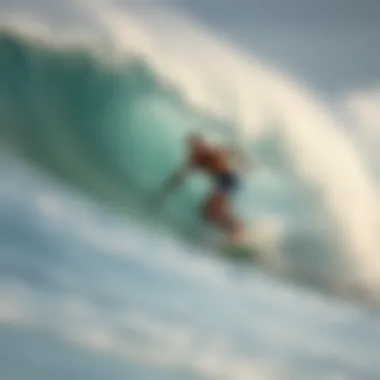
Mastering these turning techniques allows you to adapt to different wave conditions, making each surf session more enjoyable and dynamic.
Riding Different Wave Types
Understanding how to ride varied wave types is crucial for any surfer, especially on a fun board. The approaches can differ widely:
- Beach Breaks: These tend to be less predictable but allow for fun swells. Commitment to your paddling here is vital.
- Point Breaks: These provide long rides but require more intricate maneuvering. Position yourself wisely to take full advantage.
- Reef Breaks: These can be tricky, but reading the wave is key. Stay alert to changes in the wave formations as you're riding.
Riding different wave types enhances your versatility as a surfer. Getting acquainted with each wave's temperament will help you adjust your technique and board positioning accordingly.
Significant skill development in surfing comes from understanding the delicate dance between rider and wave. Hone these techniques, and your experience on fun boards can flourish, revealing a deeper connection with the ocean.
Selecting the Right Fun Board
Choosing the appropriate fun board is crucial for enhancing the overall surfing experience. It's not just about picking the shiniest board on the rack; rather, it’s a deeply personal decision that reflects one's abilities, style, and the kind of waves one is eager to conquer. This section will break down key elements to guide you in selecting the right fun board, including personal skill level, material choices, and seeking expert advice.
Assessing Skill Level
When diving into the world of surfboarding, your individual skill level plays a pivotal role in deciding what fun board suits you best. Beginners may really want something more forgiving, like a wider board that offers greater stability. These boards are often designed to help new surfers quickly get the hang of paddling and riding. On the flip side, more experienced surfers might seek boards that allow for greater maneuverability and speed.
It’s essential to take a good, hard look at your current capabilities and be honest about areas you need to work on. For instance, if you're still learning how to pop up on the board, perhaps a longer and wider board could be the right choice. These boards provide the extra buoyancy and balanced feel that can give you more confidence as you stand up on the waves.
"Choosing the right board isn't about impressing others; it's about enjoying the ride."
Choosing the Right Material
Once you’ve assessed your skill level, it's time to think about what the board is made from. Fun boards are typically crafted from materials like foam, fiberglass, or epoxy. If you're just starting out, foam boards are usually the go-to choice. They’re lightweight and more forgiving, making them easier to maneuver in the water. Plus, they're less likely to cause injury if you take a tumble.
For those with more experience, fiberglass and epoxy boards might be more appealing. They tend to offer a better performance, with features that optimize speed and agility. However, they do require a bit more care, as they can be more prone to dings and damage.
Consider your regular surf spots as well; are they fairly calm with small waves, or are you tackling more aggressive terrain? The board's material can significantly impact how well you ride the waves.
Consulting Experts and Reviews
Finally, when it comes down to the nitty-gritty of selecting a fun board, it pays off to consult those in the know. This could involve talking to local surf instructors who can give you tailored advice based on their observations of your surfing style. They can share insights on what boards have worked for others with similar skills and conditions.
Online reviews are another goldmine of information. Websites like Surfer Today and community threads on platforms like Reddit can provide real-world experiences from fellow surfers. Don’t shy away from asking questions—surfing communities are typically welcoming, and seasoned surfers often love to lend advice to those just starting.
Surfboard Care and Maintenance
Taking care of your surfboard is as essential as knowing how to ride the waves. Proper surfboard care and maintenance can prolong the life of your board, ensure optimal performance, and keep your surfing experience enjoyable. When you think about it, your surfboard is not just a tool; it's like a trusted friend that deserves your respect and attention. Treat it well, and it will serve you loyally for many surf seasons to come.
Cleaning Your Surfboard
Cleaning your surfboard might seem like a simple chore, but it plays a critical role in preserving its integrity. After each session, rinsing your board with fresh water helps remove salt, sand, and grime that can eat away at the materials. Saltwater, in particular, is notorious for corroding metal parts and degrading the epoxy or fiberglass layers if left unattended.
A reliable cleaning method begins with a soft sponge or cloth. Avoid using abrasive materials since they may scratch the surface. Some surfers swear by a mix of warm water and a few drops of mild dish soap for an effective, gentle wash.
- Tips for Cleaning:
- Rinse your board thoroughly with fresh water after each use.
- Use a soft cloth or sponge to wipe down the surface.
- For stubborn stains, create a paste with baking soda and water, apply, and rinse well.
Storage Tips for Longevity
Storing your surfboard correctly can make all the difference. Much like finding the right spot for a delicate plant, your surfboard needs a designated area that keeps it out of harm’s way. Avoid leaving your board in direct sunlight for extended periods, as UV rays can fade the colors and break down materials.
When it comes to storage, consider these pointers:
- Keep it cool: Store your board in a cool, shady location. Ideally, a surfboard bag will protect it from physical shocks and environmental elements.
- Vertical or horizontal: If you choose to store it vertically, make sure it’s secured to prevent it from falling. If horizontal, try to lay it on something soft to avoid pressure points.
- Avoid stacking: If you have multiple boards, avoid stacking them on top of each other unless they are in padded bags. Instead, arrange them in a way that distributes weight evenly.
Repairing Minor Damage
Like any cherished piece of equipment, your surfboard can get banged up. Dings, scratches, or even small cracks can jeopardize not just the board's performance but also your safety. Addressing these minor damages promptly can save you from bigger issues down the line.
For a DIY repair approach, here’s a simple process to follow:
- Assess the damage: Determine whether it’s a minor ding or something requiring a professional repair.
- Clean the area: Make sure the damaged section is clean from dust and moisture. Use a mild soap if necessary.
- Use repair kit: For small dings, a surfboard repair kit that includes epoxy resin or a similar product can work wonders. Follow the instructions, but generally, you’ll want to mix the resin and apply it carefully over the damaged area.
- Sand down the repair: Once dry, sand it lightly to ensure a smooth finish.
- Polish: Finally, buff the area with a bit of polish to restore its shine.
Remember, regular checks on your equipment will help you catch minor issues before they turn into serious headaches. Treat your board right, and it’ll always be ready to ride!
Environmental Considerations in Surfing
Surfing, while a thrilling sport that connects individuals with the ocean, comes with its dose of responsibility. The choices surfers make—not only regarding their equipment but also how they interact with their environment—have profound effects on marine ecosystems and the health of oceans. Therefore, understanding environmental considerations in surfing is essential for cultivating a culture that respects and protects our natural resources.
Sustainable Surfing Practices
Sustainable surfing practices are vital for reducing the ecological footprint of surfing and ensuring future generations enjoy pristine oceans. One effective way to surf sustainably is by opting for eco-friendly surfboards. Manufacturers like Firewire and Earth Technologies are pioneering boards made from recyclable materials, thereby reducing the dependency on harmful plastics that typically pollute our shores.
Another hallmark of sustainable surfing is support for local communities and businesses. When planning your surf trip, consider staying in eco-lodges or supporting surf schools run by locals. This not only contributes to the local economy but also fosters a greater awareness of environmental issues as these communities often have a deep connection to their surrounding waters.
Furthermore, surfers can actively participate in beach cleanups and conservation initiatives. These efforts help to keep beaches clear of trash, protecting marine life from the perils of pollution. Surfers can often find events organized by local surf clubs or environmental organizations through social media channels. Engage with likeminded individuals; simple actions can grow into larger movements, promoting ocean health and clarity.
"It's the little things that add up—using reef-safe sunscreens, trimming down single-use plastics, and promoting awareness can create substantial change.”
Conserving Marine Ecosystems
Conserving marine ecosystems is critical for maintaining biodiversity and the quality of surf conditions. Healthy reefs are not just essential for the wildlife that inhabit them; they protect coastlines from erosion and contribute to clearer waters, resulting in better surfing experiences.
Protecting marine ecosystems involves understanding the consequences of climate change and its ripple effects. As sea temperatures rise, coral bleaching becomes more prevalent, leading to the degradation of reefs. When surfing, be mindful of the regions you frequent. For instance, staying away from sensitive viral reserves and respecting marine wildlife can help reduce disturbances.
Moreover, surfers can advocate for marine protected areas (MPAs) that prioritize conservation efforts over development projects. These zones serve as sanctuaries for endangered species and allow ecosystems to regenerate, ultimately benefiting both surfing conditions and marine biodiversity. Keeping informed through local marine conservation groups can help surf enthusiasts contribute to these initiatives effectively.
Epilogue
As surfing continues to grow in popularity, the importance of environmental considerations becomes more vital. By embracing sustainable practices and conserving marine ecosystems, surfers not only enhance their connection with the waves but also protect the delicate balance of life beneath the surface. Choosing eco-friendly gear, participating in community initiatives, and advocating for conservation ensure that surfing remains a joyful pursuit for all—now and for generations to come.
For further reading and useful resources, check out:*
- Surfboard Recycling on Wikipedia
- National Oceanic and Atmospheric Administration (NOAA)
- The Surfrider Foundation
Global Surfing Destinations
Surfing is not just a sport; it's an experience that blends technique, thrill, and a profound connection with nature. This interaction lets surfers discover spots globally, each unique in its waves and vibes. From sun-kissed coasts to rugged shores, global surfing destinations offer a variety of cultures and surfing styles, providing rich experiences beyond catching waves.
When discussing surfboarding, the variety of locations where this exhilarating activity takes place is crucial. Different regions come with distinct wave conditions, local tools, and local surf customs. Understanding these locations doesn’t just enhance your surfing skills; it enriches your appreciation for the elaborate culture surrounding this sport.
Top Surf Spots Around the World
Every surfer has a dream list of spots where they hope to carve their names into the waves. Here are some of the notable destinations that exhibit a mix of beauty and challenge:
- Pipeline, Oahu, Hawaii: Known for its towering, powerful waves, Pipeline is revered among experienced surfers. It's not just about riding the waves; it's about mastering them.
- Jeffreys Bay, South Africa: The "J-Bay" presents one of the longest right-handed point breaks globally. Aside from its exceptional waves, the warm atmosphere is a treat for visitors.
- Bondi Beach, Australia: Perhaps one of the most famous beaches simultaneously serves as a landmark and a surfing paradise. It caters to surfers of various skill levels, hence maintaining its vibrancy.
- Gold Coast, Australia: Known for its stunning shoreline and consistent breaks, the Gold Coast features several surf competitions drawing international attention.
- Tamarindo, Costa Rica: This destination comes alive with vibrant surf culture, stunning beaches, and tropical weather. It’s perfect for both beginners and seasoned surfers, boasting a variety of breaks.
"Surfing isn’t just about meeting the next wave; it’s about immersing yourself in a culture that transcends the ocean."
Understanding the geography of these surf spots helps surfers choose wisely based on conditions, traditions, and expectations. Each locale comes with its challenges, beckoning surfers to up their game.
Surf Culture in Different Regions
Each surfing destination boasts its special contribution to the broader tapestry of surf culture. This culture largely shapes the approaches, techniques, and attitudes toward surfing across different places.
- Hawaiian Heritage: Regarded as the birthplace of modern surfing, Hawaii holds a significant place in surf culture. The practice, born from ancient traditions, involves spiritual and cultural elements that compel respect for the ocean.
- California Chill: California’s surf culture ooze a laid-back vibe that encourages creativity and freedom. The local scene is famed for fostering innovative surfing styles and a community spirit.
- Australian Passion: Australians embrace surfing as a way of life. It’s part of the national identity, where countless beaches create opportunities for surfers, regardless of experience. Events and competitions create great camaraderie, showcasing skills on national and international levels.
- European Influences: Countries like Portugal and Spain are now rising stars in the surf scene. From the prominent beaches in Portugal, which are perfect for experienced surfers, to the charming surf towns in Spain, the culture blends traditional customs with modern surfing trends.
Understanding these cultural nuances allows surfers to respect local customs while learning new methods. Whether riding waves in California or navigating the tricky breaks in Hawaii, knowing the cultural backdrop enriches the surfing experience and fosters a greater appreciation for this vibrant lifestyle.
Building a Surfing Community
Building a robust surfing community is essential, not just for enhancing individual experiences but for fostering a culture of sharing, learning, and environmental stewardship. When individuals converge around a shared passion, like surfboarding, it leads to a collective that supports its members while preserving the very environment they cherish. This community aspect amplifies the joy of surfing, ensuring that newcomers feel welcomed and seasoned surfers can find camaraderie on and off the waves.
Local Surf Clubs and Organizations
Local surf clubs and organizations play a significant role in creating a supportive environment for surfers at any skill level. These groups often host events, training sessions, and competitions that help surfers refine their skills while connecting with like-minded enthusiasts. Moreover, clubs can act as a social hub, allowing members to share favorite spots, tips, and tricks.
- Skill Development: Many clubs offer workshops and coaching, allowing beginners to learn from veterans. This mentorship can make a huge difference, as newer surfers might feel overwhelmed by the plethora of information available.
- Shared Resources: Clubs can facilitate equipment sharing and rental programs, making surfing more accessible for those just starting without a collection of boards.
- Environmental Initiatives: Many surf organizations take on the responsibility of beach cleanups and conservation efforts, instilling a sense of duty to protect the beaches and oceans they love. They engage members in activities that directly impact local marine ecosystems.
By joining local surf clubs, members aren’t just signing up for lessons; they’re becoming part of a tradition, directly contributing to their local surf culture.
Engagement in Global Surfing Events
Participating in global surfing events opens doors to interactions that go beyond local waves. These events are like melting pots of styles, techniques, and cultures, offering surfers an opportunity to learn from a diverse array of skill sets and perspectives.
Engagement in such events has several benefits:
- Networking: Surfers from various regions can meet, share experiences, and form friendships. Networking with diverse surfers can lead to future collaborations or even travel experiences where they can surf new waves together.
- Exposure to Different Surfing Styles: Attending international competitions exposes surfers to various styles, techniques, and board types that they might never encounter at home. This can lead to growth in one’s own surfing abilities, depending on the knowledge shared by others.
- Cultural Appreciation: Surfing varies significantly across different regions — from the equipment used to the beliefs surrounding the practice. Engaging with global surfing events fosters an appreciation for these differences, enriching one’s own surfing journey.
"Surfing is not just a sport; it's a way of life that connects us all, transcending borders and cultures."
Being part of these events allows surfers to experience a unified community spirit, whether they’re competing or simply enjoying the event atmosphere.
By investing time in local clubs and taking part in global surfing events, surfers cultivate not just their skills, but also a sense of belonging and responsibility towards the surfing community and environment. This commitment to community solidifies the sport's culture, promoting sustainability and shared joy in the waves.