
Types of Swim Fins and Their Benefits Explained

Intro
Swim fins play a crucial role in enhancing performance, efficiency, and enjoyment in the water. Whether you're a seasoned surfer carving big waves or a casual beachgoer splashing around, understanding the different types of swim fins can transform your experience. Choosing the right fin can be the difference between effortlessly gliding through the surf and floundering like a fish out of water. Here we delve into the various types of swim fins, elucidating their unique characteristics and applications.
As we peel back the layers of swim fin technology, it’s key to recognize not just the physical differences among the types, but also how these distinctions translate into real-world performance on the water. From full-foot fins that embrace comfort to open-heel designs that excel in versatility, each type opens up a realm of possibilities for surfers, divers, and aquatic adventurers alike.
Surfing Techniques
When it comes to applying swim fins in surfing, the technique adopted can greatly sway your performance. Here’s a closer look at how fins impact your water skills, especially for beginners and experienced surfers.
Beginner Tips for Getting Started
For new surfers, the journey can be daunting. One foundational tip is to ensure you select the right pair of fins. Full-foot fins, often recommended for novices, are less cumbersome and provide the required propulsion without overly taxing the legs. A snug fit is essential; after all, nobody wants to battle with slippage mid-wave.
Moreover, practice is key. Nailing the basics of paddling and maintaining balance are crucial before advancing onto wave riding. Try to keep your fins at a consistent angle while kicking, rather than flailing about.
Advanced Maneuvers and Tricks
Once you've grown comfortable, it’s time to spice things up. Here, the right fin selection becomes even more paramount. Open-heel fins are often favored by advanced surfers. They facilitate quick adjustments and can be customized with various sizes and stiffness for specific tricks.
As you begin mastering advanced techniques such as duck dives, aerials, or spins, practice varies kick styles—the flutter kick might work for speed, while a strong frog kick can help maneuver through tough currents or perform complex tricks. Understanding your fins' response is fundamentally important; it can be engaging or taxing depending on your skill level.
“Fins should feel like an extension of yourself in the water. Get the right fit, and you'll swim like the current.”
As we proceed to explore other fin types, understanding how these aquatic appendages complement your surfing skills sets the stage for a more enriched experience on the board. Let’s navigate into the critical component of surfboard selection next.
Foreword to Swim Fins
Swim fins play a pivotal role in enhancing one's aquatic experience, whether you are a seasoned surfer seeking to conquer waves or a recreational swimmer exploring the local pool. The importance of swim fins extends beyond mere propulsion; they can substantially influence technique, stamina, and overall enjoyment of aquatic activities. Understanding the various types available and their unique attributes helps in making informed choices that align with your individual needs.
In the world of swimming and surf sports, fins serve multiple purposes. For instance, they can facilitate a smoother glide through water, helping swimmers maintain speed with less effort. This can be especially beneficial during long training sessions, where fatigue can creep in. Furthermore, different types of swim fins cater to various styles and preferences. Whether it’s full-foot fins, offering convenience and comfort, or open-heel fins, designed for adjustability and warmth, selecting the right fins can drastically alter the dynamics of your performance.
Moreover, utilizing the right pair of fins can also serve as an effective training tool. New swimmers can develop a better understanding of body positioning and balance within the water, while advanced athletes can hone their power and efficiency. Thus, mastering the nuances of swim fins not only boosts physical performance but also fosters a deeper appreciation for the sport itself.
As outdoor enthusiasts, surfers, and fitness professionals come together, they share a common goal—to maximize their experiences on and off the water. Each type of fin is intricately designed to cater to various scenarios, ensuring a fantastic aquatic adventure. Therefore, as we dig into the specific types of swim fins in the following sections, keep in mind how the right pair can enhance your proficiency and pleasure in the water.
The Purpose of Swim Fins
Swim fins are not just a fashionable accessory to include in your aquatic gear; they play a critical role in enhancing performance in the water. The purpose of swim fins extends beyond mere propulsion. They serve various functions that can significantly influence a swimmer's technique, speed, and endurance. Understanding these nuances is key for anyone from competitive swimmers to casual beachgoers looking to get the most out of their time in the water.
Enhancing Propulsion
By efficiently channeling the energy generated by your legs, fins can drastically improve your speed. When you wear swim fins, every kick becomes more powerful. Much like a motorbike accelerates faster with a turbo boost, fins allow you to glide through the water with less effort. This increased propulsion capability is especially beneficial for athletes who need to build strength and speed.
- Muscle Engagement: With proper fin use, you’ll engage muscles differently than when you're swimming barefoot. This results in greater muscle endurance and strength development over time, essential for swimmers or surfers pushing their limits.
- Fluid Dynamics: Fins help to create a more favorable fluid dynamics scenario around the legs, streamlining movements and reducing drag. With the right fins, you don’t just swim faster—you swim smarter.
"Choosing the right fins can be the difference between feeling like you're swimming with weights on your feet or flying through the water like a dolphin."


Improving Technique
While speed is vital, technique is where the real magic happens. Swim fins provide immediate feedback, enabling swimmers to recognize and correct poor habits while swimming. With a balanced set of fins, you can focus on refining your kicking technique.
- Ankle Flexibility: The added length and shape of fins encourage greater ankle flexibility. Many swimmers struggle with achieving the right kick due to rigid ankles. Fins can assist in loosening up this area, allowing for a more natural leg movement.
- Body Positioning: Fins tend to raise the body’s position in the water, fostering an optimal horizontal line. This means less resistance and enhances efficiency, allowing swimmers to conserve energy while maximizing their distance per stroke.
For all these reasons, swim fins have become an essential tool not just for professionals but for enthusiasts looking to advance their skills. They support a journey of continuous improvement, urging us to strive for form and efficiency in every kick.
Types of Swim Fins
Understanding the various types of swim fins is crucial for anyone looking to enhance their aquatic experience, whether you’re a casual swimmer, an avid surfer, or a serious freediver. Each type of fin exhibits distinct characteristics that can affect performance in the water. In this section, we’ll dig into the various forms swim fins take, their unique features, and the benefits, or risks, associated with each style. Choosing the right fin makes a world of difference in efficiency, comfort, and overall enjoyment.
Full-Foot Swim Fins
Characteristics of Full-Foot Fins
Full-foot swim fins are uniquely designed to fit snugly over your entire foot. They are often made from soft materials that provide a comfortable fit while allowing for a high degree of flexibility in the fin blade. One of the key characteristics of these fins is their lightweight nature, making them easy to wear for extended periods. Moreover, they tend to be a popular choice among recreational swimmers and snorkelers because they are so easy to slip on. The downside? Since they are not adjustable, individuals with varying foot sizes might find them less suitable.
Applications in Various Sports
Full-foot fins primarily find their niche in snorkeling and recreational swimming. They’re favored for their simplicity and ease of use. They can also be found in various underwater sports, where free movement and maneuverability are essential. When using full-foot fins, the swimmer gains significant propulsion with minimal effort, which can be beneficial for extended water outings. However, one should be aware of the potential discomfort during long periods, as inadequate fitting can lead to sore spots.
Open-Heel Swim Fins
Adjustability and Comfort Features
Open-heel swim fins come with a design that leaves the heel exposed. This design makes them adjustable, which is arguably their most significant benefit. The ability to tailor the fit means that they can be worn over standard dive booties, providing additional warmth and protection in cooler waters. However, achieving a perfect fit may take some time and effort, and not all brands fit consistently. This style of fin is particularly beneficial for watersport enthusiasts seeking compatibility with varying footwear.
Ideal Use Cases for Open-Heel Fins
These fins excel in situations where modifications might be necessary, such as in scuba diving or in colder waters. Open-heel fins allow divers to wear booties, which can enhance comfort and warmth. They’re also a go-to choice for competitive swimmers and sport divers who require a fin that can allow a balanced stroke and reduce drag. However, if not secured properly, there’s a risk of the fins slipping off during vigorous activities.
Short Swim Fins
Benefits of Compact Fins
Short swim fins are known for being compact and lightweight. They are suitable for swimming drills aimed at improving kick technique or for short-distance swimming. One major benefit is agility; short fins make it easier for swimmers to change directions quickly. Their smaller size also means they can be a good choice when practicing underwater movements, such as for freediving or bodyboarding. On the flip side, users might not get the propulsion that longer fins offer, which can be a drawback in longer swims or races.
Suitable Scenarios for Short Fins
Short fins work exceptionally well in pool settings, especially when focusing on specific training techniques. They’re also a great option for travel since they don’t take up as much space in luggage. These fins often appeal to beginner swimmers who need a bit of assistance with their kicks but are not ready for the added load of a longer fin design. Yet, those who are used to longer fins may find short models lacking in power during longer swims.
Long Swim Fins
Performance Advantages of Long Fins
Long swim fins are often associated with added propulsion. The extended blade length allows for a narrower and more powerful kick. This design can enable swimmers to achieve speed with fewer strokes, which is advantageous for competitors. Long fins can enhance the glide phase of swimming, providing a significant boost to overall performance. On the other hand, they may feel cumbersome to some swimmers, especially novices not yet used to managing such length in the water.
Considerations for Use
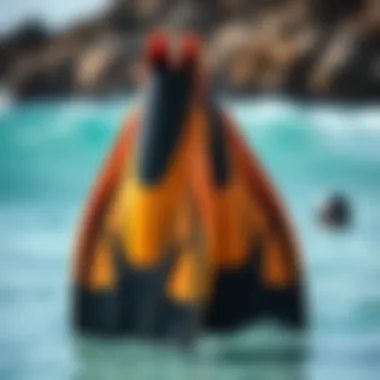

When selecting long fins, it’s essential to consider the swimmer's strength and skill level. They require a bit more effort to use efficiently, and improper technique with long fins can lead to fatigue. Beginners might find them overly challenging, whereas experienced swimmers can harness their benefits effectively. Additionally, the battlefield of ocean waves or choppy waters can present its own challenges for those sporting longer fins.
Bodyboard Swim Fins
Design Features of Bodyboard Fins
Bodyboard swim fins tend to have a unique design, often featuring a shorter blade and a more rigid construction compared to typical swim fins. This design enables bodyboarders to get fast and efficient kick power while allowing for quick maneuvers on the waves. One of the standout elements is how seamlessly these fins help facilitate rapid wave positioning. However, the drawback can be limited propulsion in deeper waters or for advanced swimming.
Optimal Conditions for Use
Bodyboard fins shine in controlled wave conditions. They are most effective when the bodyboarder is riding smaller waves, where swift turns and quick movements prevail. It’s crucial to note, however, that while they work well for specific scenarios, they might not offer the best performance for every aquatic pursuit. Their limited ability in rough water can become a sticking point for some users.
Freediving Swim Fins
Specialized Design for Depth
Freediving fins typically have long blades,are designed specifically to maximize efficiency at depth. The unique rigidity in the construction allows for effective propulsion through the water with minimal effort. One notable feature is that many models have foot pockets that fit snugly, enhancing control over kicks. However, this rigid design can pose challenges for those new to freediving, as it requires a certain level of strength and skill.
Choosing the Right Freediving Fins
When seeking the right freediving fins, it’s important to take foot comfort and flexibility into account. Custom molds are available for individuals who require that extra bit of fitting – a key feature for enhanced performance. One unique aspect of freediving fins is their ability to optimize upward and downward movement, allowing divers to reach depths more comfortably. Still, those unfamiliar with the long blade might struggle with the technique initially, requiring training and practice to master.
Surfing Swim Fins
Fins Designed for Wave Riding
Fins designated for surfing are specific to positioning and control in wave motion. They typically have a less pronounced blade than scuba or free diving fins, allowing for powerful turns and stability on the board. One of the major highlights is how these fins can significantly affect riding style and control. Users should also be mindful, as performance can vary widely depending on the wave type and conditions.
Compatibility with Surf Gear
Surfing fins need to effectively integrate with a variety of board designs, making compatibility a key focus in selection. Various fin systems, like FCS or Futures, are designed to ensure that fins fit properly in different boards. This versatility is important for surfers who switch boards frequently or experiment with varying surf conditions. However, dive into this realm carefully; an incompatible fin can undermine performance and ruin a session.
By knowing the specific types of swim fins, athletes and enthusiasts can make informed choices about what best connects them to their aquatic adventures. Whether you're seeking speed, control, or comfort, there’s a fin style that suits your needs in the water.
Factors to Consider When Choosing Swim Fins
Choosing the right swim fins is pivotal to enhancing your performance and enjoyment in the water. With so many options out there, understanding what's important can help you make an informed decision. Here are the main factors to keep in mind:
Foot Size and Comfort
When it comes to swim fins, one size does not fit all. Comfort starts with ensuring that your fins align well with your foot size. Most brands offer a range of sizes, but you'll need to gauge how snugly they fit. If they’re too loose, you may find yourself wrestling with them mid-stroke or worse, risking foot cramps.
In contrast, fins that are overly tight can become a nuisance, leading to blisters or sore spots. It helps to try them on before buying or read up on sizing charts provided by brands. Sometimes, it’s a good idea to consider whether you’ll wear them with booties or not. One helpful strategy is to take a few laps in the pool or ocean to test for comfort before committing to a purchase.
Material and Weight
The material used in swim fins directly affects their performance and comfort. Fins crafted from high-quality silicone or rubber tend to be more flexible and provide a better feel in the water, making them easier on your feet. Conversely, a hard plastic fin might offer more propulsion, but they can be tough on your feet and can lead to fatigue after extended use.


Weight is another matter worth pondering. Heavier fins might provide increased power but can also weigh you down during long swims. Lighter fins allow for more natural movement and can reduce leg strain, particularly during sprints or when practicing technique. Always remember, the right material should complement your swimming style and goal.
Fin Shape and Blade Design
Let’s get into the nitty-gritty of fin shapes and blade designs. Fins come in various shapes and styles, all serving unique functions. A wider blade usually provides more propulsion but demands increased effort. On the flip side, a narrower blade tends to facilitate quicker movements, which could be beneficial for agile swimming.
The angle of the blade also plays a role. An angled blade can help keep your legs at a comfortable position and reduce water resistance. Consider your swim goals: if it's all about speed for you, look into longer, stiffer options. On the other hand, for technique improvement, shorter, more flexible fins could support a better kick.
"Choosing the right swim fins is not merely a matter of preference, but a crucial factor that can make or break your aquatic experience."
Understanding these factors while selecting swim fins can vastly improve your experience, whether you're a surfer, traveler, or a casual swimmer. By paying attention to foot size, material, and design, you enhance both comfort and performance, ultimately making each dive or paddle that much more enjoyable.
Maintenance and Care for Swim Fins
Maintaining and caring for swim fins is an essential aspect that often gets overlooked by both novice and experienced users alike. Ensuring that your swim fins are in tip-top shape not only prolongs their lifespan but also enhances their performance in the water. The investment in these tools pays off when they are correctly maintained, providing better grip, speed, and comfort during aquatic activities. Moreover, regular upkeep can save you future costs associated with replacements, helping you stay focus on your adventures.
Cleaning Your Swim Fins
After a long day in the water, it's vital to attend to your fins. Saltwater, sand, and chlorine can accumulate and cause damage if fins are not cleaned properly. Here’s how to do it right:
- Rinse Immediately: As soon as you are done, give your swim fins a good rinse with fresh water. This helps wash away any salt or chlorine residue.
- Mild Soap Solution: For a more thorough clean, mix a drop of mild detergent with warm water. Dip a soft cloth or sponge in this solution and gently scrub the fins. Avoid using abrasive materials, as they might scratch the surfacing.
- Inspect for Damage: While cleaning, take a moment to inspect your fins for any cracks or tears. Addressing these issues early on will prevent bigger headaches later.
- Air Dry: After rinsing, leave the fins to air dry in a cool place away from direct sunlight. The sun’s rays can warp and degrade the materials over time.
Regular cleaning not only keeps your fins looking good but also plays a crucial role in maintaining their functionality. Dissolving harmful residues ensures your fins perform efficiently, and protects your investment in the long run.
"A little care goes a long way in ensuring your swim fins remain reliable companions on your aquatic journeys."
Storage Recommendations
How you store your swim fins plays a significant role in their longevity. Take note of the following points to ensure they stay in peak condition:
- Keep Them Flat: When storing your fins, lay them flat to prevent bending or warping. This is particularly important for longer fins, which can be easily distorted if packed tightly.
- Use a Bag or Case: Consider investing in a dedicated fin bag or case. This adds a layer of protection against scratches or impacts when being transported.
- Dry Environment: Store your fins in a dry, cool place. Excess moisture can encourage mildew, while excessive heat may weaken the materials.
- Avoid Heavy Weight: Ensure nothing heavy is resting on top of your fins during storage. This can cause unwanted pressure, leading to permanent deformation.
By incorporating these simple practices, you will keep your swim fins ready for action any time you are. With a little attention, these pieces of gear can serve you well for many seasons, making your time spent in the water even more enjoyable.
Final Thoughts on Swim Fin Selection
Selecting the right swim fins is more than just a matter of preference; it can significantly alter your performance and enjoyment in the water. With a myriad of options available, understanding the nuances between different types of fins, as well as their appropriate contexts, provides a solid foundation for making an informed choice.
Why Swim Fin Selection Matters
Choosing fins that fit your specific activity can have numerous benefits. For instance, surfers should consider fins designed for wave riding, as these can provide the necessary propulsion and stability when navigating choppy waters. Conversely, a freediver might prioritize a fin that offers efficiency in propulsion with less effort, allowing for longer dives without excessive fatigue. Ultimately, the right fins can enhance your overall experience, making a world of difference on how you interact with the water.
Key Considerations
When selecting swim fins, it’s critical to evaluate several essential factors:
- Type of Activity: Different activities such as surfing, swimming, or snorkeling require different fin characteristics. Knowing the demands of your sport helps narrow your choices.
- Fit and Comfort: A snug fit is vital to prevent blisters or cramps during use. Always try on fins or check sizing guides for the best fit.
- Material: The composition of fins can affect buoyancy and flexibility. Rubber, silicone, and thermoplastics come with their pros and cons that cater to various preferences.
- Blade Design: The shape and length of the fins impact stroke efficiency and power. Experimenting with various designs can help you discover your ideal fin style.
The Value of Proper Selection
Inappropriately selected fins can lead not only to poor performance but also to frustration. Imagine struggling against the water when your equipment is holding you back; it's enough to dampen even the most spirited water adventure. Choosing wisely ensures that you improve not only your efficiency in the water but also your enjoyment and confidence. Fins should feel like an extension of oneself.
In Closing
As we've explored throughout this article, a myriad of options are accessible for swim fins, each tailored to specific activities and personal preferences. Investing time and thought into your selection process yields returns in the form of enhanced aquatic experiences. Whether you're cutting through waves or diving into the deep blue, the right swim fins will play a crucial role in elevating your performance. So gear up wisely—after all, it’s not just about how you swim; it’s about how you feel while doing it.