Mastering the GoPro Handheld Mount for Surfing
Intro
Surfing is more than just a physical activity; it's an art form and a way of life. Every wave catches a piece of your spirit, and for many surfers, capturing those fleeting moments becomes a passion. That's where the GoPro handheld mount comes into play. This device is not merely a camera accessory; it's a game-changer for documenting surf adventures in ways that regular mounts simply cannot achieve.
In this guide, we explore how the handheld mount can enhance your surf filming experience. We’ll dive into its technical specifications, advantages, and practical uses while offering insight from seasoned surfers who have put this tool through its paces. Whether you’re a budding surfer hoping to chronicle your journey or an experienced rider looking to share your best tricks, understanding how to leverage this technology can take your content to the next level.
From beginner tips to advanced tricks, this guide serves as a resource for all those passionate about the ocean and its waves. Let’s explore the impressive world of the GoPro handheld mount and discover how it can amplify your surf storytelling.
Intro to GoPro Handheld Mounts
When it comes to surf videography, capturing the perfect shot can be half the battle. The GoPro handheld mount is no small piece of equipment for someone looking to document their adventures. It not only allows for an ease of handling but enhances video stability, which is crucial when you’re riding waves. While the technology integrated into the GoPro service is impressive on its own, the addiction of a handheld mount makes the experience even better, offering the perfect blend of flexibility and stability.
Overview of GoPro Technology
The evolution of GoPro cameras reflects a significant leap in how we document activities. Originally designed for extreme sports, these compact cameras have unveiled a range of high-tech features. The integration of wide-angle lenses enables filmmakers to capture expansive vistas, while the capabilities for high frame rates provide slow-motion footage that can bring a wave's power to life like nothing else. These cameras can stand up to the salty spray of the ocean, making them a favorite for surfers.
But the innovations don’t stop there. GoPro technology has embraced wireless connectivity, letting users share their adventures in real-time on social platforms. Plus, with stabilization features built into recent models, shaky footage is a thing of the past. All this makes a GoPro an indispensable tool, susurrating with the call of the waves, beckoning outdoor enthusiasts to capture every moment.
Importance of Filming in Surfing
Filming while surfing is more than just a trend; it’s a way to preserve experiences and share them with others. Surfers, whether seasoned or just paddling out for the first time, often validate their journeys through the lens of a camera. That merging of sport and artistry can be quite striking, showcasing not just the thrill of the ride but also the serene beauty of nature.
Capturing moments on film encourages surfers to push their limits, relive their triumphs, and learn from mistakes. Watching footage can reveal nuances in technique that one might miss in the heat of the moment. Moreover, it helps surf coaches analyze performances for training purposes, turning the waves into a classroom. Such documentation also fosters a community spirit, as sharing experiences connects surf aficionados across the globe.
"In surfing, every wave is a unique element of adventure. Capturing these experiences is both an art and a science."
In essence, the GoPro handheld mount serves as the bridge between the surfer and their narrative, allowing the nuances of each ride to be shared, celebrated, or even critiqued among peers. As this article progresses, we will explore technical aspects, user experiences, and more, ultimately aiming to enhance the community's understanding and engagement with surf videography.
Technical Specifications of Handheld Mounts
Understanding the technical specifications of handheld mounts is crucial for surfers who aim to capture quality footage while riding the waves. Each element plays a pivotal role in not only the operational capabilities of the mount but also in ensuring that the camera remains durable in the often harsh marine environment. Knowledge of these specifications will help surfers choose the right mount that suits their filming style and needs.
Material and Build Quality
When considering a handheld mount, one should pay attention to the material and build quality. A mount made from high-grade materials such as polycarbonate or aluminum offers durability against saltwater corrosion and general wear and tear. For example, mounts that employ a rubberized grip not only provide enhanced control but also stand firm against the motion of the waves and the occasional drop.
Additionally, a robust build can promise longevity, which is essential for those who repeatedly hit the surf. Packaging and sturdiness matter a lot. A well-constructed mount shields your camera from accidental knocks and the elements, crucial when splashing through waves or surfing unexpectedly rough conditions.
Compatibility with GoPro Models
Compatibility is another fundamental aspect to consider. Not all mounts work universally with every GoPro model. For instance, the GoPro Hero 10 must fit snugly onto the mount to ensure stable shooting. This snugness helps prevent any vibration that could lead to shaky footage. Make sure the chosen mount supports not only your model but any future upgrades you plan to make. GoPro often releases new models with innovative features, so selecting a mount that adapts easily can save time and money in the long run.
Weight and Dimensions
Finally, the weight and dimensions of the mount contribute significantly to its usability. A lightweight design enables easy handling, especially for surfers maneuvering beyond the waves. However, this should not compromise the strength of the structure. An ideal mount strikes a balance between being robust and manageable. Excessively heavy mounts can fatigue hands, distract from the surfing experience, and even lead to accidents if lost in the surf.
It’s worth noting that bulkier models may incorporate added functionalities but can complicate filming, making it imperative for surfers to choose wisely based on their personal preference and surfing environment.
Advantages of Using a Handheld Mount
The GoPro handheld mount is more than just a device; it's a game changer for surfers looking to capture the thrill of their rides. Using this mount opens numerous doors, improving both your filming quality and your shooting experience. As we delve into the specific advantages, we will see why this mount is a must-have for ocean sports enthusiasts.
Stability and Control
When you’re out on the water, the last thing you want is shaky footage ruining your perfect wave capture. The handheld mount provides the much-needed stability. Unlike just holding the camera in your hands, this mount allows you to maintain a steady shot even when the ocean is churning beneath you.
Imagine you’re paddling out, excitement bubbling as you prepare for another swell. With a handheld mount, the camera is less likely to bounce all over. You can focus on your surfing while your GoPro captures smooth footage. In addition, the grip is designed to absorb shock and vibrations, ensuring that even fast action is recorded with clarity.
"A steady camera makes for a great story; every wave you chase deserves it."
Portability and Ease of Use
One of the standout features of the handheld mount is its portability. You can easily throw it in your backpack or beach bag without the weight weighing you down. This is particularly useful when you’re traveling to different surf spots. The lightweight design means you can carry it around without any hassles, allowing you to focus on enjoying your time in the water.
Setting it up is a breeze too. You won’t need to spend ages fiddling around with complicated rigs. Just attach your GoPro, adjust it to your preferred angle, and you’re ready to roll. Many surfers appreciate this ease of use, allowing them to catch spontaneous moments without missing a beat as they hop on their boards.
Versatility in Filming Angles
Another notable advantage of the handheld mount is its versatility. It isn't just about capturing what’s in front of you; this mount allows you to explore a multitude of filming angles. Whether you want a low angle for surf shots that highlight your board gliding over the water or a high angle for an overview of your surfing environment, the mount can adapt.
You can even use it when you're not in the water, capturing shots from the shoreline or on land, helping you tell a more complete story of your surf adventure. With this versatility, you elevate the quality and creativity of your videos, transforming simple clips into compelling narratives that resonate with your audience.
Best Practices for Filming with a GoPro Handheld Mount
Filming with a GoPro handheld mount can greatly enhance the way surfers document their rides, but it's not just about pointing and shooting. Understanding best practices is vital for capturing high-quality footage that resonates with viewers. These guidelines not only improve visual fidelity but also empower surfers to tell compelling stories through their videos.
Choosing the Right Settings
The first step in getting the most out of your GoPro handheld mount is selecting the appropriate camera settings. The GoPro is a versatile device, capable of capturing stunning visuals in various conditions, but optimal settings often depend on several factors.
- Resolution: Generally, it’s best to film in a higher resolution like 4K for maximum detail, especially if you're looking to showcase those beautiful coastal vistas. However, if storage space is a concern, 1080p can still deliver impressive results.
- Frame Rate: When filming surfing, a frame rate of at least 60fps (frames per second) will help capture the rapid movements of waves and boarders fluidly. For slow-motion shots, consider ramping it up to 120 fps or even 240 fps.
- Field of View (FOV): The GoPro comes with different FOV options—Wide, Linear, and Narrow. For surfing, the Wide setting often offers a more dynamic perspective of the action. However, experiment with Linear to keep horizons more level, which might be more appealing for storytelling.
Tips for Smooth Footage
Gaining stability in your shots is essential when filming action sports. Here are some tips to keep your footage as smooth as a calm sea:
- Use Both Hands: When possible, hold your GoPro with both hands, giving more control during movement and tight angles. This helps to minimize shakes, particularly when you're in the water catching waves.
- Practice Panning: Strong panning techniques can help track subject movements smoothly. Focus on keeping your camera movements gentle and fluid, versus quick jerks, as that breaks the immersion in your footage.
- Employ Software Stabilization: If the footage still feels shaky after filming, software options such as GoPro Studio or Adobe Premiere Pro provide stabilization features to refine your clips post-production.
Understanding Lighting Conditions
Lighting plays a crucial role in how your final product turns out. The beauty of surfing lies in the interplay of sunlight and water, but it can also be a double-edged sword:
- Golden Hours: Early mornings and late afternoons offer stunning natural light. The sun's lower position creates a soft, warm glow which can enhance colors significantly.
- Avoid Backlighting: When your subject is illuminated from behind, the result can be a shadowy figure instead of a vibrant catch. Try positioning yourself so that the sun is either directly in front of you or at the side.
- Cloudy Conditions: Overcast skies can provide even lighting, which reduces harsh shadows. But keep an eye on color saturation; cloudy days can mute colors, so consider boosting color in post-production.
Filming effectively with a GoPro handheld mount is both an art and a skill. By paying attention to settings, stabilization techniques, and lighting conditions, surfers can transform average videos into breathtaking visual experiences. The learning curve may be steep, but it’s surmountable, and the payoff is worth it.
User Experiences and Testimonials
User experiences and testimonials form a crucial part of understanding how any product, including the GoPro handheld mount, performs in real-world scenarios. When it comes to capturing surfing moments, the insights gained from actual users can guide both seasoned surf videographers and newcomers alike. This section dives into feedback from professional surfers and insights from amateur filmmakers to paint a clearer picture of the practical benefits and challenges associated with this technology.
Feedback from Professional Surfers
Professional surfers often rely on quality equipment to ensure their filming is as epic as the waves they ride. One prominent surfer, Kelly Slater, shared that using the GoPro handheld mount has significantly enhanced how they document their sessions. According to him, the mount's ease of use and ability to deliver stable footage even in choppy waters is invaluable. Professional surfers often praise the mount for its durability, expressing that it withstands the harsh sea conditions better than many alternatives.
Some key points they mention include:
- Control Over Filming Angles: Surfers appreciate the ability to manipulate the angle of their shots easily. This control allows them to capture their maneuverability and style vividly.
- Enhanced Audience Engagement: When they share their footage, they notice a marked increase in viewer engagement. A well-captured wave can create a more immersive experience for viewers on platforms like Instagram or YouTube.
- Motivation for Innovation: Having reliable equipment motivates surfers to push their limits, further enhancing their creativity in both surfing and filming techniques.
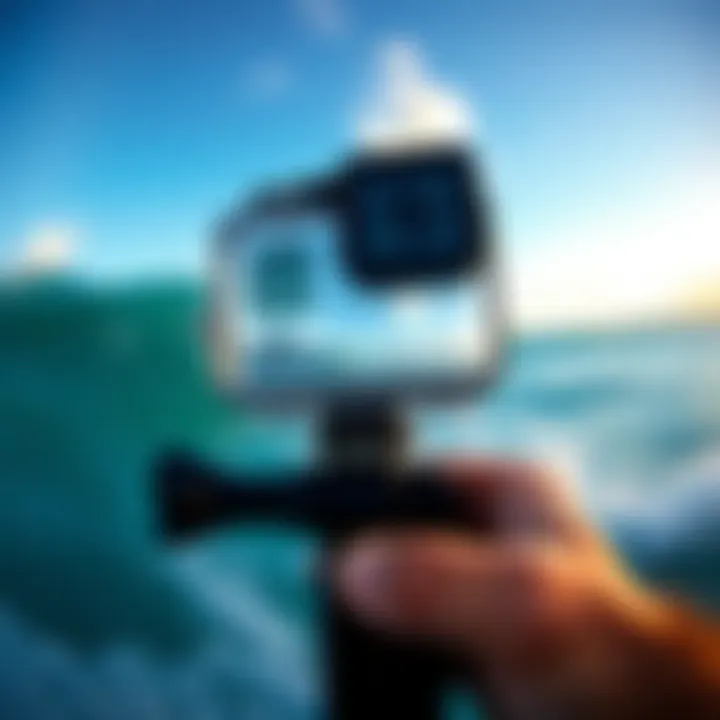
"The way I can document my rides has completely transformed. The handheld mount gives me a new perspective on my performance, and it helps share my passion with the world." - Kelly Slater
Insights from Amateur Filmmakers
Amateur filmmakers, those who shoot surfing footage for fun or as a hobby, also have a voice that deserves attention. They often bring a fresh perspective to using handheld mounts, capturing not just the sport but also the lifestyle surrounding surfing. One enthusiastic filmmaker shared, "I love how light the GoPro handheld mount is! I can carry it around like it's nothing, and it lets me shoot my friends while they surf.
Here are a few insights offered by amateur users:
- Affordability: Many appreciate that the GoPro system provides a cost-effective option for quality videography. They often find that the investment in the handheld mount pays off quickly when they see the footage quality.
- Learning Curve: While they admit that some learning is involved, they find that tutorials and community forums help flatten that curve. They suggest new users browse platforms like reddit.com for tips on filming techniques and settings specific to surfing.
- Community Sharing: Many amateurs get great satisfaction from sharing their footage online, finding camaraderie with other surfers and filmmakers, which helps them improve through feedback and collaboration.
Effective filming isn’t just about the equipment; it’s about the joy of creation and the connections built through shared experiences on and off the waves.
In summary, the voices of both professional and amateur surfers emphasize that the GoPro handheld mount serves as a bridge between athletes and their audiences, boosting creativity and enhancing the narrative of the surfing experience. This real-world feedback can provide valuable context for anyone looking to elevate their surf filmmaking game.
Common Challenges When Using Handheld Mounts
Using a GoPro handheld mount can be a surfer's best friend, but it isn’t all sunshine and rainbows. Understanding the hurdles you might encounter is essential to maximizing your videography while riding those sweet waves. In this section, we’ll explore two predominant challenges: dealing with water and weather conditions, and battery life considerations. Grasping these issues will allow you to prepare better and capture those unforgettable moments on the water.
Dealing with Water and Weather Conditions
When out in the surf, you can bet that Mother Nature loves to throw curveballs. Water not only poses a threat to your camera's functionality, but it also presents unique filming challenges. Here’s what to keep in mind:
- Lens Fogging: Catching waves in humid or rainy conditions might lead to lens fogging, blurring your footage. A quick tip is to keep silica gels or anti-fog wipes handy.
- Splash and Spray: A finely tuned handheld mount won't protect your GoPro from rogue waves and splashes. Consider using a waterproof case, which shields the camera while still allowing clear recording.
- Wind and Elements: Windy conditions can make holding a mount challenging. You may need to adjust your grip frequently, especially when using it in high winds. Try to film on calmer days or utilize windbreaks like natural barriers or the surfboard itself.
Even with all the challenges water poses, it’s crucial to embrace the elements. It can make for breathtaking shots that resonate with viewers.
Battery Life Considerations
Battery life is another major concern when using a GoPro handheld mount in an outdoor setting. The cold weather, rigorous movement, and constant recording can drain your battery in no time. Here are key points to bear in mind:
- Temperature Sensitivity: Cold weather can significantly affect battery performance. If it’s chilly out, keep the spare batteries close to your body warmth until ready to use.
- Length of Filming Sessions: Long surfing sessions will naturally chew through battery life. Plan your shoots accordingly, capturing highlights instead of every single wave to conserve energy.
- Use of Battery BacPac: If you plan on lengthy shooting, consider adding a battery BacPac. This nifty accessory provides extra power, giving your GoPro a longer running time.
Ultimately, addressing these common challenges will allow you to optimize your handheld mount strategy, resulting in high-quality footage that reflects the thrill of surfing. Being proactive in dealing with water conditions and managing battery life will yield a smoother and more enjoyable filming experience.
"The ocean is a mirror reflecting our tenacity. Every wave is a chance for something spectacular, but we need to be ready for the ride."
- A seasoned surfer
Prepare yourself, and don’t shy away from the trials of handheld filming. After all, capturing the essence of surfing is worth every effort.
Comparative Analysis of Alternative Mounts
In the world of surf videography, capturing the essence of riding the waves goes beyond just having a reliable camera. The choice of mount can drastically influence the outcome of your footage. This section takes a closer look at alternative mounts – particularly chest mounts and pole mounts – which might either complement or compete with the handheld mount. Understanding these different options can help you choose the best gear for your style and needs when surfing.
Chest Mounts vs. Handheld Mounts
When it comes to filming your surf sessions, chest mounts and handheld mounts each serve their own purpose and have their pros and cons.
- View Perspective: A chest mount, like those offered by GoPro, typically provides a first-person point of view, which offers an immersive look at your paddling and riding style. This can be especially captivating during action shots. In contrast, handheld mounts let you control the angle and distance of your shot more dynamically. You can easily tilt or rotate to capture the energy of both yourself and the wave.
- Stability: While chest mounts can provide a steady shot, they can sometimes bounce or sway, especially in turbulent water. Handheld mounts, on the other hand, allow for more control when stabilizing your camera work. The user can easily adjust position and grip to get smoother, more fluid capture.
- Portability: Chest mounts are hands-free and ideal for surfers who want to focus entirely on riding. However, some folks might find them restrictive, limiting upper body movement. Handheld mounts, while they require an extra hand, can be stored away more easily after a session, allowing for greater flexibility when surfing.
- Usability: Chest mounts often feel natural when filming your perspective on a surfboard. However, for those just starting, understanding how to set the right angles can be challenging. Handheld mounts require more practice to make sure you're getting optimal shots, but they also offer potential for creativity.
Both types of mounts wear their unique strengths and weaknesses. They can serve distinct purposes depending on how and what you are trying to capture on your surfing adventures.
Pole Mounts for Extended Reach
Pole mounts represent yet another tool in the kit for capturing surf experiences. They are particularly useful when you aim to extend your filming reach and create dramatic perspectives. Here’s how they stack up:
- Versatile Angles: A pole mount allows you to extend your reach far out from the surf, providing grand vistas of incoming waves or the landscape beyond. This creates a different style of cinematic view – showcasing not just the surfer but the vastness of the ocean.
- Distance Management: While they offer a longer reach, one has to be cautious about control and stability. Strong winds and ocean swells may make it tricky to get steady footage. Mastering the use of a pole mount requires practice and sometimes, additional weights to ensure steadiness.
- Creative Shots: With a pole mount, surfers often create more dynamic shots, pulling off sweeping, aerial-like footage. However, these shots require spatial awareness to make sure no one gets caught in the frame unexpectedly.
- Discussion Point: Surfers often engage in conversations about the benefits and drawbacks of pole versus handheld mounts. Each serves as a valuable tool, but what works well for one might not suit another. Ultimately, it all comes down to what kind of story each surfer wants to tell with their videos.
Maintenance and Care for Your Handheld Mount
Keeping your GoPro handheld mount in top shape is essential for getting the most out of your surfing adventures. Regular maintenance prevents wear and tear that can affect the performance and longevity of the mount. A well-cared-for mount ensures it’s always ready to capture those epic wipeouts or perfectly executed aerial maneuvers without a hitch. Neglecting even minor maintenance might lead to mishaps on the water, and that’s the last thing you want when you're riding the waves.
Cleaning Techniques
After a day at the beach, your gear will undoubtedly face sand, saltwater, and even some uninvited goo from snacks or sunscreen. Here are some good practices to help you keep your handheld mount looking spick-and-span:
- Rinse with Fresh Water: Before doing any thorough cleaning, make a habit of rinsing the mount with fresh water immediately after use. This simple step helps prevent salt deposits and sand from causing damage.
- Soft Cloth Wipe Down: Use a microfiber cloth to gently wipe down the surfaces. This cloth will effectively pick up dirt without scratching your gear.
- Mild Soap Solution: For tougher grime, mix a little dish soap with water. Apply it using a soft cloth, and make sure to get into all those nooks and crannies, especially around the joints and mounts.
- Dry Thoroughly: After rinsing or wiping, ensure the mount is entirely dry before storing it. Even minor moisture can lead to issues over time, particularly when mixed with sand.
Regular cleaning will not only extend the life of your mount but also ensure that your shots remain crystal clear every time you click the record button.
Storage Recommendations
When your mount isn’t in use, proper storage can make all the difference in maintaining its condition. Here are some effective tips for storing your handheld mount:
- Use a Protective Case: If your mount came with a protective case, or if you can get a suitable one, be sure to use it. This adds a layer of protection against impacts and prevents dust buildup.
- Avoid Extreme Temperatures: Store your mount in a cool, dry place away from direct sunlight. Extreme heat, like leaving it in a car on a sunny day, can warp components or degrade materials.
- Check Before Use: Before heading out to surf, take a moment to check your stored mount for any signs of wear or damage. This quick inspection could save you from a disappointing day of filming.
- Keep Away from Humidity: If you live in a humid area, consider using silica gel packets in the storage case to absorb excess moisture.
By incorporating these maintenance and storage practices into your routine, you’re setting yourself up for success when it comes time to hit the waves and capture unforgettable moments. For further reading on camera care, you might find resources like Wikipedia and Britannica insightful.
Future Innovations in Handheld Mount Technology
As technology continues to advance at a breakneck speed, the realm of handheld mounts for action cameras, particularly for the GoPro, is no exception. These innovations are not just bells and whistles; they have the potential to revolutionize how surfers capture and share their experiences. Let’s dive into what the future holds for handheld mounts.
Trends in Action Camera Features
The action camera segment is witnessing a surge in innovative features that cater to the specific needs of users, especially surfers who require durability and performance in demanding environments. Some emerging trends include:
- Enhanced Stabilization Technologies: With the introduction of advanced algorithms and gimbal-like mechanisms, future mounts may soon offer unprecedented stabilization capabilities. This would ensure that even the bounciest rides won't lead to shaky footage.
- Smart Connectivity: Next-gen mounts will likely enhance integration with smart devices. Imagine controlling your GoPro from a distance or previewing recordings through augmented reality — it could significantly heighten creative opportunities.
- Modular Designs: Future handheld mounts may feature modular components, allowing users to swap out parts for different filming needs. Whether it's a longer grip for high-angle shots or interchangeable bases for various surfaces, this flexibility would be a boon for avid surfers.
"The intersection of creativity and technology is where the magic happens, allowing surfers not just to ride waves but also express their passion through remarkable videography."
Emerging Filming Techniques
The way surfers capture footage is bound to evolve with the innovations in handheld mounts. New filming techniques are already beginning to surface, and as technology advances, we can expect:
- Dynamic Framing: Using mounts with adjustable angles will enable surfers to easily change perspectives mid-wave. One moment capturing the crest of the wave, the next, the underwater shots as they dive through the surf.
- Time-Lapse and Slow Motion: Enhanced camera capabilities will allow for more sophisticated filming techniques. Time-lapse sequences of sunsets or slow-motion captures of epic wipeouts can enrich the storytelling aspect of surfing.
- Interactive Filming: Features such as gesture controls could enable surfers to start and stop recording or switch angles without fumbling with buttons, allowing them to focus more on their performance than their equipment.
In summary, the future of handheld mount technology is promising, with trends in action camera features offering enhanced capabilities and emerging filming techniques paving the way for creative storytelling within the surfing community. As these innovations become available, surfers will have all the tools they need to elevate their footage and share their experiences with the world.
Epilogue: Maximizing Your GoPro Experience
As we reach the end of this exploration into handheld mounts for GoPro cameras, it’s clear that understanding how to leverage these tools can greatly impact the quality of surf footage. For surfers, capturing the essence of carving through waves and the vibrant energy of the ocean is not just about point-and-click; it's about maximizing the potential of your equipment to produce visuals that resonate with viewers and convey the adrenaline of the sport. The handheld mount empowers users to achieve that goal by combining stability with creative filming techniques.
Reflecting on Filming Potential
The ability to document your surfing achievements, whether it’s a thrilling ride or an epic wipeout, holds immense value for enthusiasts. A GoPro handheld mount presents various filming capabilities that can transform ordinary moments into extraordinary narratives. Surfers can experiment with angles and perspectives, turning each wave into a story worth sharing. Each shot has the potential to capture not just the act of surfing itself but also the emotions tied to them—victories, challenges, and the sheer joy of being in the water.
Consider using slow-motion features to accentuate your skills as you glide through the surf or vibrant colors captured at sunrise that can frame the natural beauty around you. These aspects, when executed well, can elevate not just personal video archives but also enhance your online presence as a content creator.
Encouraging a Creative Approach
Creativity is paramount in filmmaking, and handheld mounts allow for an unprecedented level of freedom. Think outside the box—try different angles while riding, but also consider incorporating pre-capture ideas, such as slow-motion sequences of yourself preparing to paddle out. These clips can give viewers insights into the surfing lifestyle, enhancing the storytelling aspect of your videography.
Here are a few tips to foster creative filming:
- Utilize Movement: Experiment with the handheld mount while walking on the beach or moving around to capture candid moments.
- Take Advantage of the Environment: Use natural light and coastal backdrops for stunning visuals that tell a richer story.
- Engage Audience Emotion: Don’t shy away from capturing the raw feelings of a surf session—elation, frustration, triumph.
- Collaborate: Work with fellow surfers or filmmakers to add dynamic angles and varied perspectives that can greatly enhance content quality.