Choosing the Perfect Length for Your SUP Paddle
Intro
Finding the right length for your stand-up paddleboard paddle can seem like a puzzle, but it's one that can dramatically improve your experience on the water. It's not just about aesthetics—having the proper paddle length ensures you get the most out of your paddling performance. Whether you're zipping across a serene lake or carving through the waves at your local surf spot, the correct paddle length enhances both efficiency and comfort.
As we journey through this guide, we will break down various elements affecting the choice of paddle length, exploring how factors like your height and ability level come into play. We’ll also consider the paddle materials available, their designs, and how these choices can elevate or hinder your experience. By focusing on the unique aspects of paddle customization, you'll be equipped to make educated choices that align perfectly with your style and skills.
Now, grab your gear and let’s dive into the intricacies of paddle selection.
Surfing Techniques
Beginner Tips for Getting Started
Starting on a stand-up paddleboard can be a thrilling yet daunting endeavor. For beginners, mastering the basics is key to building confidence and skill on the water. Here are some foundational tips to get you paddling like a pro in no time:
- Paddle Height: The paddle should generally be about six to eight inches taller than you when standing. This height allows for comfortable strokes and minimizes strain on your body.
- Grip Technique: Hold the paddle with one hand on the shaft and the other on the T-grip completely upright. This grip maximizes force with each stroke.
- Posture: Stand with your feet shoulder-width apart and knees slightly bent. This stance provides stability and balance while paddling.
- Stroke Technique: Use your core rather than your arms to paddle. A solid core engages your back and legs, making the whole experience more synchronized and enjoyable.
Advanced Maneuvers and Tricks
For those looking to step up their game, mastering advanced maneuvers can elevate your paddling experience. Some techniques you'll want to explore include:
- Sweep Stroke: This curved stroke is perfect for turning your board. Initiate the stroke at the nose of the board and finish at the tail, using your body for power and control.
- Reverse Stroke: To slow down or steer backward, place the paddle in the water near the tail and pull towards the front. This helps manage speed while navigating through tight areas.
- Changing Stance: Switching your stance from parallel to staggered can assist with balance in choppy water. This technique is also useful when you need to increase speed.
Remember, practice makes perfect. The more you paddle, the more intuitive these movements will become.
Paddle Length Considerations
When thinking about paddle length, several factors come into play that goes beyond just a quick measurement. Acknowledging these elements can ensure a paddle that suits your specific needs:
Paddler Height
Height often provides a starting point for determining paddle length. Shorter individuals may find longer paddles cumbersome, while taller individuals might struggle with shorter paddles, impacting their ability to paddle effectively.
Skill Level
As paddlers become more experienced, the need for customization reflects in their paddle choice. Beginners can settle for factory sizes, while seasoned paddlers may require shorter paddles for quicker, more dynamic strokes.
Intended Use
Simply put, are you wandering through calm waters or tackling ocean swells? Your intended activities shape your paddle needs. For racing and touring, a longer paddle might aid in speed, whereas a shorter paddle can enhance control in surf environments.
Materials and Designs Affecting Performance
The paddle's construction material and design also considerably influence paddle length preferences:
- Aluminum vs. Carbon Fiber: Though aluminum paddles are often heavier, they are durable for beginners. In contrast, carbon fiber paddles are lightweight and preferred by those seeking performance.
- Blade Shape: The paddle blade's width and shape can change how much water you catch and the effort it takes to stroke, thereby influencing preferred paddle lengths.
- Adjustable Paddles: These offer flexibility for varying conditions or users. Investing in an adjustable paddle can be a wise decision, particularly for families or multi-user scenarios.
End
In summary, the ideal length of your stand-up paddleboard paddle is shaped by multiple factors, ranging from your height and skill to the type of paddling you're doing. Emphasizing personal preferences can have profound impacts on your performance and enjoyment. Remember to keep experimenting with different lengths until you find the one that feels just right. As you navigate the waters, may you find freedom, strength, and a sense of belonging.
For more detailed advice, check resources from reputable outdoor organizations or discussion forums like reddit.com or facebook.com, where fellow paddleboard enthusiasts exchange personal experiences.
Understanding Paddle Length
When it comes to stand-up paddleboarding, selecting the right paddle length can make a world of difference. The paddle is not just a tool; it is an extension of your body that connects you to the water. Understanding paddle length is crucial for enhancing your performance and comfort during your adventures on your board. A paddle that’s too short or too long can lead to inefficient strokes, unwelcome fatigue, and even discomfort.
Importance of Paddle Length
The significance of paddle length cannot be stressed enough. For one, it directly influences your paddling efficiency. A properly sized paddle allows for smoother, more effective strokes, whether you're gliding across a calm lake or battling through waves. If your paddle is too short, you risk bending your knees excessively while paddling, which can lead to an awkward posture and a higher likelihood of injuries. Conversely, a paddle that’s too long can put unnecessary strain on your shoulders and arms, leading to fatigue or even possible injuries over time.
Additionally, each paddler possesses unique physical characteristics, such as height and arm length, which need to be considered when determining the ideal paddle length. As the saying goes, “One size fits none”; hence, personalized paddle selection is fundamentally important.
Moreover, paddle length plays a critical role in your ability to maneuver and balance on the board. With the right length, you can maintain stability and agility, crucial elements whether you are looking to tackle choppy waters or find a relaxed rhythm in flat conditions. Notably, using an appropriate paddle length can also positively impact your overall experience, transforming a challenging outing into an enjoyable one.
General Guidelines for Length
When contemplating what paddle length you should go for, a few general guidelines serve as a starting point:
- For flat water boarding, a good rule is to choose a paddle that is roughly 8 to 10 inches taller than your height. This length allows for a comfortable reach and effective stroke while maintaining balance.
- For surfing, you might consider reducing the length by around 6 to 8 inches. Shorter paddles allow for quicker directional changes and improved maneuverability, essential when riding waves.
- For touring, a more extended paddle that is about 10 to 12 inches taller than you can help cater to longer strokes, maximizing efficiency over greater distances.
Remember, these guidelines aren’t chiseled in stone. You may need to adjust according to your personal preferences and the specific conditions you find yourself in. Take note of what feels comfortable as you explore the waters.
By understanding paddle length's importance and having some general guidelines, you can set yourself up for a rewarding paddleboarding experience. The next sections will delve into specific factors that influence paddle length, ensuring you find the best fit for your style and environment.
Factors Influencing Paddle Length
Paddle length might seem like a simple choice at first glance, but it’s a decision that can really affect your experience on the water. A paddle that’s the right length can help you maintain balance, efficiency, and overall comfort. The intricacies of paddle length go beyond just picking a number off a chart; various factors affect what’s best for you. Understanding these nuances is crucial for both budding enthusiasts and seasoned surfers.
Paddler Height Considerations
One of the most significant factors in choosing your paddle length is your height. It's a pretty straightforward correlation: the taller you are, the longer your paddle should be. A good rule of thumb is that your paddle should reach somewhere between your chin and the top of your head when you stand it upright beside you.
However, this isn’t a one-size-fits-all approach. If you’re an avid paddler, don’t just rely on your height alone. Come down to the nitty-gritty and think about your arm length and reach as well. Those with longer arms might find that a slight adjustment upwards can enhance their strokes. Conversely, if shorter paddlers opt for a longer paddle, they might experience strain, which could dampen the joy of an otherwise serene experience on the water.
"Choosing the right paddle length isn't just about height; it’s about finding the balance that feels right for you."
Experience Level Implications
Your experience level can play a crucial role in determining paddle length too. Beginners often benefit from a slightly longer paddle to provide stability and ease of use. As you get the hang of it, you can start experimenting with shorter paddles, which offer more control and finesse for agile strokes.
Experienced paddlers frequently adjust their paddle length based on the intensity of their activity. For instance, if you’re planning to ride waves, a shorter paddle can improve your maneuvers, allowing you to pivot and turn quickly. Conversely, when gliding on calm water, a longer paddle might help generate more power with less effort. Always consider your skill level and paddling style to select the best length for your journey.
Intended Use of Paddle
The intended use of your paddle is pivotal and worth a deeper dive. What do you plan to achieve out there on the water: leisurely paddling on calm lakes, slicing through oceanic swells, or long-distance touring? Each scenario demands a careful look at paddle length to optimize performance.
- Fitness Enthusiasts: If you’re using your paddle as a full-body workout tool, a longer paddle can allow for deeper strokes, engaging more muscles.
- Touring: For longer distances, a paddle that’s too short can become tiring quickly. A length that aligns with your height can aid in maintaining an efficient stroke over time.
- Surf: Shorter paddles are often favored here, as they improve maneuverability and allow for swift changes in direction.
Choosing a paddle length isn’t simply a mechanical decision; it’s an art compounded by your personal preferences and the surfing environment.
By taking into account these key aspects—your height, experience level, and intended use—you round out a clearer picture of what your perfect paddle length might be.
Paddle Materials and Design
Understanding the materials and design of stand-up paddleboards is essential for every surfer looking to enhance their experience on the water. The right combination of materials not only contributes to performance but also influences the overall comfort and efficiency of paddling. By exploring these aspects, paddlers can select a paddle that complements their unique style and the conditions in which they plan to paddle.
Types of Paddle Materials
When it comes to paddle materials, there are a few main options on the table, each offering distinct advantages:
- Aluminum: This material is often the go-to for those just starting out. Aluminum paddles are affordable and durable, albeit a bit heavier than other options. They’re perfect for folks who want a solid paddle without breaking the bank.
- Fiberglass: A step up from aluminum, fiberglass paddles are lighter and more responsive. Many paddlers notice a significant improvement in performance once they switch to fiberglass. This option strikes a fine balance between durability and weight, making it suitable for intermediate and advanced users.
- Carbon Fiber: Known for its lightweight and high strength-to-weight ratio, carbon fiber is a favorite among seasoned paddlers. This material allows for quick, powerful strokes, making it ideal for racing or long-distance paddling. Of course, it comes with a steeper price tag, but serious enthusiasts often consider it a worthy investment.
- Wood: Don’t overlook wood! While it may not be as common in the paddling world, wooden paddles have a certain aesthetic appeal and can be surprisingly lightweight. They’re often chosen for their unique look but require more upkeep than synthetic options.
Each material has its own set of pros and cons, so understanding your paddling intentions can help you make an informed choice.
Effects of Blade Design on Length
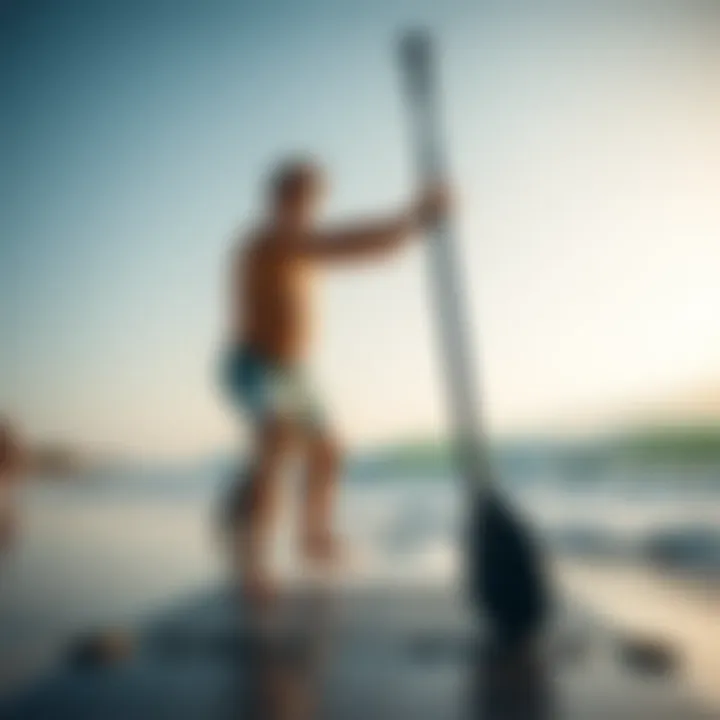
Now, let’s talk about how the blade design impacts paddle length. It might seem like a trivial detail, but the shape and size of the blade can drastically change the paddling experience. Here are a few key considerations:
- Blade Size: Wider blades generally provide more power per stroke but require stronger strokes to handle properly. If you opt for a big blade, consider choosing a shorter paddle length to maintain proper technique and minimize fatigue. Conversely, a narrower blade can be more forgiving, allowing longer paddle lengths to be more effective.
- Blade Shape: The contour of the blade, whether it be elliptical or rectangular, will affect how the paddle enters and exits the water. A scoop-shaped blade can enhance stroke effectiveness by optimizing water displacement but may require more precise paddle length adjustments.
- Surface Area: More surface area means more resistance in the water. If you're working with a paddle that features a larger blade, shorter paddles might be more beneficial, allowing you to maintain efficiency while reducing strain on your shoulders.
"The right paddle can make all the difference—a well-balanced design offers both comfort and control, paving the way for an enjoyable experience."
If you wish to dive deeper into this subject, consider checking out resources from reputed sites such as Wikipedia or the American Canoe Association for more detailed materials and design insights.
Customizing Your Paddle Length
Customizing paddle length is a pivotal aspect of optimizing your stand-up paddleboarding experience. It goes beyond mere comfort; it's about tailoring your equipment to match your personal style, skill level, and the conditions of the water you plan to navigate. When you have the correct paddle length, every stroke becomes more efficient, reducing fatigue and enhancing overall performance. This personalization allows you to adapt more fluidly to the environment, be it a calm lake or choppy waves. As a paddler, knowing how to tailor your paddle can significantly affect your enjoyment and effectiveness on the water.
Adjustable Paddle Options
Adjustable paddles are a practical solution for paddlers seeking flexibility in their equipment. These paddles usually come with a mechanism that enables you to change the length easily. It’s like owning a Swiss Army knife; you get multiple uses from one tool.
- Benefits: The most significant advantage of an adjustable paddle is the ability to share it with friends or family of varying heights. This versatility is ideal for group outings where not everyone has invested in their own gear. Moreover, adjustable paddles can be fine-tuned for different conditions, lending themselves to better performance in either flat water or surf.
- Considerations: When opting for an adjustable paddle, make sure to consider the ease of adjustment and the mechanism's reliability. You won't want your paddle slipping down mid-stroke, which can lead to an inaccurate paddling technique. Look for paddles branded with quality components that assure durability over time.
Cutting Down a Fixed Paddle
Sometimes, your journey might lead you to a fixed-length paddle that just doesn't hit the mark. Instead of letting it gather dust in your garage, consider cutting it down to your ideal size. While this may sound like a daunting task, it can empower you to create a paddle that feels custom-made.
- The Process: When cutting down a fixed paddle, it's essential to measure carefully. Start by holding the paddle next to your body, following the height guidelines you’ve researched. After determining your right length, mark the spot with a marker. Using a fine-toothed saw or a pipe cutter, you can cut through the shaft with steady hands. Keep in mind that you may need to adjust the grip and secure the blade back into place after you make your cut.
- Important Tips: Remember that once you cut a paddle, it’s irreversible. So do your homework — perhaps even seek advice from experienced paddlers. A miscalculation could leave you with a paddle that’s too short, which will not perform well at all. It's often a good idea to test different lengths with a temporary setup before taking the plunge.
"Customizing your paddle length can make a world of difference in your comfort and efficiency while on the water, allowing you to get the most out of each paddling session."
Wikipedia, can provide additional insights into the technicalities of paddle construction and design. Dive into this personalization to elevate your stand-up paddling adventures.
Adapting Paddle Length for Conditions
Choosing the right paddle length isn't just about fitting it to your height or style; it’s also about adapting to the conditions you'll tackle. The water can be a fickle friend; it changes moods just like the weather, and your paddle needs to be on the same wavelength. Having the right length can make all the difference between a smooth ride and a challenging session, so let’s break it down into specific adjustments that might just enhance your experience.
Surf vs. Flat Water Adjustments
For paddling in flat water, you have the luxury of a more leisurely pace. A longer paddle can really shine here, offering better reach and allowing for a more efficient stroke. If you think about it, when you’re gliding along calm lakes or rivers, you want to maximize each paddle stroke to keep your momentum flowing.
On the flip side, surfing demands a different approach. The waves require agility and quicker movements, not to mention the need for quick paddling to catch that perfect swell. In this case, a shorter paddle makes for faster, more responsive strokes that let you maneuver with ease. If you’ve ever tried going for a wave with a long paddle, you might find it cumbersome, perhaps feeling like you're trying to dance in knee-deep water. Here are some keys to consider:
- Flat Water: Opt for a paddle about 8 to 10 inches taller than your height to give you that comfortable reach.
- Surf: Choose a paddle that’s around 6 to 8 inches taller than you, making those frantic paddle strokes less of a hassle.
One of the often overlooked aspects is how your paddle’s length can affect your balance on the board. A longer paddle may give power, but if you’re on choppy waters or surfing, that extra height can throw off your center of gravity. Thus, it's crucial to assess your style and the day's conditions before hitting the water.
Wind and Currents Considerations
Wind and currents are like uninvited guests crashing your paddleboarding party. They can quickly turn a peaceful outing into an exhausting battle. Here’s where the adaptability of your paddle length can really come into play.
In windy conditions, a shorter paddle may prove more effective. With gusty winds trying to snatch you away, having a paddle that keeps you closer to the board provides better control. The closer you are, the less lateral force you feel, allowing you to maintain your line without being pushed around.
Meanwhile, dealing with strong currents can be a different animal. A longer paddle might be to your advantage here, giving you that added leverage to dig deep into the water and propel yourself forward against the flow.
Bear in mind:
- In the Wind: Shorts paddles help increase control and stability.
- Against Strong Currents: Longer paddles allow for deeper strokes, giving you the strength you need to navigate effectively.
Adapting your paddle length according to conditions can make your time on the water enjoyable instead of exhausting. It’s about finding the perfect wager with nature, so the next time you head out, take a moment to assess what the water has in store for you.
“Adjusting to the unique features of the water can be your hidden advantage for a much smoother paddle experience.”
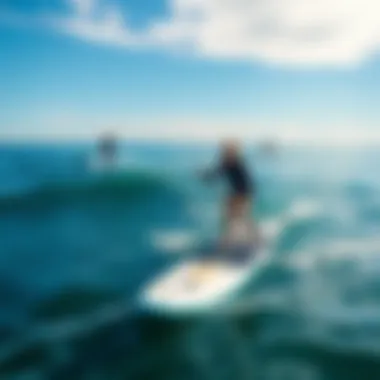
While it might seem like a nuanced discussion to some, getting familiar with these factors can really make waves in enhancing your paddleboarding experience.
Common Mistakes in Choosing Paddle Length
Choosing the right paddle length goes beyond just measuring and guessing. A few common pitfalls can make a significant difference in your experience on the water. Recognizing these missteps can ultimately enhance performance and comfort, helping paddlers navigate the waters with precision.
Overlooking Personal Preferences
Every paddler has their unique style and technique, which means a one-size-fits-all approach is far from ideal. Frequently, beginners might default to recommendations without considering how they personally feel with a paddle. For instance, some might prefer a slightly longer paddle for a more powerful stroke, while others might find a shorter paddle more manageable, aiding in control during quick maneuvers.
"Your paddle should feel like an extension of your body, not just a tool."
So, how do you figure out your preference? A good starting point could be to try different lengths. Alot of shops offer paddle testing, where you can try paddles of various sizes. Pay attention not just to performance, but also how your arms feel during extended use. A paddle that’s the right length will lessen strain on your shoulders and back, allowing for more enjoyable outings. Additionally, adjusting your stance and grip can fine-tune your comfort as well. Remember, your paddle is your connection to your board, and it should resonate with your technique.
Ignoring Water Conditions
Water conditions play a pivotal role in paddle length choice and are often overlooked. The distinction between calm lakes and choppy seas is crucial. When paddling in flat water, a longer paddle can promote smoother strokes, providing an efficient glide. In contrast, in rougher waves, shorter paddles can offer a more stable platform, allowing for quicker adjustments.
Moreover, wind can greatly impact your paddle length choice. If you're facing stiff breezes, consider how your paddle interacts with both the wind and water surface. A longer paddle might catch more wind, making for a tiring session.
- Flat Water: Longer paddle for efficient strokes.
- Surf Conditions: Shorter for quick maneuvering.
- Winds: Assess how wind resistance affects your comfort.
By keeping these elements in mind, you not only tailor your paddle length to suit personal needs but also become more adaptable to varying conditions. Each session will reveal its own nuances, helping keen surfers better their skills and enjoy each moment on the water.
Expert Tips on Paddle Length Selection
Choosing the right paddle length can feel like searching for a needle in a haystack for many paddlers. Yet, it's a crucial step that can vastly improve your experience on the water. The right length enhances not just comfort but also efficiency and performance. Let’s dive into some practical tips that can help in selecting the best paddle length for your needs.
Consulting Other Surfers
Engaging with fellow surfers is a powerful way to gather information. These individuals often have hands-on experience that can provide invaluable insights. Whether you’re at the beach or chatting on a forum like Reddit, asking seasoned surfers about their preferences can offer a reality check. They can share details about what works for them based on their height, experience level, and the type of water conditions they usually paddle in. Remember, what fits one person may not fit another, but these discussions can help you narrow down your options. It’s not just about asking around; it’s about tapping into a network of knowledge that’s already been navigated.
Utilizing Test Paddles
If you’re shopping in a physical store, take advantage of the opportunity to test paddles. Many shops offer a demo paddle service that lets you try different lengths and designs right there in the water. This hands-on experience can significantly ease the decision-making process. You'll get a real feel for how the paddle interacts with your strokes and how comfortable it feels overall. In addition, many paddleboarding schools and rental services often have a variety of paddles available for testing, providing a diverse array of options to explore.
Trial and Error Method
Sometimes, a little experimentation goes a long way. Don’t hesitate to try different lengths until you find one that feels just right. This method might involve borrowing friends' paddles or even renting various options to figure out what works for you. It can be a journey filled with ups and downs, but often this approach reveals personal preferences that might not be considered otherwise. Pay attention to how each paddle feels in your hand and how it affects your balance on the board. There’s no rush; take your time finding your ideal match.
"Finding the right paddle length is a personal journey. Each paddler brings unique preferences to the table, and listening to your body is key to improving your experience."
In summary, gathering advice from other surfers, testing various paddles, and experimenting through trial and error are all effective methods for determining the ideal paddle length. Embrace these tips and soon you’ll find your paddle feels less like an extension of yourself and more like a trusted companion on your aquatic adventures.
Culmination
Selecting the right length for your stand-up paddleboard paddle is not just a matter of preference; it is a pivotal aspect that can greatly enhance your experience on the water. This discussion highlighted the crucial elements that influence paddle length, ranging from personal fit to environmental considerations, offering a comprehensive guide to help surfers make informed choices.
Emphasizing Personal Fit
When it comes to paddle length, personal fit emerges as a cornerstone principle. Everyone's physique is unique, and a paddle that works for one person may not be suitable for another. Taking into account your height, arm length, and even your preferred paddling style can significantly improve your comfort and efficiency. For instance, those with longer wingspan might find that a slightly longer paddle allows for smoother strokes, while shorter paddlers may benefit from reduced length for better maneuverability.
Customization here is key. It is advisable to carry out a few tests before settling down with a size. Stand next to your paddle and raise it above your head; if the blade feels natural in that position without much strain, it's a promising sign. Also, don’t hesitate to try out an adjustable paddle if you haven't already; having the flexibility to tweak the length considerably helps in tailoring the experience.
Final Thoughts on Paddle Integration
Integrating your paddle into your overall surfing technique shouldn't be an afterthought. The paddle plays a role that complements not only your board but also your style. A well-fitted paddle allows for better balance and control, influencing your ability to catch waves and navigate currents.
Moreover, consider the harmony between your paddle size and the board width or length. An incongruity in sizes can lead to inefficiencies that could weigh you down, literally and figuratively.
To sum it all up, take the insights shared in this article and apply them as a customized approach to your paddle length selection. Remember, it’s about aligning personal comfort with paddling performance and conditions. The more you engage with your equipment, the better equipped you'll be to truly enjoy your time on the water.
"One size does not fit all – it fits none. Choose wisely for your stand-up paddleboard journey."
For more insights related to paddleboard equipment and accessories, consider visiting sources like Wikipedia on Paddleboarding or diving into communities found on platforms like Reddit to exchange experiences and recommendations.