Kitesurfing Adventures in San Francisco Bay


Intro
Kitesurfing has become increasingly popular in various coastal regions around the world, but few places match the unique vibe and conditions of San Francisco. Renowned not just for its breathtaking views but also for its compelling winds and ocean currents, the city is a magnet for kitesurfing enthusiasts. From the fog-draped Golden Gate Bridge to the vibrant beaches of Ocean Beach and Crissy Field, kitesurfing in San Francisco offers a thrilling combination of adventure and scenery that is hard to match.
But with great waves comes great responsibility. Whether you are planning to take your first steps into this exhilarating sport or are a seasoned pro looking to enhance your skills, understanding the local conditions, the available spots, and the necessary safety measures are essential. In the sections that follow, we will delve into various techniques you can adopt, tips for gear selection, and city-specific nuances that make kitesurfing in San Francisco an experience to cherish.
As we wind through the details, you’ll find information tailored for every level of kitesurfer, thus enriching your knowledge and preparing you for the water's embrace.
Prelims to Kitesurfing
Kitesurfing has become a thrilling pastime that captures the essence of adventure and freedom on the water. This dynamic sport combines aspects of surfing, windsurfing, and paragliding, offering participants the chance to harness the wind's power to glide over waves. For many enthusiasts, kitesurfing isn't simply a sport; it’s a lifestyle. The adrenaline rush felt while soaring above the waves, coupled with the stunning backdrops found in locations like San Francisco, makes this sport truly unique. Understanding kitesurfing is essential not only for those who want to take it up, but also for those who wish to appreciate its cultural significance and the community it fosters.
Defining Kitesurfing
Kitesurfing, at its core, involves a board, a kite, and the ocean. Riders use a large, steerable kite to pull them across the water while standing on a small board akin to a surfboard. It’s a sport where the wind plays a crucial role, dictating the rider's control and movement. This sport can be done in various water conditions, from flat lagoons to choppy open seas, making it a versatile and exciting experience for athletes of all levels.
Kitesurfing allows individuals to mix skill with nature, creating a bond that many describe as meditative. The simplest way to picture it is to think of soaring gracefully through the air while being propelled by nothing but wind. Just imagine the rush when a kitesurfer catches a sizable wave, maneuvers into the air, and performs a trick, all powered by a kite tethered to them. This definition, while straightforward, fails to convey the sheer thrill and satisfaction that comes with mastering the art of kitesurfing.
Evolution of the Sport
Kitesurfing has its origins in the mid-1960s and began to gain popularity in the 1990s. What once started as a relatively obscure activity primarily practiced by outdoor enthusiasts has blossomed into a global sensation that boasts a refined culture and vibrant community.
- 1960s-1990s: The early days saw water enthusiasts experimenting with various kite designs and harnessing techniques. These pioneering individuals laid the groundwork for today’s kitesurfing. Techniques used were often rudimentary and not nearly as safe as what's employed now.
- 1990s Boom: The introduction of inflatable kites revolutionized the sport, making it more accessible and user-friendly. During this time, various companies began producing kites specifically for kitesurfing.
- Present Day: Nowadays, kitesurfing is recognized not only as a recreational activity but also as a competitive sport, featuring in global competitions. Kitesurfing associations have also emerged, offering regulations and safety guidelines to uphold the sport’s integrity.
The evolution of kitesurfing showcases a remarkable journey from niche hobby to mainstream sport, illustrating how innovative design and a passion for adrenaline can transform outdoor activities. As kitesurfing continues to evolve with technology, the foundations laid by early enthusiasts maintain a lasting legacy that inspires new participants to take to the water.
Why San Francisco?
Kitesurfing in San Francisco is more than just a sport; it’s an experience that combines the thrill of gliding over water, the challenge of mastering wind dynamics, and the beauty of the surrounding landscapes. The city offers unique geographic and climatic advantages that make it a hotbed for both novice and seasoned kitesurfers. Understanding why San Francisco is a favored destination for kitesurfing reveals not only the sport’s technical aspects but also the cultural tapestry that surrounds it.
Geographic Advantages
San Francisco’s geography plays a crucial role in fostering an ideal environment for kitesurfing. Nestled between the Pacific Ocean and the San Francisco Bay, the city boasts a variety of launch points with easy access to diverse water conditions.
- The varying water depths and shorelines allow for different skills to be practiced safely.
- Many popular spots are within close proximity to the city, making it an easily accessible destination for both locals and visitors.
- The landmarks like the Golden Gate Bridge or Alcatraz Island provide picturesque views while you ride, making every session a visual treat.
Furthermore, the proximity of the ocean and bay introduces a variety of microclimates. Weather changes can create unique conditions without much warning, keeping riders on their toes and engaged with nature’s whims. In short, San Francisco’s geography enables a wide array of kitesurfing experiences, from calm bay waters to challenging ocean swells.
Wind Conditions
When it comes to kitesurfing, wind is everything. The reliable and diverse wind patterns in San Francisco set it apart from many other locations. Typically, the winds in San Francisco blow consistently during summer, with speeds often reaching 15 to 25 knots. This reliable wind makes it an ideal spot for practicing and mastering kitesurfing.
The wind conditions vary significantly between different spots. For example:
- Crissy Field is celebrated for its steady onshore winds, which provide an excellent training ground for beginners.
- In contrast, spots like Alameda Beach offer more challenging conditions with gusty winds, perfect for advanced riders looking to push their limits.Locals often say, "When the fog creeps in, grab your gear," as it presents some of the best kitesurfing moments.
Understanding these wind dynamics allows kitesurfers to select the right spot for their skill level and preferences, enhancing both safety and enjoyment.
Scenic Backdrops
What truly sets kitesurfing in San Francisco apart are the breathtaking views that accompany each ride.
- Golden Gate Bridge: Picture this: soaring high above the water with the iconic red bridge in your field of vision. It’s not only a major attraction but also a stunning backdrop that adds to the kitesurfing experience.
- Ocean Views: From the expansive Pacific Ocean to the tranquil bays, kitesurfers can gaze at sweeping panoramas while riding. Each spot offers a different facet of the city’s urban landscape, making every session feel unique.
- Nature’s Canvas: The changing colors of sunset reflecting on the water create mesmerizing scenes that many riders cherish.
In essence, the combination of geographical advantages and stunning scenery doesn't just make kitesurfing in San Francisco a mere sporting activity; it becomes an adventure woven into the very fabric of the city’s identity. Each ride, whether swift or steady, connects participants to the natural beauty that surrounds them, enhancing the overall experience.


Popular Kitesurfing Spots in San Francisco
San Francisco offers a variety of stunning kitesurfing locations that attract both locals and visitors. Each spot has its own unique characteristics, making them suitable for different skill levels and preferences. Here’s a closer look at some of the most popular kitesurfing spots in the city, where the combination of wind, water, and breathtaking scenery creates an unforgettable experience for kitesurfers of all stripes.
Nollan Beach
Nollan Beach stands out primarily for its easygoing atmosphere and favorable conditions for beginners. This beach is somewhat sheltered from the strongest winds, offering a more manageable setting for those just starting out in kitesurfing. The sandy shoreline provides a safe launch area, which eases the nerves for newcomers still finding their footing. It’s also less crowded, so one can practice maneuvers without the anxiety of colliding with seasoned pros.
- Beginners Paradise: The manageable waves and breezy conditions offer a perfect training ground.
- Scenic View: With picturesque views of the Pacific Ocean, it's not just a practice spot but also a place to relax afterward.
Apart from practical advantages, the sense of community at Nollan Beach is appealing. Regular kitesurfers often gather in groups, sharing tips and tricks, resulting in a friendly and inviting vibe.
Crissy Field
Adjacent to the Golden Gate Bridge, Crissy Field is perhaps the most iconic kitesurfing spot in San Francisco. The allure of this beach isn't just its stunning views, but also the challenging wind conditions that seasoned kitesurfers crave. The area is known for its consistent winds, making it a prime location for various kitesurfing styles.
- Advanced Techniques: Those looking to sharpen their skills will find valuable training opportunities here.
- Community Events: Crissy Field often hosts local kitesurfing competitions, drawing in enthusiasts from all around.
It’s worth noting that Crissy Field can get quite busy, especially during the summer months, so timing your visits can make a significant difference in your experience.
Treasure Island
Treasure Island offers a unique kitesurfing experience, tucked away in the heart of the Bay. This spot’s characteristic winds and more secluded environment set it apart from the more tourist-heavy locations. The expansive water space allows for plenty of room to maneuver, making it an excellent choice for those looking to practice advanced tricks without the worry of hitting other kitesurfers.
- Less Crowded: The location tends to attract a smaller crowd, which can be a blessing for kitesurfers aiming to hone their skills.
- Urban Backdrop: With the San Francisco skyline as a backdrop, every session feels like an exhilarating escape from the everyday hustle.
Alameda Beach
Alameda Beach rounds out our list of popular spots, offering a mix of windy days and gentle waters. Its spacious layout allows kitesurfers to spread out, minimizing the risk of collisions. This beach tends to have less turbulence than some of the other locations, making it ideal for both novices and more experienced riders who want to take it easy.
- Family-Friendly: With amenities and calmer waters for beginners, it’s a great family outing spot.
- Diverse Experience: The beach caters to various water sports, allowing visitors to diversify their activities.
The combination of all these factors goes a long way in making Alameda Beach a favorable choice for both casual and dedicated kitesurfers.
"Whether you’re just getting your feet wet or are a seasoned pro, San Francisco's kitesurfing spots have something for everyone."
Each of these locations contributes to what makes San Francisco a kitesurfing Mecca. The easy access to varying levels of wind conditions, community support, and striking scenery combine to create an ideal playground for kitesurfers. In the next section, we will cover essential equipment that ensures your kitesurfing experience is as enjoyable and safe as possible.
Essential Equipment for Kitesurfing
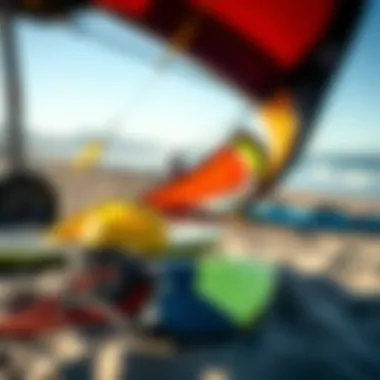
When it comes to kitesurfing, having the right equipment isn’t just a matter of preference; it’s a necessity that can drastically influence your experience on the water. Whether you’re a beginner or seasoned rider, knowing how to choose the right gear can help you navigate challenges, enhance performance, and most importantly, stay safe. In the following sections, we will delve into the crucial types of equipment kitesurfers need, breaking them down into their features and importance.
Kites: Types and Features
Choosing the right kite is fundamental when it comes to kitesurfing, as it's your lifeline when you’re out on the water. Kites come in various shapes, sizes, and designs, each serving specific wind conditions and rider preferences. The most common types include:
- Hybrid Kites: A mix of flat and C-style designs, offering versatility that appeals to most riders.
- C-Kites: Great for experienced riders seeking high performance and agility. They tend to have more power and a quicker response, yet require more skill to handle.
- Delta Kites: Known for their stability in a wide range of wind conditions, they’re often the preferred choice for beginners.
Moreover, kites differ in size, typically ranging from 3 to 20 meters. The larger the kite, the more power it generates, which can be both an advantage and a challenge depending on skill level and conditions. Factors such as wind strength and rider weight also significantly influence the size choice. Always remember: a kite that feels like a feather in one wind can turn to a monster in another. Hence, understanding how features like aspect ratio, quality of materials, and intended use fit your specific needs is vital.
Boards: Choosing the Right One
Once you've settled on a kite, the next piece of the puzzle is the board. Different types of boards cater to different styles of riding. Here’s a closer look at the common types:
- Twin-Tip Boards: Most popular among beginners, these boards are symmetrical, making them easy to ride in both directions. Perfect for trying out tricks!
- Directional Boards: These are designed for riding in one direction, similar to a surfboard. They are usually favored by those interests in wave riding.
- Foil Boards: Emerging technology that lifts you above the water, allowing for an incredibly smooth ride and enabling kiting in lighter winds.
When selecting a board, factors like your weight, skill level, and the type of conditions you’ll be riding in should factor into your choice. Boards vary in size and design, where wider boards provide more stability and narrower options allow for speed and maneuverability. Getting the right board can make all the difference, turning your kitesurfing experience from mildly enjoyable to thrilling and effortless.
Wetsuits and Safety Gear
Last but definitely not least are the wetsuits and safety gear, essential for comfort and protection while kitesurfing. Here’s what you need:
- Wetsuits: These are essential for regulating body temperature in cold water. The thickness of the wetsuit you need will depend on the water temperature, with options available ranging from 2mm shorties for warm weather to 5mm full suits for frigid temperatures.
- Impact Vests: While not mandatory, many riders opt for an impact vest to provide additional protection against falls or collisions. They can make a significant difference when you’re cutting through the waves.
- Helmets and Leashes: Helmets protect your noggin from unexpected impacts, while leashes keep your kite connected to your board, preventing it from drifting away in case of a fall.
As with all gear, making sure that your safety equipment fits well is crucial. A snug fit can provide a sense of security while you focus on your skills and the waves ahead. Investing in good quality gear not only enhances your performance but prioritizes your safety, allowing you to enjoy the exhilarating experience that kitesurfing offers.
Remember, the right equipment can greatly influence not only your safety but also your overall enjoyment of the sport.
Learning to Kitesurf
Taking the plunge into kitesurfing can seem quite daunting at first glance. However, once you break it down, learning this exhilarating sport becomes not only achievable but also immensely rewarding. Understanding how to kitesurf is fundamental in this article because it emphasizes the techniques and knowledge necessary to harness the winds and waves safely and effectively. This section aims to provide a solid groundwork for newcomers while offering valuable insight for those looking to polish their skills.
Finding the Right School
The first step in your kitesurfing journey is selecting the right school. It’s essential to pick a school that suits your learning style and location preferences. In San Francisco, there are several schools each with its own flavor. Some may have a more laid-back approach while others might focus on rigorous techniques right from the start.
When choosing a school, consider the following:
- Instructor Credentials: Make sure instructors are certified and have a wealth of experience teaching kitesurfing.
- Student-to-Teacher Ratio: Smaller groups can mean more personalized attention.
- Location: Look for schools that operate near your preferred kitesurfing spots, like Crissy Field or Alameda Beach.
- Equipment Availability: Modern, well-maintained gear is crucial for effective learning.
A good place to start is through word of mouth or checking out local kitesurfing forums on platforms like reddit.com or social media groups on Facebook. Getting recommendations from fellow enthusiasts can help narrow down the list.
Fundamental Techniques
Understanding the basics is necessary before fully immersing yourself in the excitement of kitesurfing. Initially, you’ll learn how to set up your kite, practice launching and landing, and grasping essential movements on the board. Here are some fundamental techniques every beginner should master:
- Kite Control: Learning to steer your kite in various wind conditions is crucial. Practice flying the kite on land before getting on the water.
- Body Dragging: This skill helps you recover your board after falling. It involves using the kite to pull you through the water without a board.
- Water Start: This is the moment when you transform from body dragging to standing on the board. It involves a combination of kite control and body positioning.
A quote worth remembering:
"The ocean doesn't owe you a thing, but it can offer you everything if you know how to ask."
Mastery of these techniques paves the way for a smooth transition into more advanced tricks and maneuvers.
Practice and Progression
As with any skill, consistent practice is crucial. Kitesurfing requires not only physical skill but also mental acuity. Spend more time on the water, as experience is one of the best teachers. Here are some tips to ensure progress:
- Set Realistic Goals: Instead of aiming for perfection, focus on gradual improvement. Perhaps aim for refining your water starts before attempting jumps.
- Document Your Sessions: Keep a log of what you practiced, what went well, and what you struggled with. This can help track your growth over time.
- Join a Local Community: Engaging with fellow kitesurfers can provide insights, encouragement, and valuable learning opportunities. Many local clubs welcome newcomers and can be found through social media or forums.
Remember, kitesurfing is a continuous journey of improvement. Whether you’re carving up the waves or mastering tricks in the air, the important thing is to enjoy the ride.
Safety Considerations
Kitesurfing is not just about the thrills and the waves; it's also a pursuit that demands a keen understanding of safety. For anyone looking to soar over the waters around San Francisco, taking safety seriously isn’t just beneficial—it’s essential. The complexities of kitesurfing necessitate that you stay vigilant about your surroundings and the conditions. Doing so not only protects you but ensures you don’t inadvertently pose a risk to others on the water.
Understanding Local Conditions
San Francisco is known for its whimsical weather, which can change quicker than you can say ‘kite!’ Knowing the local conditions can be the difference between a great session and a dangerous outing. The unique geography of the coastline and the surrounding hills influences wind patterns significantly.
Here’s a breakdown of what to look for:
- Wind Patterns: Pay attention to local wind forecasts. The city experiences varying wind strengths, often characterized by the famous "California wind" that can pick up in the afternoons.
- Tides: The tides can greatly influence the water level and potentially shift the spots deemed safe for kitesurfing. Always check tide charts before heading out.
- Currents: The waters of San Francisco Bay have strong currents, particularly where rivers meet ocean water. Understanding these can help in making informed decisions about where to practice.
Don’t underestimate the impact of sudden changes in weather on your kitesurfing experience. Stay in tune with local news and always be prepared for the unpredicted.
Essential Safety Measures
Safety gear is your best friend when out hitting the waves. It’s not just about fun; it’s about keeping yourself and others safe. Here are some crucial measures:
- Wear a Personal Flotation Device (PFD): A PFD is essential, especially for beginners or in tumultuous water conditions. It can save your life if you're faced with an unexpected tumble.
- Utilize a Quick Release Mechanism: This feature on your harness allows you to detach quickly in case of trouble, giving you time to swim to safety.
- Safety Leash: Ensure your board is attached to you; a loose board can become a hazard for everyone in the area.
"Kitesurfing is half thrill and half respect for nature. Be aware, be cautious."
- Know Your Limits: Start with smaller kites and work your way up as you grow more comfortable. Overestimating your skill set can lead to unfortunate accidents.
- Stay Visible: Use bright colors for your equipment and wear gear that stands out. This makes it easier for other water-goers to spot you.
By implementing these measures and developing a good grasp of local conditions, kitesurfers can enjoy their time while keeping safety at the forefront of the experience. San Francisco's breathtaking views are best enjoyed when you know how to navigate them safely.
Environmental Impact of Kitesurfing
Kitesurfing, a sport that dances on the line between thrill-seeking and nature appreciation, comes with its own set of environmental considerations. As enthusiasts flock to San Francisco's picturesque beaches, it's crucial to examine how this sport engages with the natural world. Understanding the implications of kitesurfing helps preserve the very ecosystems that provide us with the stunning backdrops for our adventures. There are several layers to this impact, focusing on both the ecological framework and the sustainable practices we can adopt to keep our playgrounds pristine for generations to come.
Ecosystem Considerations
Kitesurfing thrives in wind and water, areas that are often teeming with life. However, the sport can affect local ecosystems in various ways. One critical consideration is how the activity can interfere with wildlife habitats. Species that call the coastal environment home, like seals and certain birds, might be disturbed by the noise and commotion generated by kitesurfers.
Consider this:
- Marine Animals: Kitesurfers may unintentionally disrupt breeding patterns of seabirds or the resting spots of seals on beaches.
- Water Quality: Equipment, particularly the materials used in kites and boards, can release microplastics into the water when not properly maintained.
- Foot Traffic: The increase in foot traffic on sand dunes and wetlands can lead to erosion and habitat destruction. This is especially true in delicate areas, where human presence can create lasting scars on the environment.
Being aware of these influences is the first step toward responsible kitesurfing. Educating oneself about the local wildlife and adhering to designated kitesurfing areas can help minimize disruptions, ensuring that both the sport and nature coexist harmoniously.
Sustainable Practices
To protect the beaches and waters we cherish, adopting sustainable practices in kitesurfing is not just a recommendation, it's a necessity. Here are some actionable ways to contribute positively to the environment:
- Choose Eco-Friendly Gear: Look for brands that prioritize sustainability in their manufacturing processes, using recycled materials and minimizing waste.
- Dispose of Waste Properly: Carry your trash off the beach, and educate others in your kitesurfing community to do the same. Leaving nothing behind helps keep our oceans clean.
- Respect Wildlife: Familiarize yourself with local regulations that protect wildlife habitats. Observing these guidelines ensures we do not inadvertently cause harm.
The Kitesurfing Community
The community surrounding kitesurfing is more than just a group of enthusiasts; it’s a vibrant network that fosters camaraderie and support among its members. In San Francisco, this community thrives, creating an ecosystem where novice and seasoned kitesurfers can share experiences, knowledge, and ultimately, a love for the sport. Building connections is invaluable, especially for newcomers who may find themselves overwhelmed by the technicalities of kitesurfing. Here, friendships can form on the water as easily as on the beach, creating a supportive environment that enhances the experience of kiting in this iconic location.
Local Clubs and Organizations
Local clubs and organizations play a crucial role in the San Francisco kitesurfing scene. These entities are not just about organizing events; they offer essential resources for education and safety. For instance, the San Francisco Kitesurfing Club often arranges workshops, safety courses, and social gatherings. There are other clubs too, such as Bay Area Windsports and Kiteboarding Association of Northern California (KANC), each contributing significantly to the growth of the sport within the regional landscape.
Membership in these clubs can provide access to exclusive events, discounted gear rental, and insurance options. Plus, these communities often maintain active forums, such as those found on reddit.com, where novice kitesurfers can get advice on everything from gear brands to ideal launching spots. It’s a place where shared knowledge transforms the learning curve from steep to manageable, allowing newcomers to quickly find their footing.
Events and Competitions
Events and competitions are where the kitesurfing community really comes alive. San Francisco hosts various local and regional events that draw participants from all skill levels. For example, the San Francisco Kite Festival, typically held around the summer, is a prime opportunity for enthusiasts to showcase their skills and meet like-minded individuals.
Competitions, like the Kiteboard Tour Asia or the American Kiteboarding League events, provide a platform for athletes to compete, but they also serve as a celebration of kitesurfing culture. Participants show off their skills while spectators marvel at the choreography of kite acrobatics against the stunning backdrop of the San Francisco Bay. Not only does this foster a sense of belonging, but it also motivates individuals to push their limits.
Epilogue
Being a part of the kitesurfing community in San Francisco enriches the experience of the sport. Those who engage with local clubs and participate in events will find that they are not just kitesurfing; they are part of a thriving culture that encourages improvement, safety, and fun. This community aspect is what truly makes kitesurfing special in San Francisco, where the winds of the Bay meet the shared passions of its riders.
"The wind is our language, the surf our playground, and together, we create memories that last a lifetime."
For more information about local clubs, look at resources provided by kiteboarding.com and kiteclubs.org. You may also connect with other kitesurfers on social media platforms such as facebook.com for the latest updates on events.
Finale
In wrapping up this exploration, it is crucial to reflect on the significance of kitesurfing in San Francisco. The allure of this activity goes beyond just the thrill of gliding over water powered by the wind. It represents a unique hobby that blends physical fitness, a connection with nature, and a vibrant community spirit. With a city that offers such rich geographic advantages and favorable conditions, kitesurfing resonates deeply with both locals and visitors alike.
The Future of Kitesurfing in San Francisco
The future of kitesurfing in San Francisco looks promising. As the sport gains popularity, the infrastructure and support for kitesurfers are improving steadily. Local organizations are working hard to promote safe practices and environmental stewardship. The advancements in equipment technology continue to enhance the experience, making it accessible for newcomers while pushing the boundaries for seasoned enthusiasts.
Moreover, the rise of events and competitions not only brings the kitesurfing community together but also attracts attention to the sport. The camaraderie found in these gatherings is incomparable. This tight-knit culture encourages new participants, fostering an environment where shared knowledge and skills flourish.
Ultimately, the evolution of kitesurfing here hinges on balancing enjoyment with sustainability. Whether it's adapting to the constantly changing winds or being mindful of the ecological impact, the community is evolving to meet these challenges head-on. The whispers of future adventures in the ever-changing tides are enticing, beckoning newcomers and veterans alike to participate in the dance of wind and water.