Kitesurfing in the Maldives: A Unique Experience

Intro
Kitesurfing in the Maldives is more than just a sport; it's an exhilarating dance with the wind and water. The prospect of flying over turquoise lagoons, gliding effortlessly on glassy waves, while the sun sets in a blaze of colors, evokes a unique blend of adventure and tranquility. With the islands boasting pristine conditions nearly all year round, the allure of kitesurfing is hard to resist. It's important to understand the nuances of this activity, from mastering essential techniques to choosing the right equipment, to ensure both safety and enjoyment.
This article will dive deep into the intricacies of kitesurfing in this tropical paradise. We’ll explore various surfing techniques that cater to both newcomers and seasoned riders, helping everyone get the most out of their experience. Next, we'll delve into surfboard selection, discussing how to pick the right board for your style and the ways to maintain it. We'll also touch on cultural aspects and the environmental impact of kitesurfing, ensuring we appreciate and protect the stunning surroundings around us.
With numerous spots to catch the wind, each promising a different experience, there’s plenty for travelers and enthusiasts to discover. Get ready to unravel the unique kitesurfing adventure that awaits in the Maldives, whether you're a budding rider looking to dip your toes into the sport or an experienced individual searching for new thrills. \n
"In the Maldives, every kitesurfing session becomes a journey, a dialogue between wind and spirit; it’s not just a ride, it’s an escape."
Stay with us as we peel back the layers of this exciting watersport experience.
The Allure of Kitesurfing in the Maldives
Kitesurfing has not just emerged as another watersport; it's become a veritable treasure trove for adventure seekers, and nowhere does this sport shine brighter than in the Maldives. The combination of endless stretches of white sandy beaches and shimmering turquoise waters creates a canvas perfect for kitesurfing. But it’s more than just the picturesque scenery; it’s about the rush of adrenaline, the sense of freedom when gliding over waves, and the unique atmosphere that the Maldives exudes.
Importance of Kitesurfing
The thrill of kitesurfing lies in the delicate dance between wind, water, and skill. The Maldives offers conditions that are almost tailor-made for this sport, with steady winds and consistent weather patterns. This setting isn’t just alluring to seasoned kitesurfers; it invites beginners to try their hand as well. The satisfaction of harnessing the wind and feeling the pull of the kite is exhilarating and can quickly turn novice watersport enthusiasts into lifelong fans.
Benefits of Kitesurfing in the Maldives
Participating in kitesurfing here brings several key advantages. For one, the warm waters and picturesque landscapes create an idyllic backdrop, making every session feel like a mini-vacation. Moreover, the local kitesurfing community often feels more like a family than just fellow enthusiasts. Courses and schools here are well-equipped and staffed by knowledgeable instructors, which enhances both safety and learning.
Considerations to Keep in Mind
Be mindful that the weather can be unpredictable; therefore, having a flexible schedule allows for the best chances of catching the right winds. Also, understanding the local customs and respecting the environment is crucial. The impact of tourism on marine ecosystems should never be overlooked. Thus, engaging in kitesurfing here implies a broader responsibility towards ensuring respect for both nature and the local communities that welcome visitors.
"Kitesurfing in the Maldives isn't just about riding the waves; it's about embracing the spirit of adventure while honoring a delicate paradise."
In summary, the allure of kitesurfing in the Maldives encompasses a range of factors, from breathtaking scenery to excellent conditions and a strong community. This makes it an irresistible option for anyone seeking to blend excitement with the beauty of one of the world's most famous tropical destinations.
Overview of Kitesurfing
Kitesurfing is a sport that combines aspects of surfing, paragliding, and windsurfing. It involves riding a small board while being pulled by a large kite. This unique blend gives riders the ability to perform tricks, jump above the waves, and glide swiftly across the water. Its growth has expanded globally, but the appeal remains strongest when practiced in locations that provide calms and predictable winds, often found around atolls like those in the Maldives.
Key Components of Kitesurfing
- The Kite: This is the heart of the sport. Kites vary in size and type depending on the wind conditions and skill level of the rider.
- The Board: Riding boards also vary; some are designed for speed and tricks, while others are long and stable for beginners.
- Harness: A comprehensive list of gear wouldn’t be complete without mentioning the harness, which connects the kitesurfer to the kite, allowing for ease of control.
Overall, grasping the fundamental mechanics of kitesurfing sets the stage for a rewarding experience.
Why Choose the Maldives?
The Maldives stands apart as a premier destination for kitesurfing due to its combination of environmental factors, social aspects, and unique experiences it offers.
Natural Attraction: The idyllic weather with consistent winds throughout the year makes kitesurfing a viable sport on most days. The calm lagoons created by the surrounding reefs are perfect for all levels of riders, from beginners to seasoned pros.
Cultural Experience: Beyond the sport itself, you're immersing yourself in a rich culture that marries beautiful landscapes with welcoming communities. The opportunity to engage with local kitesurfing schools provides insights into the sport’s growth within the region and fosters connections that go beyond simple tourism.
Sustainability: As awareness of environmental impact grows, more kitesurfing schools in the Maldives are adopting sustainable practices. This includes education on marine conservation, ensuring that every trip we make as kitesurfers helps protect the ecosystems we enjoy.
When you weave together stunning natural beauty, ideal kitesurfing conditions, and a vibrant local culture, it becomes clear why kitesurfing in the Maldives is more than a sport; it's an experience you won't forget.
Ideal Locations for Kitesurfing
Choosing the right location for kitesurfing can make all the difference in an enthusiast's experience. The Maldives, with its stunning landscapes and strategic wind patterns, offers several prime spots for both seasoned kitesurfers and beginners. This section discusses some of the best atolls, leading kitesurfing schools, and seasonal wind conditions that are essential for making the most of your kitesurfing adventure.
Best Atolls for Kitesurfing
The Maldives is home to numerous atolls, each boasting crystal-clear waters and breathtaking scenery. If you're searching for the perfect wave or consistent winds, consider these standout atolls:


- Hudhuranfushi Atoll: Known for its strong wind conditions, this atoll offers a good mix of flat water and waves, making it ideal for various skill levels.
- Nassimo Atoll: Butter-smooth lagoons and fantastic wind resources characterize this stunning locale. The vibrant coral reefs add an additional draw for many.
- Thulusdhoo Atoll: Famous for its excellent surfing spots, you can also find kitesurfing opportunities here. The waters are calm, and the wind patterns tend to be steady, creating an optimal environment for riding.
Each of these atolls, along with others, provides unique pockets of paradise where kitesurfers can really show off their skills.
Top Kitesurfing Schools
Selecting the right school can pivotal for beginners looking to get the hang of kitesurfing. Here are a few recommended schools that offer quality instruction in safe environments:
- Kitesurfing Maldives: Located in Ithaa and staffed by experienced instructors, they cater to both beginners and advanced riders, ensuring personalized instruction.
- Extreme Maldives: Situated in Thulusdhoo, this school focuses on safety while teaching you kitesurfing basics through advanced techniques.
- Wind Surfing Maldives: They offer kitesurfing lessons and rental equipment at various locations, catering to all skill levels with a focus on fun and safety.
Getting a good foundation in kitesurfing or improving your skills can be greatly aided by these institutions, setting you on a path to enjoying this thrilling sport.
Seasonal Wind Conditions
Understanding the wind conditions is crucial for any kitesurfer. The Maldives experiences two primary wind seasons:
- Northeast Monsoon (November to April): During these months, sailors can expect stronger winds. The steady northeast trade winds provide good conditions for kitesurfing, possibly reaching up to 25 knots. This is the high season for kitesurfing, attracting enthusiasts from around the globe.
- Southwest Monsoon (May to October): Winds tend to be lighter but can still produce entertaining sessions for those who prefer calmer conditions. During this season, the wind speeds typically range from 10 to 15 knots.
Riders should plan their trips according to these patterns, ensuring they hit the waves at the right time. By making informed decisions on where to go and when, kitesurfers can maximize fun and safety while enjoying the Maldivian waters.
"The thrill of catching a wave in the Maldives is something every kitesurfer should experience at least once in their lifetime."
These diverse landscapes and conditions emphasize why the Maldives is a coveted location for kitesurfing. Navigating through this oceanic paradise not only offers the chance to engage with nature but also to hone kitesurfing skills in an idyllic setting.
Essential Gear for Kitesurfing
When it comes to kitesurfing, having the right gear isn't just a luxury; it's a necessity. The gear you choose can make or break your experience on the water. In the Maldives, where the winds are capricious and the waters inviting, investing in personal gear tailored to your needs is essential. Here, we will talk about the primary pieces of equipment you'll require to not just enhance your performance but ensure your safety as well.
Kites: Types and Selection
Kites are the lifeblood of kitesurfing. The type of kite you select can significantly affect your ride. Broadly speaking, there are two main types of kites: inflatable kites and hybrid kites. Inflatable kites, which are most common, are known for their stability and ease of use. They are perfect for beginners and tend to be safer in gusty conditions. Hybrid kites, on the other hand, offer versatility but may require more skill to operate effectively.
When choosing a kite, consider the following aspects:
- Size Matters: Kites vary in size, and larger kites generate more power but can be harder to control. A smaller kite is easier to maneuver and generally more suitable for higher winds.
- Wind Range: Different kites perform better at specific wind speeds. Understanding the conditions in the Maldives will help you choose wisely.
- Skill Level: If you're just starting, opt for a user-friendly kite that eases the learning curve without compromising on performance.
Ultimately, selecting the right kite requires knowledge of both your personal experience level and the local wind conditions.
Boards: Choosing the Right One
Just as important as the kite is the board you ride on. Boards come in various shapes and sizes, and the choice can significantly impact your riding experience. The two primary types of boards are freestyle boards and free ride boards.
- Freestyle Boards: Designed for tricks and jumps, these boards are typically lighter.
- Free Ride Boards: More versatile and stable, making them great for a range of conditions.
When choosing a board, keep an eye on the following characteristics:
- Length and Width: A longer board can provide better stability, while a shorter board allows for quicker turns.
- Hull Shape: Different shapes can influence your speed and how well you cut through waves. A pointed nose can often help with tracking.
- Foot Straps: Different options are available, including adjustable straps which can be key for comfort and control.
With the variety of boards available, consider testing a few to determine what feels best based on your riding style.
Safety Equipment
Safety should always be at the forefront of kitesurfing practice. In a place like the Maldives, where conditions can change swiftly, it’s smart to be prepared. Certain safety gear is absolutely crucial:
- Impact Vest: This protective gear not only shields your torso but also provides floatation in case you get tossed into the water.
- Helmet: A good helmet can prevent injuries during unforeseen falls or collisions, especially in crowded spots.
- Leash: A quick-release leash ensures that you maintain control of your kite. Being separated from your gear can create dangerous situations.
- Floating Waist Harness: Beyond comfort, it offers support and can aid in flotation if you find yourself in trouble.
Ultimately, the right safety equipment doesn't just protect you; it enhances your confidence, allowing you to fully enjoy the thrill of kitesurfing.
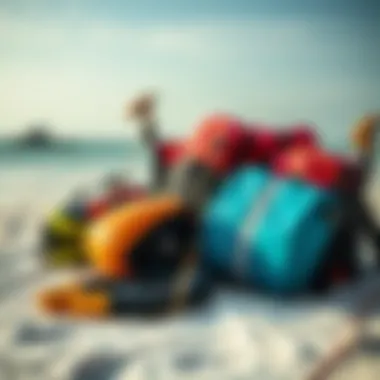
"Preparing your gear is as crucial as mastering your technique. Nothing ruins a perfect day on the water like poorly chosen equipment."
By ensuring you have the right kites, boards, and safety equipment, you can immerse yourself in the thrill of kitesurfing in the breathtaking waters of the Maldives while prioritizing your safety.
Understanding the Basics of Kitesurfing
Kitesurfing represents a unique blend of surfing, windsurfing, and paragliding, offering enthusiasts an exhilarating experience on the water. Grasping the fundamentals of this sport is essential for both novices and experienced riders alike. Understanding the mechanics of kitesurfing not only enhances skills but also boosts safety, ensuring that riders make the most out of their time gliding through the turquoise waters of the Maldives.
Stand-Up Techniques
Standing up on a board while controlling a kite may seem daunting, yet it is crucial for an enjoyable kitesurfing session. The initial phase of learning to kitesurf often involves the use of a trainer kite to get familiar with the wind conditions and how a kite reacts. Once you master that, transitioning to a surfboard does require some finesse. Here are a few tips to keep in mind:
- Body Position: Your knees should remain slightly bent to maintain balance. Keep your back straight and your shoulders aligned with your hips.
- Foot Placement: Position your feet on the board almost shoulder-width apart. This stance provides a solid center of gravity, essential for recovery when you feel wobbly.
- Center of Gravity: Lean into the board, focusing on your core. The more centered you are, the steadier you will feel as the kite pulls you.
Practicing on calm days will build confidence. Over time, pushing off from the water becomes second nature, allowing you to embrace the thrill of kitesurfing.
Controlling the Kite
Learning to control the kite is like conducting an orchestra; each movement needs to be precise and deliberate. Mastering kite control not only helps you maneuver through the water but also enables you to respond to changing wind conditions. Take note of these critical elements when fine-tuning your kite handling skills:
- Steering: Pulling on one side of the control bar drags the kite in that direction, allowing you to turn. Start slow to understand how responsive the kite is.
- Powering Up: To move at speed, steer the kite in a diagonal upwind direction. This generates lift and pulls you faster.
- Depowering: When things get hairy, push the bar away from your body to depower the kite. This is vital for managing sudden gusts in the wind.
"Good kite control is the heart of kitesurfing; without it, chaos ensues."
Navigating the Water
With solid technique and kite control, navigating the water becomes the final puzzle piece. The beauty of kitesurfing lies in the relationship between the rider and the elements — the wind and water. Here are several key tips to help navigate with ease:
- Reading the Water: Keep your eyes peeled for wind patterns on the surface. Ripples and white caps can hint at stronger winds, which can be either an ally or adversary.
- Understanding Currents: In the Maldives, currents can be swift. Before heading out, ask local experts about tide charts and currents to avoid unnecessary struggles.
- Communicating with Others: Always stay aware of fellow kitesurfers. Use hand signals and maintain a safe distance from others to ensure everyone's safety.
Challenges of Kitesurfing in the Maldives
Kitesurfing in the Maldives presents an exhilarating chance to surf across crystal-clear waters, but it’s not all sun and surf. Potential kitesurfers need to be aware of a few challenges that this unique locale brings to the table. Understanding these can help you stay safer and ensure a more enjoyable experience.
Safety Concerns
Safety should always be top of mind when kitesurfing. In the Maldives, where the winds and waves can be unpredictable, being well-prepared can make a huge difference. It's paramount to recognize that while the allure of the turquoise waters calls, caution is your best friend.
Before heading out, ensure you’re equipped with proper safety gear. A sturdy life vest is essential – it can keep you buoyant and maybe even save your life. It’s also wise to utilize a helmet, especially for beginners or when trying out new maneuvers. Another important item is a quick-release mechanism on your harness; this feature allows you to quickly detach from your gear if the winds turn wild or you find yourself in a tricky situation.
Also, consider the importance of obtaining local knowledge about the waters you plan to kitesurf in. Speak to instructors or seasoned kitesurfers. They can provide insights into currents, tides, and any acutely localized hazards. Going solo, especially for inexperienced kitesurfers, may lead to mishaps. Group kiting is often wise, as there’s strength in numbers.
Dealing with Currents
When it comes to the Maldives, currents can be a double-edged sword. On one hand, they help create thrilling conditions for kitesurfing; on the other, they can pose significant challenges if you're not aware of them. Not all spots have the same water movement, and some can be deceptively strong.
One common difficulty is the presence of incoming and outgoing tides. If you're not careful, these currents can take you way off course. To avoid being swept off to the neighboring island, familiarize yourself with the tidal patterns before launching your kite. Each atoll might have variations, sometimes shifting as much as a few hundred meters depending on the time of year.
Here are some tips to navigate these waters more effectively:
- Check Wind and Tide Schedules: Make it a habit to consult local forecasts. Prior knowledge of wind patterns can help you anticipate how tides will affect your session.
- Stay Aware of Your Position: Regularly glance at landmarks on the shore to help gauge your movement relative to your starting point.
- Practice Controlled Landings: Learn to land your kite safely in a controlled manner, which helps you reacquire your direction when dealing with strong currents.
In summary, kitesurfing in the Maldives can be a top-notch adventure filled with stunning views and exciting challenges. However, it also necessitates a meticulous approach when it comes to safety and awareness of the currents. Prepare accordingly, and you'll surely enjoy the rush of the winds and waves the Maldives has to offer.
Cultural Impact of Kitesurfing
Kitesurfing in the Maldives goes beyond being merely a thrilling sport; it embodies the intersection of culture, community, and environment. As the popularity of kitesurfing surges, it begins to weave itself into the very fabric of Maldivian life. Understanding these cultural impacts provides insight into how kitesurfing reshapes not just the mindset of thrill-seekers but also the lives of the local communities and the stunning natural world they inhabit.
Local Communities and Kitesurfing
The infusion of kitesurfing into local communities can be observed in various forms. First off, it creates job opportunities. As more kitesurfers flock to the Maldives, demand for local instructors, guides, and support staff skyrockets. Locals, often skilled watermen and women, take on roles that enable them to share their wealth of knowledge about local winds and tides.
Additionally, this sport promotes a unique exchange of culture. Tourists learning kitesurfing often become invested in the local way of life, participating in cultural festivals or dining in local eateries. Through these interactions, both kitesurfers and locals forge connections, sharing stories that transcend language and geography.
Moreover, kitesurfing offers a platform for the Maldivians to showcase their heritage. For instance, open competitions can celebrate traditional music and art, merging two worlds of expression—sports and culture. This brings together a sense of pride and identity, allowing the locals to express their way of life to an international audience.
Environmental Considerations
As kitesurfing continues to flourish, it brings along a necessity to examine its environmental impact. The Maldives, being an island nation, is particularly sensitive to ecological changes.
Eco-Friendly Practices: One of the positive environmental impacts of kitesurfing is the potential for promoting eco-friendly practices. Many kitesurfing schools lead the charge by emphasizing the importance of respecting the delicate marine ecosystem. This includes educating kitesurfers on not littering, using biodegradable products, and respecting wildlife—all essential in preserving the beauty that attracts them in the first place.
Sustainable Tourism: The growth of kitesurfing can also contribute to sustainable tourism initiatives. With the increasing number of kitesurfers, resorts and schools are encouraged to invest in eco-friendly infrastructure. Wind and solar energy options are becoming more common, directly benefiting the environment.
"If we manage our resources wisely, kitesurfing can be a boon for the Maldives, not just economically but also environmentally."
Nonetheless, challenges remain. Coastal erosion and habitat disruption are concerns that need addressing. In order to maintain the charming Maldives, all stakeholders—local communities, tourists, and businesses—must work in tandem towards sustainable practices that celebrate both the sport and nature.
Kitesurfing, in its essence, acts as a vehicle for connection; it intertwines sport with culture and environment, bridging gaps while creating a responsible continuum of enjoyment and respect.
Travel Considerations for Kitesurfers
When planning a kitesurfing trip to the Maldives, there are several factors to keep in mind. The unique geography of the Maldives, with its extensive network of islands and atolls, requires thoughtful consideration regarding accommodations and transportation. Understanding these travel elements not only enhances the kitesurfing experience but also ensures a smoother and more enjoyable journey.
Accommodation Options
Finding the right place to stay is crucial for a successful kitesurfing trip. The Maldives offers a variety of accommodations ranging from luxury resorts to budget guesthouses. Here are some options to consider:
- Luxury Resorts: Resorts like Anantara Veli Maldives Resort or Four Seasons Resort Maldives at Kuda Huraa provide top-notch amenities, including kitesurfing lessons on-site and stunning ocean views.
- Mid-range Hotels: These provide comfortable options without breaking the bank. Places like Fihalhohi Island Resort offer a nice balance of comfort and cost, plus easy access to kitesurfing spots.
- Guesthouses: For budget-conscious travelers, local guesthouses can offer a glimpse into Maldivian culture. Staying at a guesthouse on inhabited islands like Maafushi or Thulusdhoo not only saves money but also allows you to learn from fellow kitesurfers and locals.
It's worth noting that many resorts in the Maldives cater specifically to kitesurfers, providing easy access to equipment rentals, lessons, and guided trips to the best kitesurfing areas.
Transportation within the Maldives
Navigating the Maldives can be tricky, given its unique layout. Traveling between islands requires a bit of planning. Here's what you need to know about getting around:
- Seaplanes and Domestic Flights: For longer distances, seaplanes or domestic flights are common. Companies like Trans Maldivian Airways offer quick transfers between various islands and atolls.
- Speedboats: These vessels provide a more direct route to many popular kitesurfing locations, especially for those located closer to the main airport, Malé.
- Local Ferries: A cost-effective option, local ferries connect many inhabited islands but can take longer than speedboats. However, they offer a unique chance to mingle with locals and see more of the cultural landscape.
- Rental Services: If you’re planning to explore specific islands, consider renting a scooter or bicycle on larger islands to traverse the terrain at your own pace.
Traveling in the Maldives can be both an adventure and a logistical challenge. By having accommodations well-planned and understanding transportation options, kitesurfers can focus more on the waves and winds, fully immersing themselves in this wondrous water sport experience.
Future of Kitesurfing in the Maldives
The landscape of kitesurfing in the Maldives is evolving rapidly, and this progression holds significant importance for both the sport and its environmental context. As we reflect on the thrilling experience of riding the waves and soaring through the wind, it's pivotal to explore how these watersport trends and sustainable practices shape the future of kitesurfing in this breathtaking region.
Trends in Kitesurfing Tourism
Kitesurfing tourism is witnessing a surge, and the Maldives is no exception. Every year, more enthusiasts are flocking to its shores, drawn by the allure of crystal-clear waters, pristine beaches, and consistent winds. Several trends stand out in this flourishing sector:
- Adventure Packages: Local businesses are crafting specialized adventure packages that include guided kitesurfing tours, equipment rentals, and accommodations tailored for kitesurfers. The convenience allows newcomers to enjoy the sport without the hassle of bringing their own gear.
- Digital Nomad Communities: With the rise of remote working, kitesurfing hotspots are becoming temporary homes for digital nomads. Many are setting up camp in the Maldives, blending work and leisure. This shift encourages longer stays and fosters community among kitesurfers.
- Social Media Influence: Platforms like Instagram and Facebook are generating a wave of interest in kitesurfing. Eye-catching images and videos showcasing the Maldives' stunning landscapes paired with the thrill of the sport entice many to give it a go. Influencers in the sports community are actively creating engaging content that highlights the beauty of kitesurfing in this tropical paradise.
Kitesurfing's popularity may translate into a need for more amenities, such as specialized shops and rental services dedicated to this sport, enhancing the overall experience for both tourists and locals alike.
Sustainable Practices in Kitesurfing
Amidst the excitement of growing kitesurfing tourism, it's crucial to consider sustainable practices to protect the Maldives' delicate ecosystem. The natural environment is what makes this location ideal for kitesurfing, so preserving it is a responsibility shared by everyone involved. Some effective sustainable practices being adopted include:
- Eco-Friendly Equipment: Many kitesurfing brands are now focusing on eco-friendly materials for their products. This shift reduces environmental impact without compromising performance. A notable example is the use of recycled materials in kite production, making them not just efficient but also environmentally friendly.
- Beach Clean-Up Initiatives: Local kitesurfing schools and organizations are organizing clean-up events to remove debris from the beaches and waters. These initiatives encourage community involvement and foster awareness around the importance of keeping the environment clean for both residents and visitors.
- Educational Programs: Many schools are incorporating educational programs about marine conservation into their kitesurfing lessons. They aim to raise awareness of local marine life and teach kitesurfers to respect the ecosystem while enjoying their sport. This presents an opportunity to create responsible kitesurfers who understand their impact on the environment.
A focus on sustainable practices not only enhances the sports experience but ensures that the beauty of the Maldives remains intact for future generations to enjoy.
By making conscious choices now, we can protect these pristine waters and maintain the allure of kitesurfing in the Maldives for years to come.