Mastering the Craft of Longboard Cruising


Intro
Longboarding is more than just a mode of transport; it's a lifestyle woven into the fabric of culture and adventure. As one glides along the pavement, there's a connection to both the earth and fellow riders, a feeling that can't quite be put into mere words. This cruisin’ phenomenon has its roots planted firmly in surf culture, a legacy that is evident even today. Each turn, drift, and maneuver draws from the techniques of surfing, giving each ride an element of elegance.
This comprehensive guide will peel back the layers of longboard cruising, exploring its historical evolution, key techniques, and the cultural significance it holds within the surfing community. Whether you're a novice eager to find your footing or a seasoned surfer looking to enhance your overall experience, this article aims to equip you with the insights needed to soar down smooth roads or carve through winding trails.
In particular, we will dive into the crucial aspects of surfing techniques—helping you progress from basic maneuvers to more advanced tricks—as well as offer guidance on surfboard selection tailored specifically to your style. Alongside this, we won't forget the essential topics of safety practices and how environmental consciousness intersects with longboarding. For those looking to explore popular cruising locations, we will aim to identify some stunning spots that beckon longboarders from all corners.
Let’s roll our sleeves up and cruise into the world of longboarding, where every push off the ground can lead to something extraordinary.
Prolusion to Longboard Cruising
Longboard cruising has gained popularity as a unique blend of sport, art, and a way to connect with nature. In this section, we uncover why this pursuit is not just about riding a long piece of wood on wheels but is a holistic experience that encompasses freedom, community, and a deeper appreciation for the environment. As surfers, travelers, and outdoor enthusiasts, longboarders are on a quest for smooth rides and picturesque landscapes. With that in mind, understanding the essence of longboard cruising is fundamental for anyone looking to truly immerse themselves in this graceful form of transportation.
Defining Longboard Cruising
Longboard cruising is about gliding smoothly across terrain, savoring the journey rather than just focusing on the destination. Unlike aggressive forms of skateboarding, longboard cruising emphasizes a laid-back, flowing style, making it accessible to riders of all skill levels. The wheels turn slowly, but the joy multiplies as one carves through coastal roads or urban landscapes. It's common to see longboarders skimming along beach promenades or navigating through city parks, each turn and push a seamless expression of motion.
Moreover, longboarding isn’t limited to one’s personal enjoyment. It fosters a sense of community. Longboarders often share experiences, tips, and some of the best spots to ride. In essence, it’s more than just a sport; it’s about camaraderie among like-minded individuals who savor life's simple pleasures.
Historical Context
To understand where longboard cruising stands today, we must look back at its roots. Longboarding traces its origins to the surfing culture of the 1950s and 60s. Surfers, who sought to mimic ocean waves on land, crafted longer skateboards for smoother rides. Initially, these longboards were heavy and rudimentary, used primarily for downhill races. As time progressed, the design evolved, blending functional elegance with artistic expression.
Significantly, skateboarding culture has cycled through many expressions over decades, influenced by music, art, and shifting youth trends. The rise of longboard cruising emerged in the late 90s and early 2000s, as riders sought a more relaxed pace, differentiating it from high-stakes tricks found in traditional skateboarding.
"The joy of cruising isn’t just about the ride; it’s about finding peace within the motion, carving one’s place in the world, and connecting with others who share the journey."
Understanding Longboards
Understanding longboards is pivotal in grasping the broader art of longboard cruising. Longboards are not mere pieces of equipment; they are extensions of the rider’s style and personality. The right longboard can enhance the experience of gliding through cityscapes or along coastal paths. Each type of longboard serves a distinct purpose, and recognizing the nuances between them can significantly influence both performance and comfort. This section will break down the various types of longboards and clarify how to choose one that aligns perfectly with your cruising style.
Types of Longboards
Drop-Through Boards
Drop-through boards are designed so the truck mounts are recessed into the deck. This low center of gravity makes them a popular choice among cruisers. The key characteristic of drop-through boards is their stability, which allows for smoother rides, especially when navigating downhill. By lowering the mounting points of the trucks, riders can find it easier to push off with greater efficiency.
A unique feature of drop-through boards is their ease in learning. For newcomers, this characteristic can be quite advantageous, as it provides more control and less wobble during rides. However, they might not be the best choice for high-speed descents; their broader design can make them feel sluggish at times.
Top-Mount Boards
In contrast, top-mount boards feature a conventional design where the trucks sit directly beneath the deck. The defining attribute of top-mounts is their responsiveness. This allows for sharper turns and greater maneuverability, appealing to those who enjoy dynamic carving or tricks. The design gives it a lively feel, making it a favorite among advanced riders.
One standout quality of top-mount boards is their ability to maintain speed during downhill rides. This can be an appealing aspect for riders looking to harness speed within their cruising. However, they typically require more effort in pushing off, making them less ideal for those preferring leisurely riding.
Cruiser Boards
Cruiser boards emphasize dance-like riding, ideal for urban environments. They come in various shapes and sizes, featuring a smaller deck but wider wheels for better grip. This versatility makes cruiser boards a favored option among casual riders and those traversing uneven surfaces.
The defining characteristic of cruiser boards is their comfort. The design allows for smooth rides across varied terrains while being lightweight for easy portability. However, these boards may not serve well for more technical riding or downhill speed pursuits. Nevertheless, they are quite the go-to for cruising around town and enjoying the journey.
Choosing the Right Longboard
Choosing the right longboard can seem daunting, given the plethora of options. But understanding particular factors can streamline this experience, making it more personalized and enjoyable.
Factors to Consider
When selecting a longboard, key factors come into play including deck length, wheel size, and riding style. Each variable affects how the longboard performs under different conditions. A longer deck often provides more stability and is great for new riders, while a shorter deck is typically more nimble. Additionally, wheel size impacts the ride quality significantly. Larger wheels provide a smoother ride, capable of absorbing the bumps along city roads.
The importance of these considerations cannot be overstated. Selecting poorly affects performance, safety, and the sheer enjoyment of cruising. Riders should reflect on their most common environments and goals to make effective decisions.
Personal Style and Preference
Personal style plays a huge role in choosing a longboard. Each rider's way of cruising varies, whether they favor relaxed rides along beaches or fast-paced descents down urban hills. Therefore, a longboard needs to reflect individual taste in design, performance, and intended use.


One unique aspect of personal preference is how riders connect with their boards. A longboard isn’t just gear; it becomes part of their identity. This emotional bond can influence the choice of board color, shape, and even the brand. The better the match between the rider and the board, the more enjoyable the cruising experience becomes.
Embracing both the shared knowledge of longboarding and individual flair can create a richer experience on the road. Recognizing these aspects positions riders not merely as users or consumers but as artists in their cruising journeys.
Techniques for Effective Cruising
Effective cruising on a longboard transcends mere riding; it’s an art form that combines balance, control, and skill with the environment around you. Understanding the various techniques involved is crucial, not only for enjoyment but also for safety and style. Techniques can make the difference between a leisurely ride and a thrilling glide. Learning and masterin these methods can elevate the cruising experience and give riders a deeper appreciation of their surroundings.
Basic Skills and Fundamental Techniques
Before one attempts to tackle advanced maneuvers, they should first solidify their basic skills. Fundamental techniques form the backbone of longboard riding and provide riders with the confidence to explore more challenging routes. Basic balance control, stance adjustments, and braking techniques are essential. These form the pillars of not just secure riding but also an enjoyable experience. If a rider can't control their board on flat terrain, they might struggle when faced with an incline or uneven ground.
Here are a few fundamental skills every cruiser should master:
- Balance: Finding your center of gravity is vital. Leaning too far forward or backward can lead to falls. A stable stance with feet shoulder-width apart is often suggested.
- Push and Coast: Starting off can be tricky. Pushing off in a smooth motion and then transitioning to coasting without losing speed is a valuable skill. Practicing both on flat and inclined surfaces enhances performance.
- Braking Techniques: Knowing how to stop safely is often overlooked. Heel dragging or using foot braking helps in controlling speed. Riders should feel at ease slowing down or stopping when necessary.
Getting a solid grounding in these basics will prepare riders as they level up.
Advanced Maneuvers
Once riders have the basics down, the thrill of longboard cruising expands with advanced maneuvers. These moves can enhance speed, style, and control, turning an ordinary ride into something extraordinary.
Carving Techniques
Carving techniques are a significant aspect of advanced longboarding. This involves the act of shifting weight from heel to toe while making smooth, S-shaped turns. Carving not only increases speed but also aids in maintaining a flowy ride. Riders who excel at carving can navigate through tight spots and enjoy a slope's contours rather than just barreling down.
The key characteristic of carving is its fluidity. Each movement should feel natural, almost as if the rider is dancing with the pavement. This approach offers an exhilarating ride, igniting a sense of freedom.
However, it isn't without challenges. Carving requires practice and can be physically demanding on the legs. Continuously shifting weight and maintaining control somewhere can be tiring, especially for beginners. Yet the payoff—a heightened sense of control and fun—makes the effort worthwhile.
Foot Placement Strategies
Foot placement strategies play a vital role in achieving the desired outcomes from techniques. The position of your feet affects balance, steering, and braking. Understanding how and where to place your feet can enhance any maneuver, including carving.
A seasoned rider often knows that the front foot is crucial while turning; however, precise rear foot placements can stabilize the board during trickier turns. The unique feature of this strategy is that it allows adaptability based on terrain and personal style.
On the downside, improper foot placement can lead to disastrous results, like losing balance or crashing. It's an area worth focusing on, as mastering it empowers riders to push their limits without a fear of falling. Riders should practice different positions and find what feels right for them.
"Mastering the techniques is almost like learning a new language; the more you practice, the more fluent you become."
In summary, effective longboard cruising depends heavily on the rider's knowledge of both basic and advanced techniques. Embracing these skills will enhance cruising experiences immensely and foster a deeper connection with the longboard culture.
Cruising Locations
The significance of cruising locations can’t be overstated when it comes to the longboarding experience. Not only do these locations influence the practicality and enjoyment of a ride, they also dictate the environments and communities that longboarders become a part of. The right spot can transform an ordinary ride into a memorable adventure, blending the thrill of cruising with spectacular views and vibrant cultures. Local knowledge of the area, along with an understanding of the trails, streets, and terrains, greatly enhances safety and enjoyment. In this section, we will explore urban cruising spots and coastal routes, two categories that cater to varied tastes and riding styles.
Urban Cruising Spots
Urban environments offer a unique charm for longboarders, melding concrete terrains with cultural landmarks. These spaces provide an abundance of choices when it comes to routes and obstacles. Riding through busy city streets can inject an adrenaline rush, as boarders navigate through bustling crowds and vehicles. Cities like San Francisco or Los Angeles have areas specifically friendly to longboarders, where smooth sur faces make wheels glide with ease. The infusion of art and urban landscape adds an extra layer to the experience. However, it’s important to keep a keen eye on surroundings, maintaining awareness to ensure safe passage among pedestrians and traffic. There is a thrill in weaving down bustling avenues or stopping for a quick breather at a street art hotspot.
Coastal Routes
When it comes to scenic riding experiences, coastal routes reign supreme. Open horizons and the sound of waves create an irresistible backdrop for any longboarder. Coastal highways and oceanfront paths frequently rank as the top choices for cruisers looking to blend adrenaline with relaxation. These routes tend to offer long stretches that allow for smooth glides, and many have dedicated bike lanes that minimize encounters with vehicular traffic.
Popular Coastal Destinations
Among the many coastal routes, locations like the Pacific Coast Highway stand out brightly. This iconic stretch offers breathtaking views, high cliffs abutting the ocean, and spontaneous turns that can surprise even seasoned surfers. Riders can expect a blend of challenges and sheer beauty. The mixture of rugged coastlines and easily navigable roads makes it a thrilling choice for both novice and experienced longboarders. However, these popular spots can become crowded in peak season, which may disrupt the flow of a leisurely cruise.
Scenic Perspectives
On the other hand, pursuits of scenic perspectives elevate the whole experience of cruising. Places like Big Sur offer not just wide roads along the coast, but also the feeling of cruising through a postcard. The sight of cliffs, dynamic ocean waves crashing below, and the vibrant colors of local flora makes for eyes that feast as one rides. Yet, with all the beauty, longboarders must be prepared for variable weather conditions, especially cool fogs that roll in. Coastal route adventures lead to stunning visuals, yet they remind riders about the need to adapt to changing surroundings.
Safety Practices
Longboard cruising is not just about enjoying the wind in your hair or the smooth wheels gliding over pavement. It requires an understanding of safety measures that can make the experience both enjoyable and secure. Safety practices ensure that thrill-seeking does not translate into unnecessary risk. This section emphasizes the significance of protective gear and environmental awareness in facilitating a secure longboarding adventure.
Protective Gear


Helmets and Pads
Helmets and pads serve as the first line of defense for longboarders. A high-quality helmet helps protect against head injuries that may arise from falls, while wrist guards and knee pads safeguard joints during accidents. These pieces of equipment are often characterized by their strong outer shell, which is designed to absorb impact. Helmets, like those designed by Pro-Tec, come with features that allow for ventilation and a snug fit, making them comfortable for long periods of wear.
When selecting helmets and pads, it's crucial to look for those certified by safety organizations. Their effectiveness can mean the difference between a minor scrape and a serious injury. Wearing these safety items is not only wise but can also encourage newer riders to feel more confident as they learn the ropes.
Proper Footwear
The choice of footwear can dramatically affect a longboard ride. Proper footwear, such as skate shoes with flat soles, offers better grip and control over the board. Their lightweight construction allows for easy maneuverability without sacrificing support. Shoes designed for skating, such as those from Vans or Adidas, typically feature rubber soles that provide exceptional traction on the board.
When compared to conventional sneakers, skate shoes can enhance your performance and decrease the chance of slipping off while making sharp turns. The unique advantage of suitable footwear lies in its combination of durability and flexibility, which is essential for any longboarder seeking to improve their skills.
Environmental Safety
Awareness of Surroundings
Being aware of one’s surroundings is fundamental for maintaining safety while longboarding. This involves not only understanding the terrain but also keeping an eye out for pedestrians, cyclists, and potential hazards. A good rider is constantly scanning the area for any distractions or obstacles, which can be as simple as a pothole or as complex as a dog suddenly running into the path.
Fostering awareness can serve as a beneficial skill set, enabling riders to react swiftly to unexpected situations. It also means anticipating the behaviors of those around, ensuring that a longboarder can make informed decisions about speed and maneuvering, especially in crowded urban environments.
Navigating Traffic
Navigating traffic is a vital aspect of longboard cruising in urban landscapes. Riders must be fully aware of traffic laws and the behavior of drivers. The key characteristic here is understanding that while longboarders enjoy the freedom and mobility of the board, they are part of the road ecosystem. It’s critical to follow rules, use hand signals, and maintain a cautious presence amidst vehicles.
Unique to negotiating traffic is the necessity for good timing and visibility; riders must be sure they can be seen by drivers and be able to react appropriately to changing road conditions. Failure to do so can result in accidents that could have easily been avoided with prudent caution. Prioritizing safety while sharing the road with cars adds an integral layer to the overall riding experience, transforming an exhilarating activity into a profoundly secure one.
"Safety isn’t merely a precaution; it’s the backbone of enjoyable cruising."
Incorporating these practices into your routines as a longboarder helps ensure that you are not only enjoying your ride but doing so in a manner that promotes longevity in the sport, your health, and the safety of those around you.
Maintenance of Longboards
Maintaining a longboard is crucial for ensuring its longevity and performance. Whether you cruise casually on city streets or embark on lengthy coastal rides, regular upkeep prevents minor issues from escalating into significant problems. Proper maintenance can not only enhance your riding experience but also ensure safety during your rides. Crucial components like the wheels, trucks, and deck require attention, as they endure varying terrains and conditions.
Basic Care Techniques
Basic care techniques involve simple routines that keep your longboard in peak condition. Here are a few essential practices:
- Regular Cleaning: Dust, dirt, and grime can accumulate on your longboard. Wipe down the deck and components to keep everything clean. A soft cloth and mild soap can do wonders, while avoiding any harsh chemicals is advisable as they might degrade the material.
- Check Wheels and Bearings: It’s essential to inspect wheels for wear and tear. If the bearings are slow or make noise, they likely need cleaning or lubrication. On occasion, take a little time to unmount the wheels and give the bearings a thorough cleaning with a suitable lubricant to ensure a smooth glide.
- Tightening Bolts and Trucks: Over time, the bolts and trucks can become loose due to the vibrations and forces during rides. A simple periodic check can prevent accidents and improve performance.
Common Repairs
When the wear and tear surpasses routine maintenance, common repairs become necessary. The most frequent repairs include wheel replacements and deck repairs. Both aspects are crucial for maintaining a safe and enjoyable riding experience.
Wheel Replacement
Wheel replacement is one of the most common issues longboarders face. Wheels are subject to various terrains, so they can become worn down or damaged quickly.
- Key Characteristic: The durability of longboard wheels ties closely with material and durometer ratings. Softer wheels (like those rated 78A-87A) provide better grip and a smoother ride, while harder wheels (from 88A and up) are better for sliding and tricks.
- Benefits: Replacing old or damaged wheels not only improves your handling but also enhances speed and comfort while riding. Fresh wheels ensure that you maintain maximum grip, which comes especially in handy when navigating through tight spots or urban environments.
- Considerations: When replacing wheels, it’s also essential to choose the right diameter for your riding style; larger wheels provide better roll while smaller wheels give more maneuverability. Selecting the correct material can dramatically affect your overall riding experience.
Deck Repairs
Deck repairs are critical, especially when visible damage occurs. Cracks or major chips can affect your balance and the overall integrity of the board.
- Key Characteristic: A longboard deck is often made from wood, bamboo, or composite materials which can be prone to wear. Whether it needs a simple resurfacing or a complete replacement, addressing deck issues promptly helps prolong the board's life.
- Benefits: Swiftly repairing your deck guarantees that you can continue riding without worries of it breaking down mid-ride. Consistent maintenance of the deck offers better grip and control, ensuring safety while performing maneuvers.
- Considerations: Think about how you typically ride. If you often ride over rough terrain, consider investing in a sturdier deck. Are there scratches and gouges deep enough to affect performance? If yes, repairs should be prioritized.
By recognizing the significance of longboard maintenance, enthusiasts can enjoy safer and more stable rides. Remember, the little steps taken in maintenance can lead to massive improvements in your overall cruising experience.
Environmental Considerations
Longboard cruising is more than just a pastime; it embraces a deep connection to the environment. As surfers and outdoor enthusiasts roll through diverse landscapes, it's crucial to pay heed to how this beautiful sport aligns with sustainability. Fostering an appreciation for eco-friendliness enriches not only the experience but also safeguards nature for future generations. By focusing on materials and practices, longboarders can play their part in preserving the Earth while enjoying their rides.
Promoting Sustainability
Eco-Friendly Materials
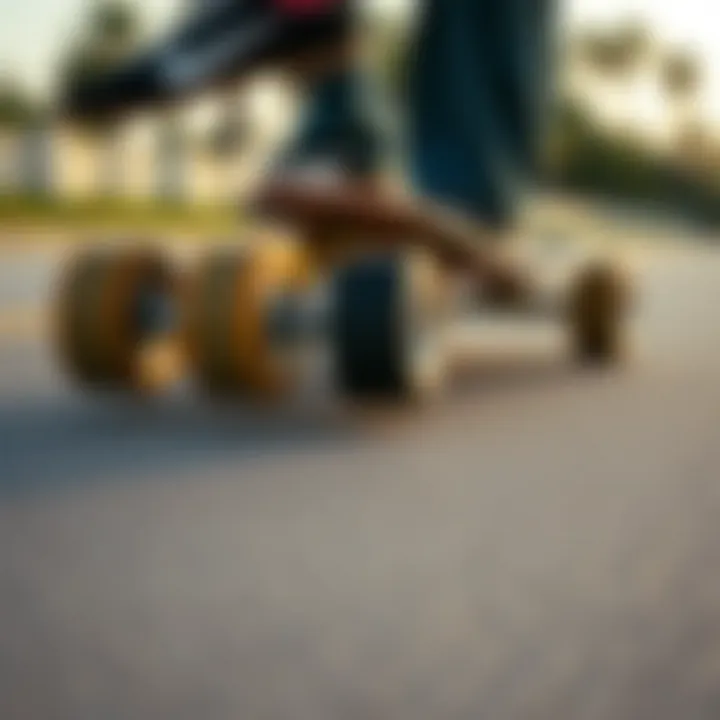
In the quest for becoming eco-conscious longboarders, the materials used in board production stand as a cornerstone. Many companies are opting for sustainable wood sources, bamboo, or recycled plastics, leading to products that’re less harming to ecosystems.
One significant aspect of eco-friendly materials is that they reduce dependence on non-renewable resources. For instance, bamboo growth is remarkably swift, allowing for a continuous supply without negatively impacting forests.
These materials not only serve the environmental purpose but also generally offer decent flexibility and strength, making them appealing for cruisers. However, it’s vital to scrutinize that some eco-friendly options may come with a higher price tag, making the balance between budget and sustainability a consideration for some riders.
Reducing Carbon Footprint
Reducing the carbon footprint goes hand in hand with the emphasis on eco-friendly practices in longboarding. One key characteristic here is the promotion of local manufacturing and sourcing materials close to where the boards are sold. This geographical connection minimizes shipping emissions, cutting down greenhouse gases resulting from transportation.
Moreover, fostering community involvement in sustainable practices can engender pride and responsibility among the longboard community. Longboarders might also consider using different commuting methods, like biking or walking to their favorite cruising spots instead of driving, further shrinking that carbon footprint. However, the challenge remains that some might continue to prioritize convenience over sustainability, which can hamper long-term environmental efforts.
Longboarding and Ocean Health
The relationship between longboarding and ocean health cannot be overstated. Frequenting seaside areas means that longboarders often have a front-row seat to the beauty and fragility of marine ecosystems. It’s essential for surfers to recognize their influence and responsibility in conserving oceanic habitats.
To illustrate this point, picking up beach litter during cruising sessions not only nurtures community spirit but also plays a direct role in safeguarding marine life. Shoreline clean-ups organized by local longboard communities can heighten awareness about pollution and help in maintaining pristine riding areas.
Encouraging eco-friendly materials in longboard production, as mentioned before, also ties back to this, as reducing plastic usage is central to combating ocean pollution. Thus, longboarders can become advocates for both the sport and the sea, underscoring the necessity for harmonious coexistence between recreation and environmental stewardship.
By marrying the art of longboard cruising with environmental considerations, individuals can enjoy their passion while ensuring the health of our planet for future riders.
The Cultural Impact of Longboarding
Longboarding, an evolution of traditional skateboarding, has taken on a life of its own, intertwining with various elements of culture and lifestyle far beyond just transport or sport. It’s not merely about gliding down a street or along a winding coastal road; it embodies freedom, self-expression, and community spirit. The impact longboarding has made on skate culture and beyond is significant, fostering connections among people and encouraging artistic endeavors that highlight the lifestyle.
Community and Connection
The sense of community built around longboarding is palpable. It’s a welcoming environment where individuals from all walks of life converge over a shared love for cruising. With the growth of social media platforms, these connections have become more pronounced. Enthusiasts share tips, videos, and experiences, creating a virtual meeting ground that mirrors the supportive nature often found in local longboarding groups.
Communities may organize group rides, promoting not just the sport but friendships and a sense of belonging. Longboarders often find camaraderie on social platforms like Reddit and Facebook, where local areas or interests can lead to meet-ups, discussions, and even charity events.
- Increased Inclusivity: Longboarding welcomes individuals regardless of skill level, making it easy for newcomers to join the fray, which in turn cultivates an inclusive atmosphere.
- Supportive Networks: Experienced riders often take on mentorship roles, guiding novices. This encourages personal growth and skill development in a non-intimidating setting.
Influence on Surf Culture
Longboarding holds a unique position within surf culture, characterized by its laid-back vibe and connection to the ocean. The lifestyle influences are felt strongly through eclectic expressions in art, fashion, and music.
Art and Expression
Art plays a major role in reflecting the spirit of longboarding. From deck designs to street art, it provides a canvas for individuals to express unique identities and perspectives. Customizing boards becomes a form of art itself, where riders can showcase individual stories and local culture on the wood beneath their feet. This personal touch on equipment fosters an emotional connection to the sport.
Key characteristics of artistic expression within longboarding include:
- Vibrant Designs: Unique graphics often help define personal styles and can become a conversation starter among riders and non-riders alike.
- Cultural Reflections: Artists often draw inspiration from their environments and histories, providing a glimpse into life experiences through their work.
One clear advantage of prioritizing art and expression in this domain is its power to attract non-riders, increasing interest in longboarding as a varied lifestyle rather than merely a sport.
Longboard Events and Competitions
Longboarding competitions and events offer enthusiasts opportunities to showcase their skills and connect with like-minded individuals. These gatherings don’t just emphasize competition; they often support a culture of creativity and collaboration, enhancing the community component of longboarding.
A notable characteristic of these events is how they blend formal and informal settings. Riders may compete for titles, but the true prize often lies in interaction — sharing experiences and cultivating friendships. Events can range from long-distance races to trick competitions, making them diverse in appeal and accessible to many.
Advantages of these competitions include:
- Platform for Growth: Events inspire riders to refine their techniques while learning from others.
- Showcase for Local Talent: Many competitions highlight emerging talent, often bringing brand visibility to local creators and businesses.
The cultural aspects of longboarding cannot be overstated. It is a movement fueled by connection, creativity, and community — offering more than just a sport but rather a way of life that resonates deeply with individuals passionate about cruising on longboards. By embracing these cultural undercurrents, longboarding becomes a richer experience that enhances both personal journeys and collective identities.
Ending
The culmination of this article underscores the significance of longboard cruising, not only as a recreational activity but as a meaningful expression of culture and connection among a diverse community. Longboard cruising is about more than just gliding on wheels; it embodies concepts of freedom, creativity, and environmental awareness that resonate deeply with surfers, travelers, and outdoor enthusiasts alike.
One of the pivotal elements we explored is the immense variety within longboarding itself—ranging from board selection to the techniques practiced. The ability to choose a longboard tailored to individual preferences speaks volumes about this sport. Being informed about types like drop-through and top-mount boards empowers riders to enhance their cruising experience, making it personal and enjoyable. As we discussed the importance of protective gear, we highlight the need for safety practices to preserve the joy of riding.
Benefits of understanding these elements include increased confidence on the board, better engagement with the community, and a commitment to reinvigorating our environment. With a focus on eco-friendly materials and sustainable practices, longboarders contribute positively to both local landscapes and global discussions on environmental health.
By grasping the techniques and cultural implications we've shared, riders are not just participants in a sport, but ambassadors of a lifestyle that values connection and stewardship of our planet.
Recap of Key Points
- Longboarding is a multifaceted sport with a rich cultural backdrop.
- The choice of board is crucial and should align with personal style and preferences.
- Safety practices, such as wearing protective gear, enhance the cruising experience.
- Environmental consciousness plays an integral role in the longboarding community.
- Longboarding fosters connections among individuals, promoting a sense of belonging in both local and global communities.
Future of Longboard Cruising
Looking ahead, the future of longboard cruising appears to be bright and forward-thinking. As the sport continues to evolve, new trends are emerging that captivate a broader audience.
The integration of technology into longboarding, such as smart longboards equipped with tracking devices or apps that provide cruising trails, is likely to inspire tech-savvy enthusiasts. Moreover, as sustainability becomes a global priority, expect more manufacturers to prioritize eco-friendly materials and practices.
Social media platforms and online communities, including sites like Reddit and Facebook groups, provide avenues for sharing experiences and ideas, further bolstering the sport's growth. As the world becomes more interconnected, longboard cruising is poised to gain traction in diverse locations, leading to the emergence of unique cruising cultures everywhere.
Ultimately, the essence of longboard cruising will remain the same: a dedication to exploring, enjoying, and protecting our surroundings while connecting with fellow riders. The horizon is full of opportunities for new techniques, greater community engagement, and a deeper commitment to environmental stewardship.