Uncovering the Future of Surfing with Motorized Fins
Intro
In the ever-evolving landscape of surfing, the introduction of motorized surf fins marks a pivotal shift. These fins are not just a flashy innovation; they represent a significant leap forward in technology that is changing how surfers engage with the ocean. By embedding propulsion systems directly into the fin design, these devices offer possibilities that traditional surfing gear cannot match. With improvements in maneuverability, speed, and control, the motorized surf fin is quickly becoming a game-changer for both new and seasoned surfers.
The curiosity surrounding motorized surf fins pushes the boundaries of what we thought possible in wave-riding. Surfing has always been about harnessing natural forces; now, with the aid of technology, it takes on a new dimension. Being able to maneuver with enhanced ease while tackling formidable waves opens up a plethora of techniques that were previously unimaginable.
As we explore this fascinating technology, we will break down the specifics of how motorized surf fins work, their advantages over traditional setups, and what they mean for the future of this revered sport. Whether you’re an enthusiastic beginner looking to catch your first wave or an experienced surfer aiming for advanced maneuvers, unraveling the intricacies of motorized surf fins could hold the key to elevating your experience in the water.
Foreword to Motorized Surf Fins
Motorized surf fins are emerging as a transformative element in the world of surfing. They combine traditional surfing dynamics with advanced technology, providing surfers with an innovative way to enhance their experience on the water. The rise of these fins signals not just a shift in surfing equipment, but also a change in how enthusiasts interact with the ocean and each other.
Understanding the importance of motorized surf fins involves delving into why they were developed and the benefits they bring to both novice and seasoned surfers. With speed and maneuverability being pivotal for performance in the waves, these fins are tailored to offer a distinct advantage. They allow surfers to maintain control, easily navigate various conditions, and even catch waves that might have otherwise been too challenging to ride.
Defining the Motorized Surf Fin
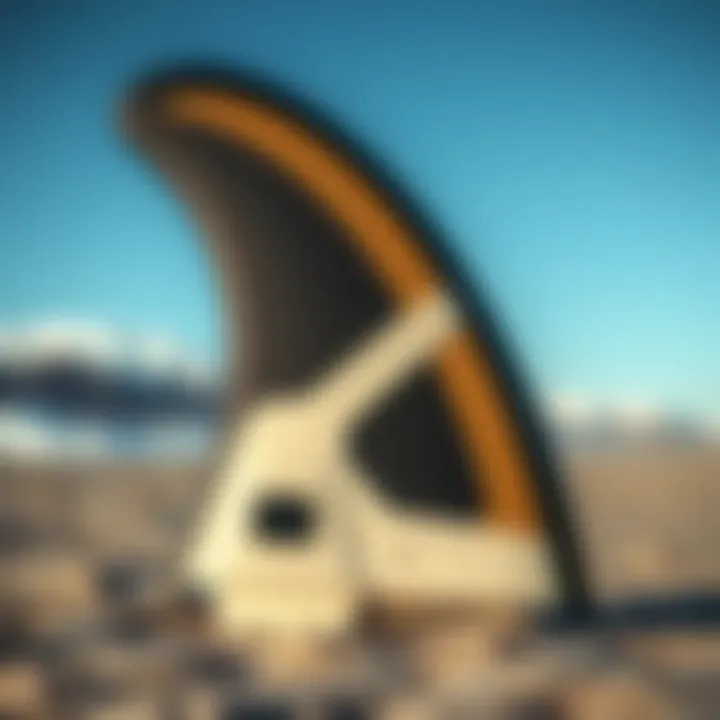
A motorized surf fin is essentially a surfboard fin that has been equipped with a propulsion system. This system can range from small electric motors to more complex setups, including adjustable thrusters. The idea is to supplement the natural motion achieved by paddling, providing an extra push that can increase speed significantly.
While traditional surf fins are designed mainly for steering and stability, motorized variants aim to transform the surfing experience by integrating technological components that enhance glide and performance. This makes them an interesting addition for varying surf styles, be it shortboarding or longboarding.
For example, imagine a surfer who not only wants to ride a wave but also aim to execute some complex tricks. A motorized surf fin can give that extra oomph needed to complete those daring moves, rendering the rider more agile and efficient.
Historical Context
The journey to the modern motorized surf fin can be traced back to the evolution of surf technology itself. Traditional surfboards, dating back to the ancient Polynesians, were elegant in their simplicity. Over time, as surfing grew more popular, so did the need for equipment that could support more daring styles and performances.
The early 2000s marked a considerable shift in surf technology, especially with the advent of lighter materials and improved designs. However, the idea of a motorized fin didn’t really start gaining traction until the past decade, when technological advancements in battery life and miniaturization made it possible. Innovations in electrical engineering have created small, durable motors that can withstand the harsh conditions of ocean conditions without compromising performance.
The first commercially available motorized fins emerged with a bang, drawing a mix of skepticism and curiosity from the surfing community. Traditionalists were wary, fearing it altered the essence of surfing while others welcomed the tech-savvy approach keenly. Despite the debate, a clear trajectory was established, leading to enhanced performance and accessibility in surfing, especially for those unfamiliar with the sport.
As conversations around inclusivity and accessibility in sports evolve, motorized surf fins stand as a testament to how technology can open new doors. For example, they allow those with disabilities or limited physical capabilities to engage more fully in surfing, reshaping the community around the sport.
The Technology Behind Motorized Surf Fins
Understanding the technology behind motorized surf fins brings to light how these innovative pieces of equipment are reshaping the surfing landscape. Unlike traditional fins, which merely act as stabilizers, motorized surf fins integrate mechanics and electronics that fundamentally alter the surfing experience. This section examines the core elements shaping this technology, exploring its benefits and implications for surfers today.
Engine Mechanics
The engine mechanics of motorized surf fins are at the forefront of their transformative potential. Typically, these fins use a compact electric motor capable of generating thrust while maintaining a lightweight profile. This motor is often designed to function similarly to those found in drones, emphasizing efficiency and deliverability in a water-bound environment.
The propulsion system is engineered with precision to deliver just the right amount of power. Surfers can toggle different speed settings, providing a range of options to suit various skill levels and surfing conditions. When the motor kicks in, it can propel the board forward, allowing athletes to catch waves more easily or even execute advanced maneuvers with less effort.
The reliance on a well-constructed engine also raises important questions about longevity and maintenance. As with any mechanical device, wear and tear can take a toll, leading to potential concerns about serviceability down the line. Surf enthusiasts will need to weigh these factors thoughtfully, especially considering that their gear plays a fundamental role in performance.
Battery and Power Systems
Like any technologically advanced apparatus, the battery and power system are crucial. Motorized surf fins typically utilize lithium-ion batteries, well-regarded for their high energy density and lightweight characteristics. This choice of battery enables longer riding time and a more enjoyable experience overall.
Moreover, advancements in battery technology have resulted in rapid charging features—some models can be fully charged in less than an hour, offering surfers minimal downtime on the beach.


However, the environmental impact of battery disposal remains a concern that cannot be overlooked. As more surfers adopt these motorized fins, a conversation around sustainable practices regarding battery management is essential for the future of the sport.
Integration with Surfboards
Integration with surfboards is a pivotal aspect of motorized surf fins that deserves attention. Most modern surfboards designed to accommodate motorized fins have special components embedded to support the mechanics, including housing for the motor and power supplies that don’t compromise the board’s performance.
This integration can also affect the overall weight distribution and buoyancy of the board. Especially for those who are already accustomed to balancing traditional fins, transitioning to motorized ones may require some adjustment. The design aims to ensure stability while navigating through the water without sacrificing maneuverability or control.
Further innovation in this area is likely as manufacturers explore customizable solutions that cater to various surfing styles. Product versatility could pave the way for niche markets targeting specific types of waves, performance styles, or even for extreme surfers looking to experiment with their approach.
"The future of surfing may depend on blending traditional techniques with technological ingenuity."
As we delve further into this guide, it is essential to consider not only the mechanical side of motorized surf fins but also the wider implications they may hold for surfers, cultural perceptions, and the sport itself. Ultimately, grasping the foundational technology is the first step toward appreciating the richer, multifaceted world that motorized surfing embodies.
Advantages of Using Motorized Surf Fins
Motorized surf fins are not just a passing fad; they bring a slew of benefits that can enhance the surfing experience. Understanding these advantages is key for anyone interested in the evolving landscape of surfing equipment. As surfing continues to innovate, these fins could reshape not only how we ride the waves, but also who can participate in the sport. Let’s take a closer look at the specific elements that make motorized surf fins a game-changer.
Enhanced Speed and Maneuverability
One of the standout features of motorized surf fins is the increase in speed and maneuverability they offer. Traditional surfing requires significant skill to paddle out and catch waves effectively. However, with a motorized fin, surfers can significantly reduce the effort needed to reach the lineup or execute sharp turns. This added propulsion means surfers can not only catch more waves but also perform tricks with greater ease. A motorized surf fin negates the sometimes exhausting work of paddling, allowing for a more exhilarating experience.
Consider the possibilities: a surfer with a motorized fin can quickly navigate through choppy waters or reposition themselves for optimal wave placement without tiring. This is especially beneficial in larger surf conditions where positioning can mean the difference between an amazing ride and being left behind. Moreover, the added control allows for tighter turns, letting surfers experience more dynamic movement on the water, elevating their performance.
Accessibility for Beginners
Motorized surf fins can act like a training wheel for those who are still finding their footing in the sport. Surfing can be notoriously challenging, especially for novices who struggle with paddling and balance. The introduction of motorized fins makes the sport more accessible to those who might otherwise shy away from it. With the assistance of a fin, beginners avoid the early frustration of getting tired simply from paddling out. They can focus instead on honing essential techniques such as stance and balance.
As more people gain access to surfing through this technology, there's potential for a broader interest in the sport itself. Imagine a family where the kids, equipped with motorized fins, can join their parents in the water without holding anyone back. This shared experience can foster a love for surfing, expanding the community and culture surrounding it.
Environmental Considerations
While the innovation of motorized surf fins opens new doors, it also raises important questions relating to the environment. Utilizing electrical engines might seem contrary to the eco-friendly image surfing often portrays. Yet, many manufacturers are now focusing on sustainable practices. Many modern motorized fins are designed with energy-efficiency in mind to minimize their carbon footprint.
Moreover, some products are being developed using biodegradable materials, which can help alleviate concerns of pollution in our oceans. The advancement of battery technology also plays a crucial role. As battery efficiency improves, the reliance on non-renewable resources diminishes, positing motorized surf fins as a viable option for environmentally conscious surfers.
In summation, the advantages of motorized surf fins are considerable. They enhance speed and maneuverability, provide newfound accessibility for those new to surfing, and can be aligned with sustainable practices. As this technology evolves, it may very well redefine the surfing landscape for years to come.
Critiques and Concerns
The growing popularity of motorized surf fins brings along a set of concerns that need to be addressed seriously. As this innovation reshapes what it means to ride the waves, both positive and critical voices emerge from the surfing community. Underlining the critiques and concerns regarding these new tools helps to ensure that progress does not come at the cost of safety, tradition, and the core values of the sport.
Safety Issues
Motorized surf fins, while they can significantly enhance performance, also raise substantial safety concerns. The inherent velocity and power of these devices can lead to accidents, especially for individuals who are still learning the ropes of surfing. Many surfers worry about the potential for serious injury, both to themselves and others in the water.
Some key points regarding safety include:
- High Speeds: Riding with a motorized fin can propel surfers to speeds far beyond traditional surfing, making loss of control deadly.
- Collision Risks: When surfing in crowded beaches, the potential for collisions increases. With a motorized fin, a beginner could inadvertently speed toward other surfers or swimmers, creating dangerous scenarios.
- Equipment Malfunction: Any technological device carries the risk of malfunction. An unexpected failure could leave a surfer stranded in the water, helpless and potentially facing perilous situations.
A cautious approach to learning how to use a motorized fin is vital. Proper training and safety guidelines must be established before the widespread adoption of this technology.
Impact on Traditional Surf Culture
As motorized surf fins begin to get foothold, they inevitably challenge the very fabric of traditional surf culture. Surfing, at its core, is about harmony with the ocean and mastery over one's craft. The introduction of powerful motorized devices can feel like a departure from these principles.
Some notable concerns regarding this shift include:
- Purity of the Sport: For many, surfing is more than just catching waves; it represents a way of life. The reliance on technology could dilute the authentic experience, making it feel more like an artificial thrill ride.
- Inclusivity vs. Elitism: The availability of high-tech gear may create a divide within the surfing community. Those who can afford motorized equipment may have an edge over traditional surfers, fostering an air of elitism rather than camaraderie.
- Cultural Identity: Surfing is steeped in rich traditions and identities, particularly among indigenous ocean communities. The evolution of the surfboard to include motorized fins could threaten to overshadow and reshape these important cultural narratives.
"Innovation is not the enemy of tradition. We must find a balance that honors the old while welcoming the new." - A voice from the surf community
User Experiences and Perspectives
The topic of user experiences and perspectives is vital when exploring motorized surf fins, as it provides insights into how these innovations actually function in the real world. Users, whether they are seasoned surfers or newcomers to the sport, give us valuable feedback regarding the practicality, benefits, and challenges of integrating motorized fins into their riding experience. Their narratives reveal not only the performance of this technology but also its impact on individual surfing styles and the broader surf culture.
Feedback from Early Adopters
Early adopters of motorized surf fins often serve as the vanguard of technology transition in surfing. Many enthusiasts have delved into this adventurous facet of surf gear, eager to see if these new-age fins live up to the promise of enhanced speed and maneuverability. Feedback from these users typically reflects a mix of excitement and caution.
For instance, surfers who have been quick to embrace this technology consistently report that motorized fins provide an exhilarating boost. A surfer named Mark, who has been surfing for over ten years, shared that the fin allowed him to catch waves with much greater ease than before. He described it as “like having a jetpack for your surfboard.” However, alongside the thrills, he also mentioned the learning curve involved in mastering control over the fin's power settings. Many users find that adjusting power output can greatly affect the board's responsiveness, which can vary based on the water conditions and personal preference.
Another early user, a rookie surfer named Leah, highlighted accessibility. "I would've given up surfing if it wasn't for the fin, as paddling out was hard for me. Now I feel like I can finally enjoy the sport without fighting against the waves," she noted. This sentiment echoes through various testimonials on forums like Reddit, where beginner and experienced surfers alike find a sense of belonging in this enhanced experience.
"Motorized fins can make waves accessible to everyone, opening doors for those who previously felt sidelined."
Comparative Analysis with Non-Motorized Fins
When comparing motorized surf fins to their non-motorized counterparts, the conversation often shifts towards performance vs. tradition. Motorized fins aim to revolutionize the surfing experience, whereas traditional fins hold a certain nostalgic value for many surfers.
Performance Comparison:
- Speed: Motorized fins tend to deliver unmatched speed. A user can unleash more power as they tackle challenging waves, a distinct edge not every traditional fin can provide.
- Maneuverability: Users assert that motorized fins offer streamlined turns and navigation, an aspect that many surf enthusiasts find beneficial when riding bigger waves. It can be compared to how a well-tuned car performs significantly better than one lacking modern engineering.
- Stability: Traditional fins operate on rider skill; thus, some surfers argue they enhance the connection one has with the board. Motorized fins can, at times, feel detached, presenting a less tactile experience.
Cultural Considerations:
- Purist Views: Some surfers argue against the use of motorized fins, seeing them as a deviation from the essence of surf culture. They value the struggle, the physical effort, and the intimate relationship with the ocean that surfing has traditionally offered.
- Adoption Barriers: Many purists express concerns about how motorized fins might attract newcomers for the wrong reasons, potentially diluting the sport’s integrity. They fear that the reliance on technology could overshadow the more natural, raw aspects of surfing.
Ultimately, the choice between motorized and non-motorized fins is a personal one, often dictated by individual inclination towards innovation versus tradition. Each surfer must weigh the benefits against their values and philosophy about the sport. The dialogue around these fins is likely to evolve as more perspectives come into play, shaping the future of surfing itself.
Current Market Trends
As the realm of surf technology continues to evolve, the trends surrounding motorized surf fins are compelling for both enthusiasts and industry professionals. With innovations reshaping the landscape, understanding these trends is crucial for surfers who wish to stay ahead of the game. The motorized surf fin market is not just about speed and maneuverability; it also touches on accessibility and environmental considerations, igniting conversations about the future of the sport itself.
Popular Models and Brands
In the bustling marketplace of motorized surf fins, a few brands have emerged as frontrunners. Companies like Lift Foils, known for their eFoil technology that combines surfboarding with electric propulsion, have garnered attention. Their fins are engineered not just for thrill but for versatility across various water conditions. Another notable player is the GoFoil, which balances technological advancement with a commitment to sustainability. Here’s a quick look at some highlighted models:
- Lift eFoil: Combines hydrodynamic design with powerful battery systems, allowing riders to skim above waters effortlessly.
- GoFoil: Adapts existing surfboards while offering a lightweight alternative that aims to keep surf culture intact.
- Aero Surf Fin: This brand has gained traction for its emphasis on precision engineering, promising optimal performance for seasoned surfers.


Unpacking what these brands deliver allows potential buyers to consider which product aligns with their surfing style and environmental values.
Pricing Overview
When it comes to cost, motorized surf fins present a range that can cater to varying budgets. Entry-level models can start around $1,500, while more advanced options with sophisticated features and extended battery life can soar to $6,000 or even higher. Factors such as brand reputation, technology integration, and materials used heavily influence these price points.
- Entry-Level Fins: Approx. $1,500 - $2,500. Ideal for newcomers looking to test the waters.
- Mid-Range Fins: Generally between $3,000 - $4,500, suited for the intermediate surfer who wants more features and reliability.
- High-End Options: These can be priced from $5,000 to $6,500, packing in enhanced technology and robust design features.
By weighing these costs against potential benefits—like enhanced performance and increased access to different surf environments—they reveal the investment required to step into this segment of surfing technology. That's especially significant for those who seek an edge in performance or aim to revolutionize their approach to the waves.
Understanding market trends is not just about keeping up with what’s new—it’s about anticipating how these advancements can change your surfing game.
Surf enthusiasts and industry stakeholders must keep their fingers on the pulse, as the trends pave the way for what might be possible in the years to come, enhancing both the experience of surfing and the culture surrounding it.
Future Implications of Motorized Surf Fins
As motorized surf fins carve their niche within the surfing landscape, the discussion around their future implications has never been more vital. Understanding what lies ahead can help users, manufacturers, and regulators navigate an evolving sport. From innovation in technology to potential regulations that could shape how these devices are used, the path forward warrants careful contemplation.
Innovations on the Horizon
Innovations in the realm of motorized surf fins are ongoing and dynamic. Manufacturers are constantly looking for ways to improve performance, enhance user experience and ensure sustainability. One of the most talked-about advancements is the integration of artificial intelligence. Envision a surf fin that learns from the conditions of the water and adjusts its performance accordingly. This technology could optimize speed, balance, and control, providing surfers with a personalized experience tailored to each wave.
Another exciting development is the push for environmentally-friendly power sources. The industry is also exploring solar-powered options that could reduce reliance on traditional batteries, thereby minimizing pollution and enhancing sustainability. There’s also whispers of incorporating smart materials that adapt to water conditions, increasing drag when needed or reducing it when it’s safe to go full throttle.
Moreover, 3D printing technology is paving the way for customization. Surfers might some day be able to design fins that suit their specific styles and performance needs, making the sport even more personalized. The combination of these innovations hints at a future where motorized surf fins become not just tools, but essential extensions of the surfer’s own personality.
Potential Regulations and Standards
With the rise of motorized surf fins, the conversation around regulations and standards has become imperative. As with any technology that alters a traditional practice, questions arise around safety, accessibility, and environmental impact. Surfing organizations and governing bodies are increasingly faced with the task of formulating guidelines that ensure safe operation while promoting fairness in competition.
Currently, there are few regulations explicitly governing motorized fins, but this is likely to change as their popularity grows. Potential restrictions could include limitations on the maximum speed of the fins or weight restrictions for competitive events, ensuring that the essence of surfing is not lost in the race for technology.
Furthermore, environmental considerations could push for regulations mandating eco-friendly technology. The balance between innovation and the preservation of our oceans is crucial.
"As technology evolves, so too must our approach to its regulation. It’s vital we find a harmonious balance that respects tradition while embracing the future."
The potential for standardizing safety features—such as automatic shut-off mechanisms—could also be included in regulations, which might help mitigate risks associated with using powered fins in crowded waters.
As we look to the future, it’s clear that the evolution of motorized surf fins will be marked by technological breakthroughs but also a need for thoughtful governance. Navigating these waters will require collaboration among manufacturers, surfers, and regulatory bodies, ultimately ensuring that the sport retains its integrity while allowing for growth and innovation.
The End
As we wrap our exploration of motorized surf fins, it’s crucial to reflect on the various dimensions this technology introduces to the surfing world. Each facet discussed in this article not only highlights the innovative spirit within the surf community but also points toward the evolving nature of surfing as both a sport and a lifestyle. The importance of motorized surf fins lies in their potential to redefine the riding experience, making it faster and more accessible to a broader audience.
Recap of Key Points
Through this detailed narrative, we delved into the core aspects surrounding motorized surf fins:
- Technological advancements: The mechanics and integration of engine systems into traditional surfboards.
- User experiences: Perspectives from early adopters that illustrate the varied responses to this new technology, indicating both excitement and trepidation.
- Market trends: Insights into popular brands and pricing structures, showcasing the growing acceptance and interest in motorized options.
- Future implications: Speculations on upcoming innovations and potential regulations that could shape the future landscape of surfing.
These points converge to form a comprehensive picture of how motorized surf fins could change the surfing game, challenging long-held traditions while fostering new participation and interest.
Final Thoughts on the Evolution of Surf Technology
Motorized surf fins represent just the tip of the iceberg when it comes to technological contributions to the sport of surfing. As we look ahead, it’s clear that the evolution of surf equipment will continue shaping how surfers interact with their environment, pushing the boundaries of performance, accessibility, and environmental responsibility. Surf culture may very well embrace this shift, blending traditional values with modern advancements.
In considering the implications of this technology, it's vital for surfers to remain engaged in discussions about its impact. Whether as enthusiasts or professionals, the surfing community holds the power to shape the conversation around motorized fins, balancing innovation with the rich heritage of the sport. Only time will tell how these motorized marvels will integrate into the broader surfing landscape, but one thing is certain: the waves of change are upon us.