Discovering Surfing in Panama City: A Complete Guide


Intro
Panama City, Panama, brims with an allure that reaches far beyond its picturesque skyline and vibrant urban life. Nestled between the Pacific Ocean and Panama Canal, this city isn’t just about the hustle and bustle; it’s home to a thriving surfing culture that continues to extract adrenaline from both holidaymakers and locals alike. This guide is your compass, pointing toward the best surf spots, breaking down essential techniques for all skill levels, and immersing you in the rich community that surrounds the sport of surfing in this dynamic locale.
Surfing here is not merely a sport; it’s an experience—one deeply interwoven with the culture and environment. From the sprawling beaches of Playa Venao to the more secluded breaks of Santa Catalina, each wave carries its own rhythm and personality. The essence of this guide is to offer you, whether you are picking up a board for the first time or fine-tuning advanced maneuvers, the insight needed to navigate this aquatic paradise.
Given its unique location, various surf spots around the city cater to different skill levels, each with its seasonality and charm. Beyond just catching waves, this place embodies a lifestyle that embraces camaraderie among surfers, conservation efforts for the coastal ecosystem, and respect for local customs. As we delve into the intricacies of surfing in Panama City, be prepared not only to master the waves but also to appreciate the broader narrative that each ride contributes to.
Let’s paddle into the core of this guide.
Surfing Techniques
Beginner Tips for Getting Started
For those just getting their feet wet in the world of surfing, it’s crucial to understand a few key principles. Here are some straightforward tips to help you catch your first wave:
- Choose the Right Conditions: Start off with smaller waves. Look for days when the surf is mild, ideally with a swell that’s no higher than waist level.
- Get the Gear: Renting a soft-top longboard is advisable for beginners. It’s stability and buoyancy will help you stay afloat as you practice.
- Practice Paddling: Before attempting to stand up, make sure you can paddle effectively. This will assist not only in catching waves but also in navigating back to the lineup.
- Learn to Pop Up: When the wave comes, practice popping up—this means finding your balance from lying down to standing up quickly. It’s about positioning and timing, and it may take some trial and error.
Advanced Maneuvers and Tricks
Once you’ve mastered the basics, the next step is to explore advanced techniques that can elevate your surfing. Consider these maneuvers:
- Cutbacks: This is when you turn back towards the breaking wave after riding away from it, allowing you to maintain momentum.
- Airs: Catching air involves launching off the lip of the wave and landing back onto it smoothly. This requires practice to gauge the timing and height right.
- Bottom Turns: A strong bottom turn is essential for setting yourself up for powerful maneuvers, enabling maximum speed and direction change.
Surfboard Selection
Choosing the Right Board for Your Style
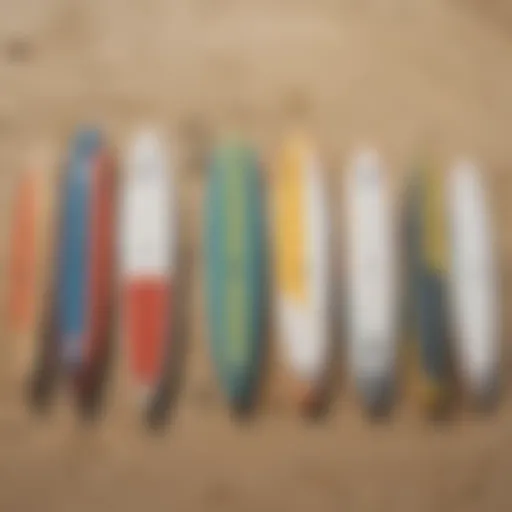
Selecting a surfboard is akin to picking the right tool for a job—it greatly impacts performance. Here’s how to make the right choice:
- Identify Your Skill Level: Beginners might want a wider, longer board for stability, while experienced surfers may prefer a shorter, more agile board.
- Consider Wave Type: Different boards perform better in specific conditions. For instance, fish boards suit small, mushy waves while shortboards excel in steep, powerful surf.
- Personal Preference: Try multiple boards if you can. Sometimes your best ride will be a board that just feels right under your feet.
Surfboard Maintenance and Care
Taking care of your surfboard is key to ensuring longevity and peak performance:
- Rinse After Use: Always rinse your board with fresh water to remove salt and sand.
- Check for Damage: Regularly inspect for dings or scratches, as even minor damage can affect the board's performance.
- Store Properly: Keeping your board out of direct sunlight and in a padded bag can prevent warping and UV damage.
"Your surfboard is your first partner on the waves; take care of it, and it will take care of you."
The importance of understanding the dynamics of surfing goes well beyond just knowing how to surf. Equally, being part of the local surf community nourishes the spirit of camaraderie and respect for the ocean’s wealth—a feeling that anyone who hangs ten in Panama City will undoubtedly appreciate. With this foundation laid, you can dive deeper into the vibrant surf culture, explore the community, and appreciate how surfing serves as both a personal challenge and a shared journey.
Stay tuned for the next section, where we will explore the ideal surf spots Panama City has to offer.
Intro to Panama City Surfing
Surfing in Panama City is not just a sport; it’s an expression of the coastal lifestyle that melds perfectly with the vibrant culture of this Central American nation. Situated where the Atlantic meets the Pacific, Panama boasts several beaches that offer a variety of waves suitable for every level of surfers, from the curious novice to the seasoned pro.
The essence of surfing here lies in the blend of natural beauty, dynamic surf conditions, and the friendly, laid-back vibe of the local community. Surfers flock to Panama City for experiences that go beyond catching waves—it's about connecting with nature, meeting like-minded individuals, and growing through the challenges of the ocean.
The Geography of Panama City
The geographical layout of Panama City plays a crucial role in shaping its surfing ecosystem. The unique isthmus position creates distinct microclimates and diverse coastal formations. With Pacific coast beaches like Playa Venao and Punta Chame, each spot presents its own character. The juxtaposition of urban and natural settings means that you can surf in the morning and sip a fresh coconut by the afternoon.
Panama’s coastline is dotted with both bustling beaches and hidden gems that require a bit of exploration to find. This ensures a range of surf experiences from crowded breaks to tranquil, often less-traveled spots. Additionally, the city's surroundings are rich with lush forests and hills, offering stunning backdrops that elevate the surfing experience beyond just the water.
Climate Influence on Surf Conditions
Climate conditions in Panama City serve as a decisive element in when and how surfers can enjoy the waves. The tropical climate here means warm waters, but the surf can vary greatly based on time of year, influenced by both local weather patterns and swell from distant storms.
The best time to catch solid waves typically falls during the rainy season, from May to November. During this period, the Pacific side can see consistent swells, attracting surfers eager for both powerful rides and the thrill of a challenge. The warm temperatures also mean that surfers do not have to worry about heavy wetsuits; often, a rash guard and board shorts will suffice.


Panama surfing is not just about the act; it's about embodying a lifestyle that embraces adventure, the ocean, and the beauty of the unpredictable nature of the waves.
Being aware of the local climate patterns can also aid in choosing the right time to surf and what to expect. Wind direction, tides, and the severity of storms play into creating optimal surfing conditions. Whether you're plucking up the courage to try for the first time or looking for your next adrenaline fix, understanding how these elements interact will greatly enhance your surfing experience in Panama City.
Popular Surf Spots in Panama City
When it comes to catching the perfect wave, choosing the right surf spot can make all the difference. Surfing in Panama City offers a mix of scenic beauty and thrilling waves, attracting both novice surfers and experienced veterans alike. Each beach possesses its unique charm and set of conditions, making them essential to a comprehensive surfing experience in this vibrant locale.
Playa Venao
Playa Venao, located a bit off the beaten path, is a head-turning spot that embodies everything good about surfing in Panama. This beach, stretching over two kilometers, is famous for its consistent waves that cater to various skill levels. Particularly during the dry season, surfers can expect swells that tantalize the senses.
For those looking to dive into surfing, Playa Venao offers ample surf schools where beginners can take lessons from local pros who understand the tides and winds like the back of their hands.
The atmosphere here is typically laid-back, making it a haven for surfers eager to enjoy a day on the water after soaking up some sun on the shore. It's also worth noting its stunning sunsets, which are frankly unmatched, providing the perfect backdrop after an exhilarating surf session.
Santa Catalina
Santa Catalina is not just any surf spot; it’s known as a pilgrimage site for dedicated surfers. The town exudes a rustic charm, and its waves are as appealing as a siren's call for both professionals and avid enthusiasts. This location provides a more challenging environment, with waves that can reach considerable heights, particularly during the wet season.
Here, the famous "La Punta" break stands out, known for its powerful waves that resonate with advanced surfers. There's also an easy-going vibe that invites lots of camaraderie among surfers, making it a community hub.
Santa Catalina is also the gateway to several nearby islands, adding a dash of adventure for those willing to explore. Besides surfing, the area has snorkeling and diving opportunities that make it a dual-threat destination for lovers of water sports.
Punta Chame
Punta Chame might have a smaller reputation compared to its counterparts, but it certainly packs a punch when it comes to its surf scene. Not only is it ideal for surfing, it’s also a popular destination for kite surfing, particularly when the winds are favorable. The long stretch of sand beach allows for different types of breaks, ensuring that surfers can find a wave that suits their style.
For beginners, Punta Chame provides manageable waves that make it a safer environment to learn the ropes without feeling overwhelmed. There are also several local rentals and surfing schools nearby, making it super convenient for travelers.
The location is a short drive from the city, making it an accessible retreat for urban surfers looking for a quick escape without straying too far.
"No matter your skill level, Panama City has surf spots that cater to every wave-seeker’s desire."
Whether you're leaning toward the bustling vibe of Santa Catalina or the tranquility of Playa Venao, each surf spot in Panama City enriches your surfing journey, offering not just waves, but a glimpse into the culture that surrounds them.
Surfing Conditions and Best Times to Visit
Surfing conditions and the best times to visit Panama City are crucial for any surfer looking to make the most of their experience. Understanding these elements not only enhances the enjoyment of the sport but also ensures safety on the waves. Different surf spots have unique characteristics influenced by tides, winds, and seasonal changes. Grasping this complex interplay can significantly elevate one's surfing adventures in this vibrant locale.
Wave Sizes and Types
In Panama City, waves vary dramatically across different surf spots, influenced by location and the time of year. On certain days, surfers can find mellow, rolling waves perfect for beginners, while on others, the swells can reach heights that challenge even the most experienced riders.
- Small Waves (1-3 feet): Ideal for beginners or longboard enthusiasts.
- Medium Waves (3-6 feet): Suitable for intermediate surfers looking to practice their skills.
- Large Waves (6+ feet): Reserved for advanced surfers ready to confront powerful conditions.
Locations like Playa Venao deliver diverse wave types—alluring for varied experience levels. Recognizing whether you’re surfing at a beach break or point break can also affect strategy and style.
Understanding Seasonality
The surfing season in Panama is a tale of two halves, each with its own unique offerings. The warm waters and favorable winds make surfing possible year-round, but knowing when to surf is vital for optimal experiences.
- Dry Season (December to April): Typically features smaller, cleaner waves, making it a fantastic option for beginners. On the flip side, experienced surfers might find the conditions less thrilling.
- Wet Season (May to November): Brings in larger swells and stormier conditions, providing advanced surfers with more challenging rides. However, the unpredictable nature of weather during this time requires surfers to remain vigilant.
Monthly Breakdown of Best Surfing Months
If you look to maximize your time in the water, being strategic about when to go can be a game changer. Here’s a closer look at what each month brings:
- December: Kickoff the season with consistent swells; a magical time for early arrivals.
- January: Usually offers solid waves and good winds; peak surfing experience.
- February to March: Consistent conditions cater to mixed skill levels, often with large swells rolling in as the season matures.
- April: Marked by warmer weather and lesser crowds, perfect for relaxed surfing.
- May: Transition month as the wet season kicks in; expect larger swells.
- June to August: The heart of the wet season; experienced surfers can enjoy powerful waves, but patience is key—weather affect surf conditions significantly.
- September to November: As the wet season wanes, surf lovers will find a mix of sizable swells and quieter beaches.
Key Insight: Knowing the history of wave patterns can be just as important as having the right gear. Surfers should consult local guides and weather forecasts for a more nuanced prediction of conditions.
In summary, understanding the waves' sizes, types, and seasonal dynamics transforms how a surfer navigates their experience in Panama City. This knowledge not only helps in choosing the best spots to visit but also aligns with individual skills and goals—ultimately lighting the way to fulfilling surf sessions.


Essential Surf Equipment for Panama
When it comes to surfing in Panama City, having the right gear can make a significant difference in both comfort and performance. While the thrill of catching a wave is alluring, it’s essential to be well-prepared to ensure safety, enjoyment, and the best possible experience on the water. This section will delve into the key components of essential surf equipment, exploring how each element contributes to your overall success while navigating the beautiful waves of Panama.
Choosing the Right Surfboard
Selecting the right surfboard is like picking a trusty steed; it needs to suit your skill level, surfing style, and the specific conditions of the beaches in Panama. There are a few key types of surfboards that one might consider:
- Shortboards: Ideal for experienced surfers looking for speed and maneuverability in larger waves. The typical length ranges from 5'2" to 6'4".
- Longboards: Perfect for beginners or those who prefer a slower, more relaxed ride. Longboards are generally 9 feet or longer and allow for smoother paddling.
- Fish boards: A hybrid, great for smaller waves while offering some of the agility of a shortboard.
It’s essential to take note of the wave types you’ll encounter while surfing in the area, as this can impact your choice. A board that's too big or small for the conditions can make the difference between a thrilling ride or a frustrating experience. Make sure to demo boards where you can — getting a feel for the different shapes can guide your decision.
Wetsuits and Weather Considerations
While Panama boasts warm waters that may tempt one to forego a wetsuit, certain times of the year see cooler ocean temperatures, especially during early mornings or late evenings. Therefore, understanding local weather patterns is crucial. Here are some things to keep in mind:
- Thickness: For Panama, a wetsuit of 2mm to 3mm is usually enough during cooler months.
- Full or Spring Suit: A full-length wetsuit keeps you warmer, while a spring suit (short sleeves and legs) provides coverage without overheating on sunny days.
- Rash Guards: These can also protect against sunburn, should you choose not to wear a wetsuit.
Ultimately, wearing the right wetsuit enables those long sessions, ensuring you’re not cut short by chills or discomfort. If you're not sure about sizes or styles, many local shops ahve rental options or experienced staff who can help.
Accessories: Leashes and Wax
Accessories might seem like the afterthought of surfing gear, but they are critical for safety and performance. Two of the most vital accessories are leashes and wax:
- Leash: A reliable leash keeps your board tethered to you, preventing it from drifting away when you wipe out. This is crucial, especially in crowded surf spots. Look for a leash that’s suited to your board size — longer boards require longer leashes.
- Wax: Maintaining grip on your board is paramount, so adequate surf wax is a must. Depending on the water temperature, you should choose between warm, tropical, or cold water wax. The right wax ensures that when you pop up to catch a wave, you won’t find yourself slipping off.
With these accessories, you enhance not only your performance but also your safety out on those roaring waves. In a place as dynamic as Panama, any added security can help mitigate the risks involved in an adventurous sport like surfing.
Remember: Proper equipment is more than just a safety measure; it’s the difference between enjoying your surf adventure and wrapping it up early.
Local Surfing Culture and Community
In Panama City, surfing is much more than just a sport. It's woven into the fabric of everyday life, shaping social interactions, local pride, and even environmental stewardship. For surfers, whether they are locals or visitors, being part of this vibrant culture can transform their experience onto the waves into something more meaningful.
Surf Schools and Instruction
One of the most attractive features of Panama's surf scene is the abundance of surf schools that cater to all skill levels. Places like Surf House Panama and Bocas Surf School welcome those who are new to the sport, providing professional instructors who know the ins and outs of the local waters.
These schools not only offer lessons on how to ride waves but also engage their students with the local surf culture. Surfers learn about the ocean’s dynamics, safety practices, and sometimes even the history behind the sport in Panama.
It's common to see groups of students laughing as they battle their first waves, often forming friendships that extend beyond the beach. Joining a surf school can be a gateway to becoming part of the local community and understanding its values.
Local Events and Competitions
Panama City regularly hosts surf competitions that attract both local talent and international participants. Events like the Panama Surf Pro showcase some serious skills, providing thrilling entertainment for spectators. These competitions are not just about winning; they cultivate camaraderie among surfers.
- Community Vibe: Local events help nurture a sense of belonging and community. Surfers often gather to cheer on friends or to meet new faces from different backgrounds.
- Sustainability Focus: Many events incorporate eco-friendly practices, such as beach clean-ups that coincide with surf contests, highlighting the surfers' commitment to protecting the beautiful coastlines that they cherish.
"Surfing is like a way of life here. It connects us with nature and each other. It's about the waves, the community, and what we can do to protect both." — Local Surfer
The Role of Surfing in Panamanian Identity
Surfing embodies a unique aspect of the Panamanian identity. For many locals, it represents not only leisure but also resilience and freedom. The connection surfers feel with the ocean is profound; it’s a shared passion that bridges generational gaps and social classes.
- Cultural Exchange: Many Panamanian surfers interact with international visitors, bringing cultural exchanges that enrich their local surfing community. This shared enthusiasm fosters an atmosphere of inclusivity.
- Economic Impact: Surfing also contributes to the local economy, with surf tourism pumping life into local businesses like shops, restaurants, and hotels. This economic pulse helps to preserve the unique culture and traditions that surround surfing.
- Environmental Advocacy: A growing number of Panamanian surfers are becoming environmental advocates, educating the community about sustainable practices. They see the ocean as a living entity deserving of protection, turning surfing into a platform for awareness and conservation.
In essence, the surfing culture in Panama City stands as a vibrant tapestry of personalities, ocean lovers, and dedicated activists. With each wave, surfers are not just connecting with the water; they are carrying forward a rich local heritage, cementing their place within a community that genuinely values the ocean, its challenges, and its wonders.
Whether you're a newbie or a seasoned pro, embracing this culture adds a whole new layer to the experience of surfing in Panama City.
Environmental Considerations
When we talk about surfing in Panama City, it’s not just about the thrill of riding waves. The waters and beaches are precious ecosystems that require our attention and respect. Surfers and beachgoers alike need to think about how our activities affect these environments. Understanding and caring for the ocean translates into better surf conditions, healthier marine life, and a sustainable surfing culture.


Ocean Conservation Efforts
In Panama, conservation is not merely a buzzword; it's a way of life for many. The country prides itself on its rich biodiversity, with its waters hosting an array of marine species. Local organizations like Fundación MarViva work tirelessly to advocate for sustainable practices. This foundation engages the community in activities such as beach clean-ups and educational programs, focusing on the importance of keeping beaches pristine.
Moreover, initiatives aimed at preserving coral reefs are vital. Coral reefs play an essential role in supporting marine life. The health of the reefs directly affects the quality of waves surfers ride. From local fishermen to surfers, everyone benefits from healthy ocean ecosystems. To support these efforts, surfers can get involved.
"Every little action counts, and a cleaner ocean is not just a dream; it’s a responsibility we all share."
Sustainable Surfing Practices
As the surfing community grows, so does the call for sustainable practices. Choosing eco-friendly boards made from sustainable materials is becoming a norm rather than just a trend. Companies like Firewire Surfboards and Greenlight Surf Supply offer boards that minimize environmental impact while still delivering performance.
Additionally, being mindful of waste is crucial. Bring reusable water bottles or bags to the beach and avoid single-use plastics. When navigating the water, respect the local wildlife by keeping a safe distance from marine creatures. Simple shifts in behavior can pave the way for a much healthier marine environment.
In summary, the relationship between surfing and the environment is symbiotic. The healthier our oceans, the better waves we catch. It’s up to each surfer to play their part in protecting these vital ecosystems while enjoying the exhilarating sport they love.
Travel Tips for Surfers in Panama City
Heading to Panama City for surf means more than just packing your board and swimsuit. It’s about immersing yourself in a different culture while enjoying the thrill of the waves. Understanding the ins and outs of travel here can make or break your surfing experience, ensuring not only that you hit the best spots but also that your comfort and safety are prioritized. Here are some essential travel tips for surfers looking to ride the waves in the vibrant capital of Panama.
Getting to Panama City
Panama City is well-connected, making it accessible for surfers from around the globe. The main gateway is Tocumen International Airport (PTY), which has flights from major cities worldwide. Once you land, several options are available for getting into the city. You can snag a taxi, book an airport shuttle, or even opt for a ride-share service, which is popular among travelers.
For those on a budget, public transportation is a viable alternative. The bus system is efficient, and while it might take longer, it’s a cost-effective way to travel.
- Tip: Make sure to have some cash in smaller denominations, as many local vendors and services may not accept credit cards.
Accommodations near Surf Spots
Finding the right place to stay is crucial for your surf adventure. Panama City boasts a spectrum of accommodations, from luxury hotels to cozy hostels. If you're keen on being close to the waves, consider areas like Casco Viejo or Marbella, which have a variety of lodging options catering to surfers.
Choosing an accommodation that offers easy access to surf schools and board rentals can enhance your experience. Some recommendations for the surfer-friendly stays include hostels like Selina or boutique hotels that cater specifically to surfers.
- Pros of Staying Near the Beach:
- Shorter travel time to surf spots
- Convenient access to surf gear rentals
- Local eateries and shops nearby
Safety Considerations for Travelers
While Panama City is generally safe, it’s important to stay aware of your surroundings. Like any bustling city, petty crime can occur, so exercising standard precautions is wise. The following safety tips can be helpful for your trip:
- Stay alert in crowded areas and avoid showing off valuables.
- Avoid walking alone at night in less populated areas.
- Be cautious with unfamiliar beach conditions; always check local surf reports and heed warnings from lifeguards.
- Keep your surfing equipment secured when not in use.
Always trust your instincts. If something doesn’t feel right, it’s best to steer clear of that situation.
Adopting these travel tips will not only enhance your surfing experience in Panama City but also allow you to savor the rich culture and stunning natural scenery that makes this locale so special. Plus, being prepared helps you focus on what really matters: riding those iconic waves.
End: The Future of Surfing in Panama City
As the tides of change swirl around the global surfing community, Panama City stands poised at a unique crossroads, where local culture and environmental consciousness meet the thrill of catching waves. Understanding the future of surfing in this vibrant coastal city involves unraveling not just the nuances of wave patterns, but also the community aspects, economic implications, and escalating eco-consciousness that dictate this sport’s trajectory.
Evolving Surf Conditions
In the coming years, surfers in Panama City can expect to witness significant shifts in the oceanic environment that will influence surfing conditions. Climate change—an ever-looming concern—is beginning to make its presence felt here too. With rising sea temperatures, we could expect alterations in wave quality, swell strengths and frequencies. For instance, some surfers have notably observed that peak seasons have become a bit unpredictable, sometimes throwing a curveball with flatter days during previously reliable months. This unpredictability can disrupt not just local surfers but also those who travel to enjoy the waves.
In turn, this shift necessitates a growing adaptability among surfers, both in terms of skill development and gear choice. Getting in sync with the ocean's new rhythms may involve developing new techniques to master increasingly fickle surf patterns. Moreover, there’s a budding interest in alternative surfing styles and equipment, which emphasizes sustainability, such as surfboards made from more biodegradable materials.
The Impact of Global Trends
Global surf culture is also filtering into local norms, reshaping how surfing in Panama City is perceived and practiced. As international surfing competitions gain traction, the local scene is starting to flourish as a hotspot for talent and innovation. Surfers here have begun to embrace diverse techniques from various parts of the globe, integrating them into their unique style.
Additionally, the health of coral reefs and local marine life has become a front-burner issue among Panamanian surfers. The trend toward sustainable practices is rippling across borders; surfers worldwide are pushing for eco-friendly policies that protect oceanic environments. In Panama, surfers have been at the forefront of conservation efforts, rallying for more marine reserves and protection for vital aquatic ecosystems. This trend not only aims to secure the future of surfing but rallies for a healthier planet overall.
In summary, the future of surfing in Panama City predicts a tapestry woven with challenges and opportunities, balancing the thrill of the sport against the realities of environmental stewardship. Surfers, both local and visiting, play an ever-important role in why Panama remains a cherished surfing destination, riding the waves of change while protecting their oceanic playground for generations to come.
"Surfing is not just a sport; it’s a lifestyle that intertwines adventure with a duty to protect the natural world."
As surfers, embracing this evolution might well mean packing a bit more than just your board for the waves ahead. Gear up for sustainability, adaptability, and a commitment to nurturing the ocean that gives so much to countless riders.